



Gastric Bypass Surgery
Gastric bypass offers rapid and lasting weight loss, leading to significant health improvements. By undergoing this surgery, you take a crucial step toward transforming your life and achieving better overall well-being. Embrace a healthier future today!
What is a gastric bypass?
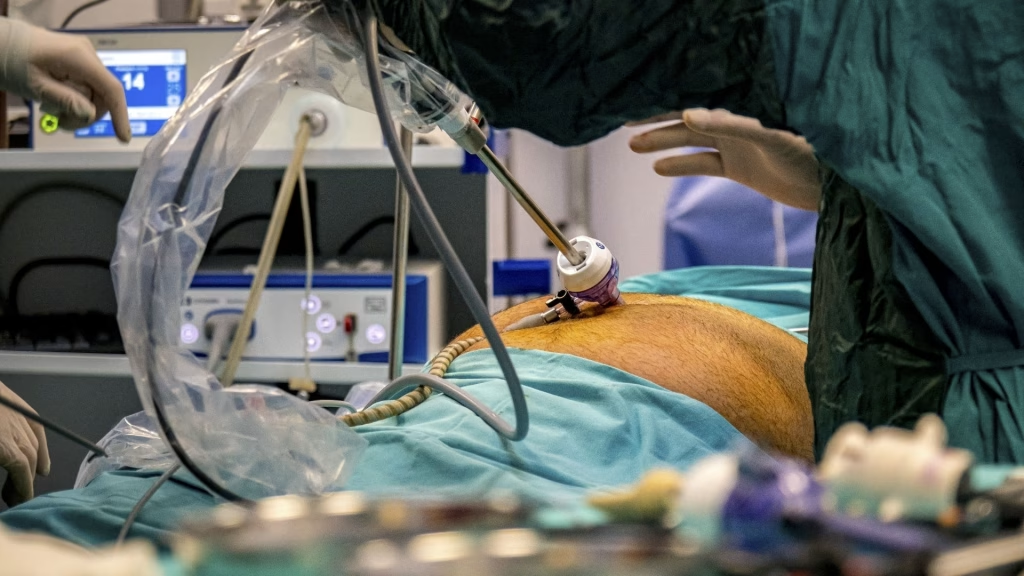
Roux-en-Y Gastric Bypass (RYGB) is a well-established bariatric surgery designed to treat obesity and help patients achieve significant, lasting weight loss. This procedure works by both limiting the amount of food the stomach can hold and by rerouting the digestive system to reduce the absorption of calories and nutrients. During the surgery, a small stomach pouch (15-30ml) is created, which is connected directly to the small intestine. This limits food intake and encourages rapid weight loss. The procedure is performed laparoscopically, which minimizes recovery time compared to traditional open surgery.
The long-term benefits of RYGB extend beyond just weight loss. Many patients experience improvements in obesity-related conditions, including type 2 diabetes, hypertension, sleep apnea, and joint pain. Additionally, the surgery can enhance overall mobility, improve mental health, and contribute to a better quality of life.
Despite the numerous advantages, RYGB is not without its risks. The surgery is complex and requires significant lifestyle changes post-operation. Success largely depends on the patient’s commitment to a healthier lifestyle, including a balanced diet, regular physical activity, and adherence to follow-up care.
While the procedure was the most common form of weight loss surgery in the early 2000s, its popularity has diminished somewhat with the development of newer techniques that are less invasive and reduce absorption issues. Nonetheless, Roux-en-Y remains one of the most effective and reliable bariatric surgeries, particularly in Europe. Patients considering RYGB should consult with experienced bariatric surgeons who can provide personalized recommendations and guidance based on individual health conditions.
How is Rny-Gastric Bypass Surgery Performed?
Bariatric surgery involves dividing the stomach into two sections, with one part being quite small. This small section is connected to a segment of the small intestine, typically 50-70 cm from the beginning. Additionally, the two sections of the intestines are reconnected, allowing bile and pancreatic secretions to reach the remaining part of the small intestine (100-150 cm beyond the connection). This procedure is done laparoscopically, minimizing recovery time and ensuring the process is as efficient as possible for the patient’s weight loss journey.
Basic Stages of Surgery:
In bariatric surgery, the procedure involves dividing the stomach into two distinct sections. One of these sections is significantly smaller than the original stomach, restricting the amount of food the patient can consume.
This smaller section is then connected to a part of the small intestine, typically around 50-70 cm from its starting point. The surgery also includes reconnecting the intestines in such a way that bile and pancreatic secretions flow directly into the intestines.
These digestive fluids are introduced to a region that is located 100-150 cm further along the digestive tract, beyond the new connection, helping to facilitate digestion while reducing the absorption of nutrients. This modification results in a reduced capacity for food intake and limits nutrient absorption, contributing to weight loss and improved health outcomes for patients.
Long Term Effects:
Bariatric surgery facilitates long-term weight loss by reducing both food intake and the body’s ability to absorb calories. This leads to a sustained reduction in body weight over time.
In addition to aiding weight loss, the procedure also provides significant metabolic benefits, including the improvement or even resolution of obesity-related health conditions, such as type 2 diabetes, high blood pressure, and sleep apnea.
These improvements contribute not only to better physical health but also enhance the overall quality of life for patients.
Who Can Have Gastric Bypass Surgery?
Gastric bypass surgery is considered for individuals who meet specific medical and clinical criteria:
Age Range: Typically for individuals between 18 and 65 years of age. In select cases, those under 18 or over 65 may also qualify, pending approval by a medical board.
Body Mass Index (BMI):
A BMI over 35 qualifies a patient for surgery.
Individuals with a BMI between 30–35 may also be eligible if they suffer from weight-related conditions such as type 2 diabetes, hypertension, high cholesterol, obstructive sleep apnea, heart failure, or metabolic syndrome.
Unsuccessful Weight Loss Attempts: Patients who have not achieved sufficient results through diet, exercise, or medical treatment may be suitable candidates.
Surgical Readiness: Candidates must be physically fit for surgery and anesthesia, and mentally prepared for the lifestyle changes required after surgery.
This surgical option is recommended only after a thorough evaluation by a multidisciplinary team to ensure it aligns with the patient’s health goals and long-term wellbeing.
How long does gastric bypass surgery take to lose weight?
Among bariatric procedures, gastric bypass and sleeve gastrectomy typically result in the most rapid weight loss. The most significant reduction in weight generally occurs within the first 6 months following surgery. However, the weight loss journey continues for up to 12–18 months, during which patients gradually approach their target weight and experience stabilization. Throughout this period, ongoing medical support and lifestyle guidance are essential. For detailed information tailored to your needs, we encourage you to consult with our expert bariatric team.
How long does gastric bypass surgery take
Gastric bypass surgery typically takes between 1.5 to 2 hours to complete. After the procedure, most patients remain in the hospital for 1 to 2 days for close monitoring. Full recovery varies by individual, but patients generally resume normal activities within 2 to 4 weeks. During this period, a structured and progressive nutrition plan is followed to support healing and help the body adapt to its new digestive system. Strict adherence to medical and dietary guidelines is key to ensuring long-term success and overall well-being.
Who cannot have gastric bypass surgery?
While gastric bypass and other metabolic surgeries can be life-changing for many individuals struggling with obesity, they are not suitable for everyone. Certain medical, psychological, or lifestyle conditions may prevent someone from being a candidate for these procedures. Surgery is generally not recommended in the following cases:
Severe and Untreated Psychiatric Disorders: Conditions such as schizophrenia or major depression that are not under medical control may impair a patient’s ability to comply with postoperative care.
Substance Abuse: Active drug or alcohol addiction can significantly hinder recovery and long-term lifestyle change.
Severe Hormonal Imbalances: Conditions like untreated hypothyroidism or Cushing’s syndrome must be managed before surgery is considered.
Inability or Refusal to Commit to Lifestyle Changes: Long-term success depends on dietary modifications, physical activity, and medical follow-up. Patients who are unwilling or unable to make these changes are not good candidates.
Medical Conditions Prohibiting Anesthesia: Serious heart or lung diseases may pose high surgical risks.
Active Cancer Diagnosis: Weight loss surgery is not appropriate for individuals undergoing cancer treatment.
Pregnancy Planning Within One Year: Women planning to conceive within 12 months after surgery are advised to postpone the procedure, as rapid weight loss may negatively impact pregnancy.
These criteria are designed to ensure patient safety and maximize the likelihood of successful outcomes. Anyone with these conditions should consult with a multidisciplinary bariatric team to explore alternative treatments or determine whether they may become eligible in the future through medical or behavioral interventions.
Is gastric bypass surgery safe?
Gastric bypass surgery is widely regarded as a safe and effective procedure for weight loss, particularly when performed laparoscopically by experienced surgeons. Although all surgical procedures carry some level of risk, gastric bypass is generally classified as a low-to-moderate risk operation. Advances in minimally invasive techniques have significantly reduced complication rates, and with proper patient selection, preoperative assessment, and postoperative care, the overall safety profile is favorable. As with any surgery, individual factors such as existing health conditions and adherence to medical guidance play a crucial role in outcomes.
How much does gastric bypass cost
Gastric bypass surgery is one of the most commonly chosen and effective bariatric procedures for treating obesity. By altering the structure of the stomach and small intestine, it helps patients achieve significant and sustained weight loss. The overall cost of the surgery can vary depending on the clinic, surgeon expertise, hospital stay, and the specific needs of the patient. For a personalized cost assessment and to explore options that best fit your health and financial situation, we recommend reaching out to our team for a detailed consultation.
Frequently asked questions about gastric bypass
Can you lead a normal life after gastric bypass?
Gastric bypass, also known as Roux-en-Y, is a weight loss surgery that can help individuals achieve significant weight loss. While it’s possible to live a normal life after the procedure, maintaining a good quality of life requires careful attention to diet and lifestyle. Incorporating regular exercise and a balanced diet are key alternatives to ensure long-term success and overall well-being.
How painful is gastric bypass?
Gastric bypass surgery can lead to some discomfort, particularly around the incision areas. However, your doctor will provide pain management strategies to ensure you remain as comfortable as possible during your recovery.
How serious is gastric bypass surgery?
Gastric bypass surgery generally carries a 1% risk and is considered a safe procedure. However, as with any surgery, there is a possibility of complications arising during the recovery process.

Gastric Bypass Surgery Turkey Cost
Country
Turkiye
Professional Doctors
Pre- and post-treatment care
Reasonable price
24/7 Support
$
7.000
Save
Country
Mexico
Professional Doctors
Pre- and post-treatment care
Reasonable price
24/7 Support
$
11.500
Country
Singapore
Professional Doctors
Pre- and post-treatment care
Reasonable price
24/7 Support
$
30.000
Country
Hungary
Professional Doctors
Pre- and post-treatment care
Reasonable price
24/7 Support
$
7.500
Country
USA
Professional Doctors
Pre- and post-treatment care
Reasonable price
24/7 Support
$
35.000
Doctors
Get ready to meet our physician staff, each of whom is an expert in their own branch and stands out with years of experience and success. Our physicians, who adopt the best practices of modern medicine, to whom you can safely entrust your health, are here to offer special solutions for your individual needs.
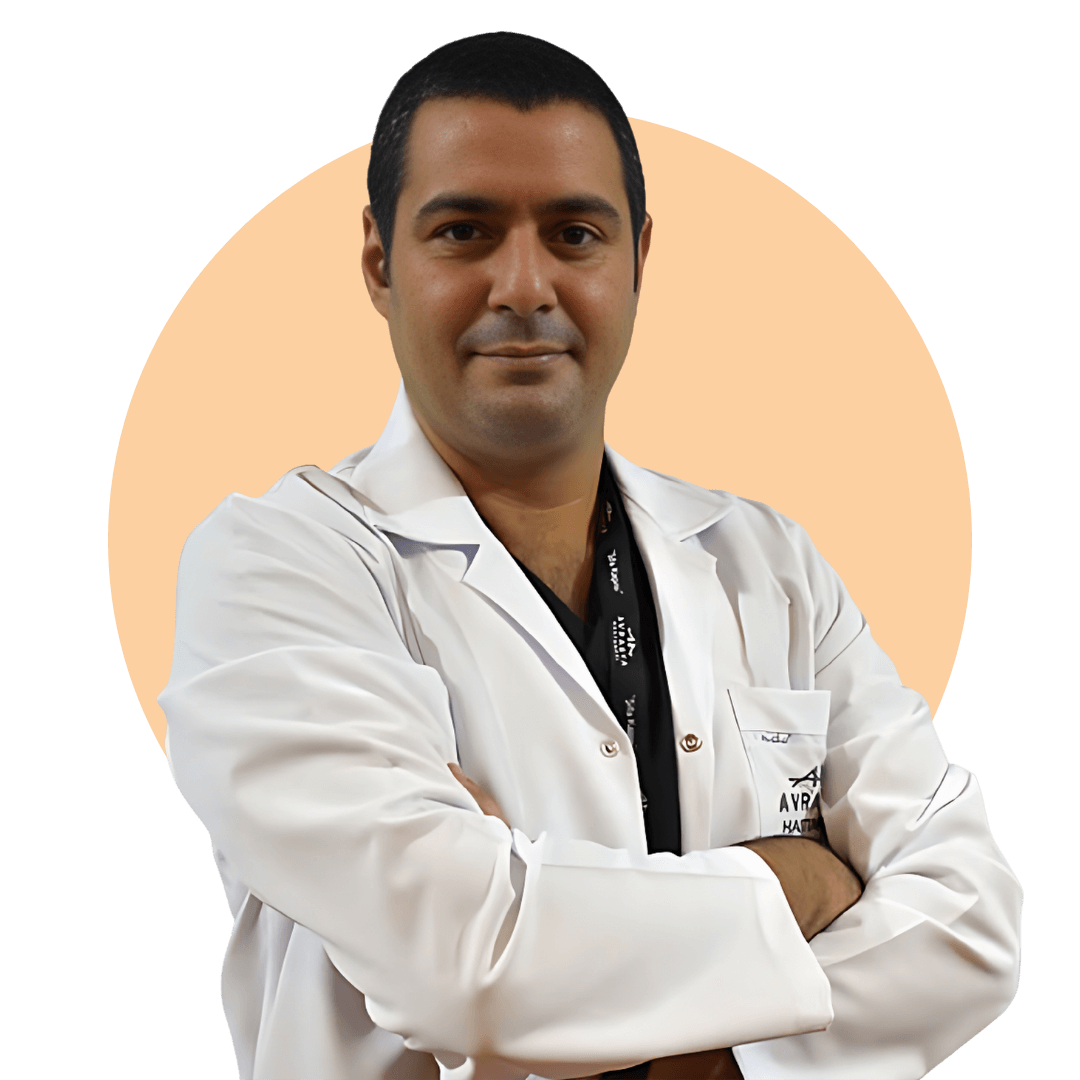
Dr. Akin Ünal
General Surgeon
BIOGRAPHY
He was born in Istanbul in 1982. He graduated from Kocaeli University, Faculty of Medicine. In 2012, he worked as an emergency medical assistant at Taksim First Aid EAH.
Between 2013-2018, he specialized in general surgery at Haseki EAH. Then, between 2018-2020, he completed his compulsory service at Bitlis Tatvan State Hospital. Since 2020, with Dr. Hasan Lice, they have worked with the Sava team for bariatric surgeries. He is married and has two kids.
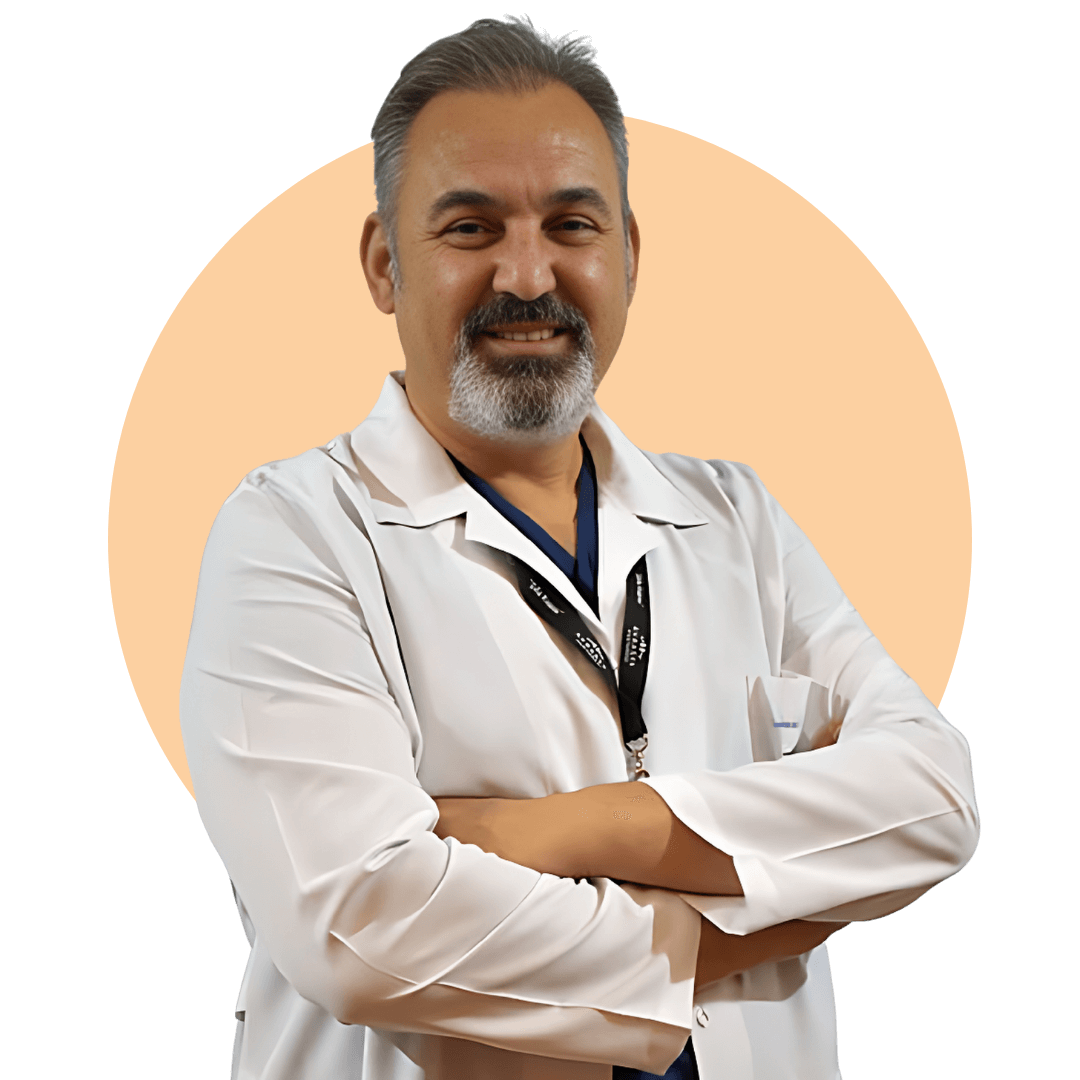
Dr. Hasan Lice
General Surgeon
BIOGRAPHY
He was born in 1967 in Istanbul. He completed primary, secondary, and high school in Istanbul. He graduated from Capa Medical Faculty in 1993.He worked as an assistant at Taksim Training and Research Hospital between 1994-1998. Between 1998 and 2012, he served on diagnosis and therapeutic solutions in General Surgery, Cancer Surgery, Laparoscopy Surgery, and Endoscopy in the 2nd Surgery Clinic at Haseki Training and Research Hospital. He is married and has 2 children. He speaks Turkish and English.
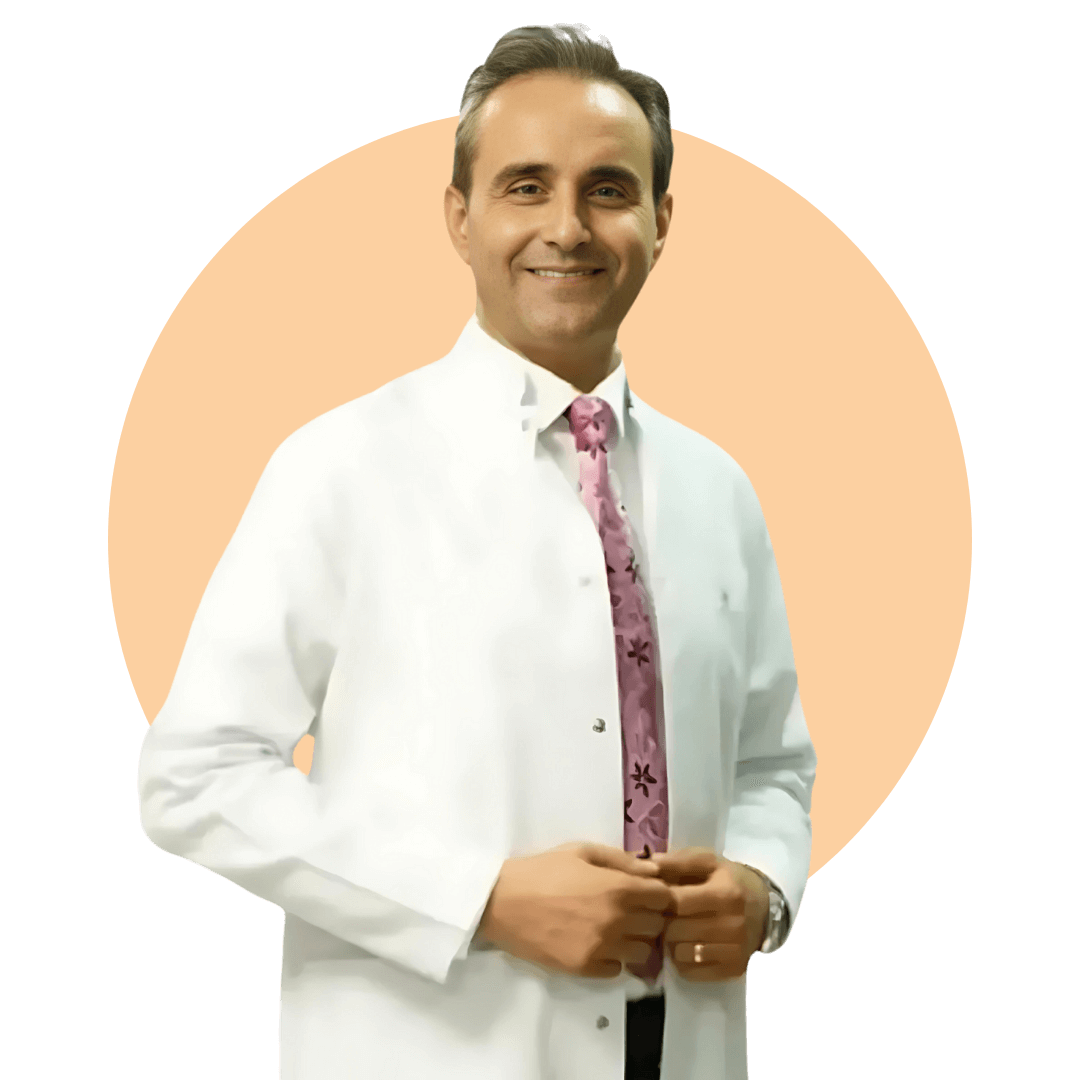
Prof.Dr. Hanifi Onalan
General Surgeon Assoc.
BIOGRAPHY
Education ;1992-1998 Istanbul University Faculty of Medicine1999-2004 Taksim Training and Research Hospital General Surgery Clinic Medical fields;Obesity treatment (Gastric balloon, Gastric Sleeve, Gastric Bypass, Gastric Botox)Gallbladder and bile duct surgeryBreast diseases and Breast surgeryAnal system diseases and surgery (haemorrhoids, anal fissure, perianal abscess and fistula surgery)Thyroid diseases and surgical treatmentHernia surgery (open and laparoscopic) (groin, umbilical, wound hernias)Colon, rectum, stomach diseases and surgical treatmentEndoscopic diagnosis and treatment interventions (gastroscopy, colonoscopy, ERCP, peg)Memberships;Turkish Surgery AssociationNational Association of Trauma and Emergency SurgeryTurkish Medical AssociationTOSS ( Turkish Bariatric Surgery Association )IFSO (International Federation for the Surgery of obesity and Metabolic disorders )Publications ;Can Postoperative Adhesions Be Prevented? The Effect of COX-2 Selective Inhibitor Rofecoxib on Intraabdominal Adhesion Model Experimental Study 19(4):145-149, 2005 Journal of Contemporary Surgery 2005 Osman YÜCEL, Yücel YANKOL, Ferda NİHAT KOKSOY, Hanifi ÖNALAN, Pelin AKBABA, Ayşenur AKYILDIZ İĞDEM Research Hospital 2nd General Surgery Clinic* and Pathology Laboratory**, IstanbulTractotomy and omentoplasty in a case of hepatic gunshot wounds A regional trauma and emergency surgery congress (international participation) 2001 A.Çelik, H. Önalan, N. Mecit, M.Er, O. YücelParenteral nutrition in patients undergoing resection for gis malignancies, early results National Surgery Congress 2002 Dr Demiray, Dr D.Gönüllü, Dr.H. Önalan, Dr S.Bilgiç, Dr F.N.Köksoy, Dr O.Yücel

Mehmet Köksal
Aesthetic Surgeon
BIOGRAPHY
He was born in Samsun in 1978. After graduating from Faculty of Medicine (Çapa Medicine) of the Istanbul University in 2003, he completed his 6-year residency training at Şişli, Etfal Training and Research Hospital Plastic Surgery Clinic and became a Plastic Reconstructive and Aesthetic Surgery Specialist.In 2008, he received training from world-renowned surgeons at the University of Plastic Surgery Clinic in the New York, United States and participated the surgeries together with the doctors from New York.He attended courses and congresses about topics such as Breast Aesthetics, Abdominal Aesthetics, Liposuction, Buttock Aesthetics, Rhinoplasty, Facial rejuvenation, Botox and Fillers.Between 2010 and 2012, he worked at the Plastic Surgery Clinic of Ahi Evran University Kırşehir State Hospital. Kırşehir has carried out many surgeries and innovations that could not be done before in its history.It constantly improves itself by participating in congresses and meetings at homecountry and abroad every year.Op.Dr.Mehmet Köksal still works in a Private Clinic in Istanbul.He is a member of Turkish Medical Association, Turkish Plastic Reconstructive and Aesthetic Surgery Association and Aesthetic Plastic Surgery Association.
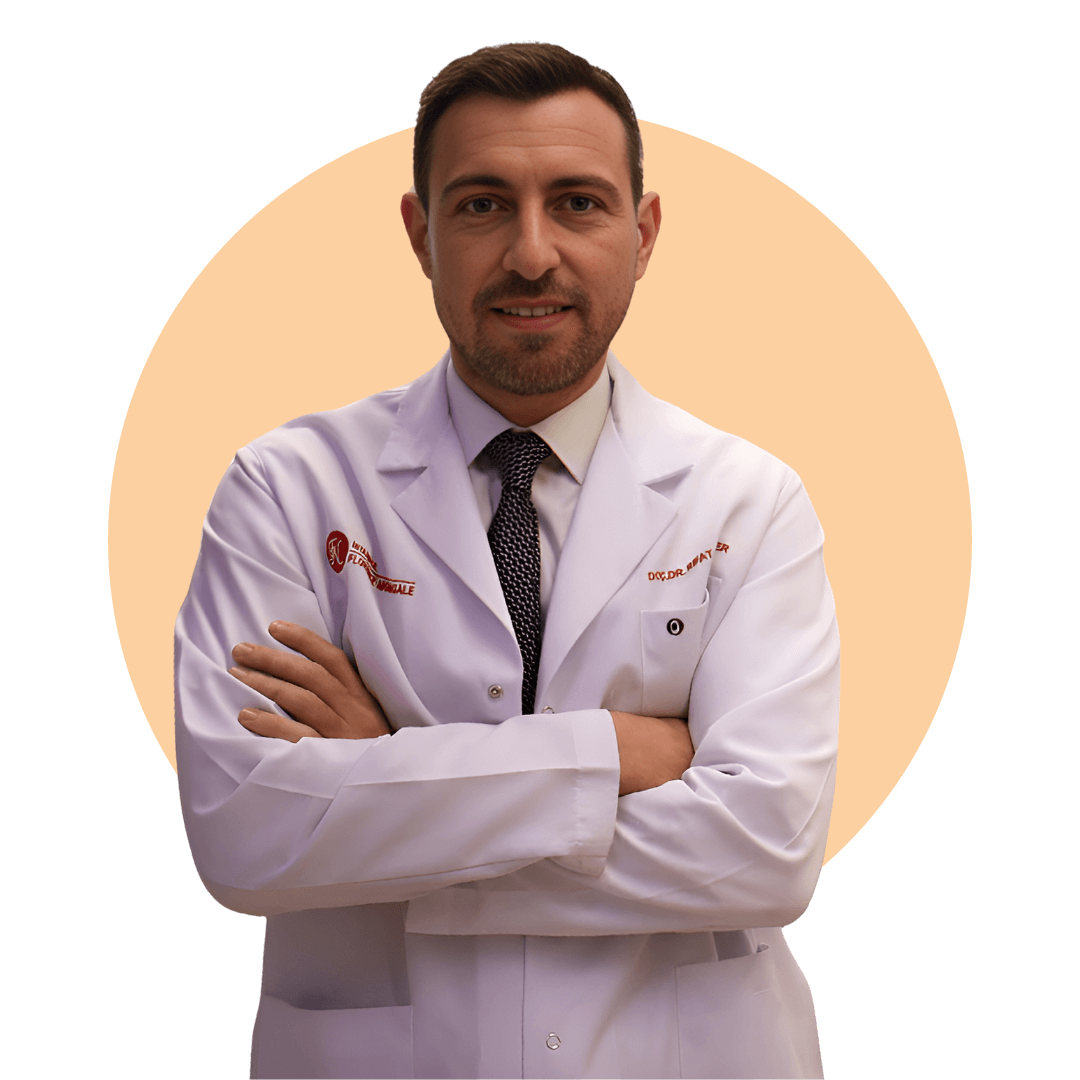
Prof. Dr. Rıfat Rasier
MD
BIOGRAPHY
During his medical education and specialization in ophthalmology, he attended Louisiana State University School of Medicine in the United States, Stadtisches Klinikum Kemperhof in Koblenz, Germany, and The Western Eye Hospital, Imperial College in England. In 2007, he received medical equivalence from the General Medical Council of England and became a fully registered doctor in England.
In addition to his ophthalmology education, he completed a master's program in Biomedical Engineering at Boğaziçi University in 2009.
Continuing his career development without slowing down, Rasier completed his specialization in Ophthalmology at Bilim University in 2010.
He fulfilled his mandatory service at Kırklareli State Hospital in 2012.
He attained the title of "Associate Professor" in the Department of Ophthalmology in 2016. He completed his PhD in Biomedical Engineering at Boğaziçi University with a 4.0 GPA in 2017.
As a result of his work at the Biomedical Engineering Laboratory of Boğaziçi University, Rıfat Rasier developed a procedure for laser-welding incisions in the transparent layer of the eye during cataract surgery, thereby closing the incision without the need for sutures. Current cataract surgeries either leave incisions open or suture them. Laser tissue welding experiments yielded positive results in closing incisions without stitches, reducing infection risks and shortening operation times.
This work by Rıfat Rasier was published in an international book titled "Infrared Lasers for Corneal Tissue Welding."
Awards Received:
Best Publication Award, Turkish Journal of Ophthalmology, 2010: "Corneal Tissue Welding with Infrared Lasers of Different Wavelengths in Transparent Corneal Sections."
Best Publication Award, Turkish Journal of Ophthalmology, 2011: "VEGF and IL-8 Levels in Vitreous Fluid in Proliferative Vitreoretinopathy Resulting from Rhegmatogenous Retinal Detachment."
JCI Ten Outstanding Young Persons of Turkey Award, First Prize in Medical and Medical Inventions, 2010.
Ministry of Industry, Teknogirişim Project Support, 2010.
Prof. Dr. Necati Tanyolaç Award for Projects and Research in Biomedical Engineering and Technologies during Master's or Doctorate Studies, 2017.
Second Prize for Best Scientific Poster, Turkish Ophthalmology Association National Congress, 2017. Academic Publications:
A. Number of articles published in international refereed journals: 22
B. Number of papers presented at international scientific meetings and published in proceedings: 10
C. Number of articles published in national refereed journals: 25
D. Number of papers presented at national scientific meetings and published in proceedings: 91
He fulfilled his mandatory service at Kırklareli State Hospital in 2012.
He attained the title of "Associate Professor" in the Department of Ophthalmology in 2016. He completed his PhD in Biomedical Engineering at Boğaziçi University with a 4.0 GPA in 2017.
As a result of his work at the Biomedical Engineering Laboratory of Boğaziçi University, Rıfat Rasier developed a procedure for laser-welding incisions in the transparent layer of the eye during cataract surgery, thereby closing the incision without the need for sutures. Current cataract surgeries either leave incisions open or suture them. Laser tissue welding experiments yielded positive results in closing incisions without stitches, reducing infection risks and shortening operation times.
This work by Rıfat Rasier was published in an international book titled "Infrared Lasers for Corneal Tissue Welding."
Awards Received:
Best Publication Award, Turkish Journal of Ophthalmology, 2010: "Corneal Tissue Welding with Infrared Lasers of Different Wavelengths in Transparent Corneal Sections."
Best Publication Award, Turkish Journal of Ophthalmology, 2011: "VEGF and IL-8 Levels in Vitreous Fluid in Proliferative Vitreoretinopathy Resulting from Rhegmatogenous Retinal Detachment."
JCI Ten Outstanding Young Persons of Turkey Award, First Prize in Medical and Medical Inventions, 2010.
Ministry of Industry, Teknogirişim Project Support, 2010.
Prof. Dr. Necati Tanyolaç Award for Projects and Research in Biomedical Engineering and Technologies during Master's or Doctorate Studies, 2017.
Second Prize for Best Scientific Poster, Turkish Ophthalmology Association National Congress, 2017. Academic Publications:
A. Number of articles published in international refereed journals: 22
B. Number of papers presented at international scientific meetings and published in proceedings: 10
C. Number of articles published in national refereed journals: 25
D. Number of papers presented at national scientific meetings and published in proceedings: 91
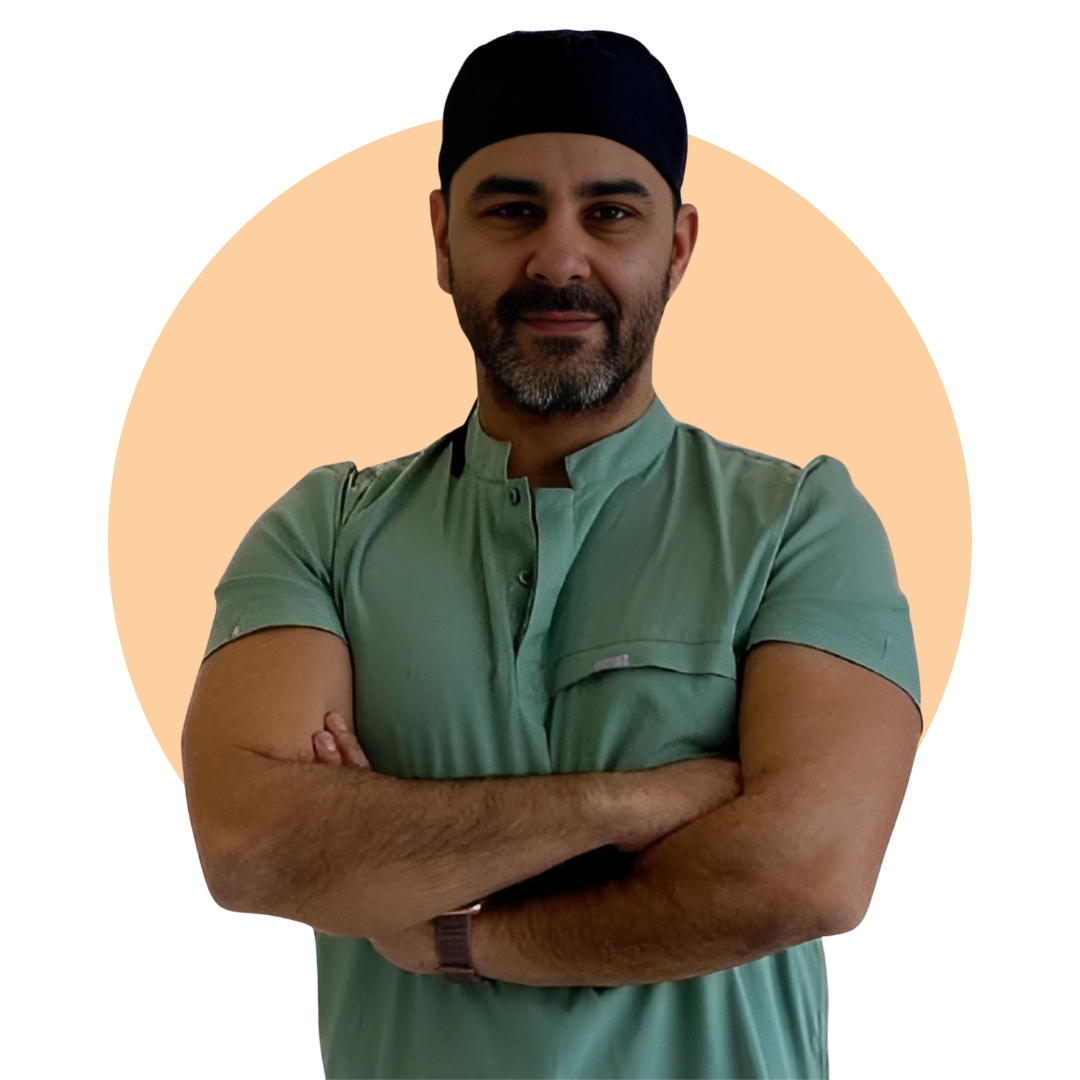
Çağrı Geridönmez
Medical Doctor
BIOGRAPHY
Dr. Cagrı Geridonmez was born in 1982 in Ankara, in the capital ofTurkey and is a graduate of medical faculty of Kirikkale University.In addition to his practice as a Chief Doctor in 2007 he obtained his medical degree and completed special medical program.Since he got his sertificate as a medical aesthetic he has performed more than 3500hair transplant operations in the one of the most well-known clinics ofTurkey.Currently he is managing a qualified medical team and performs hair restoration operations for patients from all countries of the world.Dr. Cagri’s interests also include improvement of hair loss treatment techniques and finding less invasive methods for hair transplant procedures.He participated in many local and international hair restoration surgery seminars and conferences. He received distinguishing certificates and diplomas for his valuable and well performed job.Now he is working on being a member of prominent international hair restoration organizations as İSHRS and ABHRS.In his spare time, Dr. Cagri enjoys to be engaged in sport activities, especially in motocross racing, car rally and Jiu-jitsu. He also enjoys being involved in different medical experiments on alternative medicine like acupuncture and bio resonance.Dr. Cagri’s passion is driven by the bonds he builds with his patients and the enjoyment he holds in providing high class medical service.
Contact us now
‘Take the opportunity to meet one-on-one with our specialised doctors. By contacting us, let’s plan the most suitable health solutions for you together.
Contact
Get support

24/7 Assistant
Our 24/7 support line is always with you to meet your needs and requests. Our expert team is ready to help you in the best way.

Get in touch with us
Reach out to us anytime to discover how our dedicated team can provide comprehensive assistance, address your concerns, and ensure a seamless experience tailored specifically to your unique requirements.

Redefine Your Health and Beauty at Sava Clinic
We exist to research, produce and apply the best solutions for you in the field of medicine and health. Reliability, complete personalization, distinction, teamwork and passionate work permeate the entire team behind Sava Medical Group.

5/5 Google

4.9/5 TrustPilot