



Neurosurgery is a medical speciality that deals with the diagnosis, treatment and surgical intervention of diseases, disorders and traumas occurring in the central nervous system (brain, spinal cord and spine) and peripheral nerves.
What is Brain and Nerve Surgery (Neurosurgery)?
Neurosurgery is a highly specialised medical field that deals with the diagnosis, treatment and surgical intervention of injuries, disorders and diseases occurring in the brain, spinal cord and spine as well as all peripheral nerves. Neurosurgery ensures the correct diagnosis of diseases of the nervous system and the application of effective treatment methods. In this field, a wide range of surgical and medical interventions are performed, from conditions that prevent blood flow to the brain to disorders occurring in the spine and nerve roots. In addition, rehabilitation of patients also plays an important role in the treatment process.
Neurosurgeons are professionals with a high degree of competence in the prevention, diagnosis and surgical treatment of diseases of the nervous system. These specialists have in-depth knowledge, especially in areas related to disorders of the brain, spine, spinal cord and peripheral nervous system, and create treatment plans tailored to the individual needs of each patient. Expertise in this field includes surgical interventions to improve patients’ quality of life and meticulous management of the recovery process.
What does Brain and Nerve Surgery (Neurosurgery) look for?
Neurosurgery is a medical field specialised in the diagnosis and treatment of a wide range of diseases, injuries and disorders of the central and peripheral nervous system. In this field, conditions such as spinal fractures, spinal and brain tumours, cerebral haemorrhages, spinal deformities such as scoliosis, head and neck injuries, congenital anomalies, traumas, vascular disorders and strokes are dealt with comprehensively. Neurosurgery specialists meticulously evaluate the conditions that require surgical intervention and develop personalised treatment methods.
Spinal Fractures and Deformities: Spinal fractures may occur as a result of traffic accidents, falls or traumas. Spinal deformities also include structural disorders such as scoliosis. Such disorders can seriously affect the quality of life of patients and often require surgical intervention. Neurosurgery specialists use advanced surgical techniques in the treatment of spinal fractures and deformities, allowing patients to recover in a healthy way.
Brain and Spine Tumours: Brain tumours are structures that can be both benign and malignant and are among the tumours that need to be surgically removed. Spinal tumours are abnormal growths that occur in the spinal bones or nerve roots. A multidisciplinary approach is required in the diagnosis and treatment of both brain and spinal tumours.
Brain Haemorrhages Brain haemorrhages are a serious condition that requires rapid intervention when bleeding occurs due to trauma or blocked blood vessels. Haemorrhages in the brain can lead to serious losses in neurological functions. Such situations are important cases that require urgent intervention in the field of neurosurgery. Neurosurgeons provide treatment with various surgical techniques to minimise the effects of brain haemorrhages.
Head and Neck Injuries: Injuries to the head and neck may be related to traumatic fractures, vascular damage or nerve damage. Such injuries require early intervention as they can pose life-threatening conditions. The Brain and Neurosurgery Unit performs the necessary surgical interventions in head and neck injuries and optimises the recovery process of patients.
Congenital Anomalies: Congenital brain and nervous system anomalies are structural or functional disorders that are present in some individuals from birth. Such anomalies may require direct treatment or may lead to complications over time. Neurosurgical specialists diagnose such diseases and offer appropriate treatment options.
Traumas and Paralysis: Brain and spinal cord traumas can damage the nervous system as a result of accidents or various violent situations. Traumas can lead to permanent disabilities or paralysis. The Neurosurgery Unit performs nerve repairs after trauma and manages the rehabilitation process of conditions such as paralysis.
Vascular Disorders: Disorders of the brain vessels can be caused by serious conditions such as stroke or aneurysm. Diagnosis and treatment of such vascular disorders require advanced surgical interventions. The Brain and Neurosurgery unit makes an early diagnosis of vascular disorders and applies appropriate treatment methods.
The Neurosurgery Unit adopts a multidisciplinary approach using advanced technology in the diagnosis and treatment of such complex conditions. Specialist physicians develop customised treatment plans according to the needs of patients and meticulously manage surgical intervention and recovery processes. Interventions in this field aim not only to treat diseases, but also to improve the quality of life of patients, protect nerve functions and accelerate recovery processes.
Brain and Spinal Cord Tumours
Today, advanced microsurgical and endoscopic techniques are used in the treatment of brain and nerve tumours in both adults and children. These surgical methods ensure precise removal of tumours, minimise the risk of damage to surrounding tissues and accelerate the healing process of patients. Since neurosurgery is a field that requires a multidisciplinary approach, the treatment of brain and nerve tumours is carried out in cooperation with physicians from different specialities.
The neurosurgery team is usually formed by a council consisting of a neurosurgeon, radiation oncologist, medical oncologist and neuroradiologist. This council evaluates the patient’s condition in detail and formulates the most appropriate treatment plan. This multidisciplinary approach enables individualised treatment strategies to be developed according to the type, size and location of the tumour. In the treatment of brain and nerve tumours, in addition to surgical intervention, in some cases, adjuvant treatment methods such as long-term chemotherapy (drug therapy) and/or radiotherapy (radiotherapy) may be used. These treatment options aim to support the healing process of the tumour and reduce the likelihood of recurrence.
Childhood Brain and Nerve Diseases (Paediatric Neurosurgery)
Today, congenital and acquired head and spine diseases are treated with advanced surgical techniques. These diseases can be caused by genetic factors, traumas, infections or various environmental factors and each case requires a specialised treatment approach. The aim of surgical treatment of head and spine diseases is to improve the general health of the patient, minimise loss of function and improve quality of life.
Tumours are the leading cause of both congenital and acquired head and spine diseases. Brain and spine tumours can be of different types, mainly malignant, and can grow over time and cause serious neurological problems. In the treatment of brain tumours, microsurgical techniques and endoscopic methods are used to remove the tumours without damaging the surrounding tissues. Spinal tumours can cause loss of mobility by pressing on the spinal bone or nerve roots. Such tumours usually require surgical intervention and adjuvant treatment (chemotherapy, radiotherapy).
Vascular diseases, disorders of the vessels of the brain and abnormalities of the spinal vessels are potentially life-threatening problems. Blockages in the vessels of the brain, aneurysms and other vascular diseases can lead to conditions that require emergency intervention, such as stroke or cerebral haemorrhage. Early diagnosis and treatment can help prevent serious consequences. Spinal vascular diseases, on the other hand, can often lead to impaired blood flow to the spinal cord and loss of neurological function. In addition to surgical intervention, endovascular treatment methods are frequently used in the treatment of cerebrovascular diseases of the brain and spine.
Hydrocephalus is a disease defined as excessive fluid accumulation in the brain and can adversely affect brain functions. Disorders in the fluid circulation in the brain cause fluid to accumulate and cause neurological problems by pressing on the brain tissue. In the treatment of hydrocephalus, it is aimed to surgically direct the fluid accumulation to the outside. This is usually done by placing a shunt system (a device that drains the brain fluid). Hydrocephalus can be both congenital and acquired and can lead to serious brain damage if left untreated.
Neurology frequently asked questions
What does the neurological department look at?
The Department of Neurology provides services for the diagnosis, treatment and monitoring of neurological diseases, including epilepsy, movement disorders, cerebrovascular diseases, dementia (such as Alzheimer’s disease), peripheral nervous system diseases, encephalitis, and sleep disorders, both on an outpatient and inpatient basis.
What are neurological complaints?
The most common neurological diseases include epilepsy, Alzheimer’s disease and other forms of dementia, paralysis, migraine and other headaches, multiple sclerosis, Parkinson’s disease, neurological infections, brain tumors, and head injuries.
What is checked during a neurological examination?
A neurological examination is the first step in the diagnosis of neurological diseases, which is performed before imaging examinations of the nervous system, brain, and spinal cord. The goal of a neurological examination is to determine the presence of neurological functional disorders that may be caused by lesions in the nervous system.

Doctors
Get ready to meet our physician staff, each of whom is an expert in their own branch and stands out with years of experience and success. Our physicians, who adopt the best practices of modern medicine, to whom you can safely entrust your health, are here to offer special solutions for your individual needs.
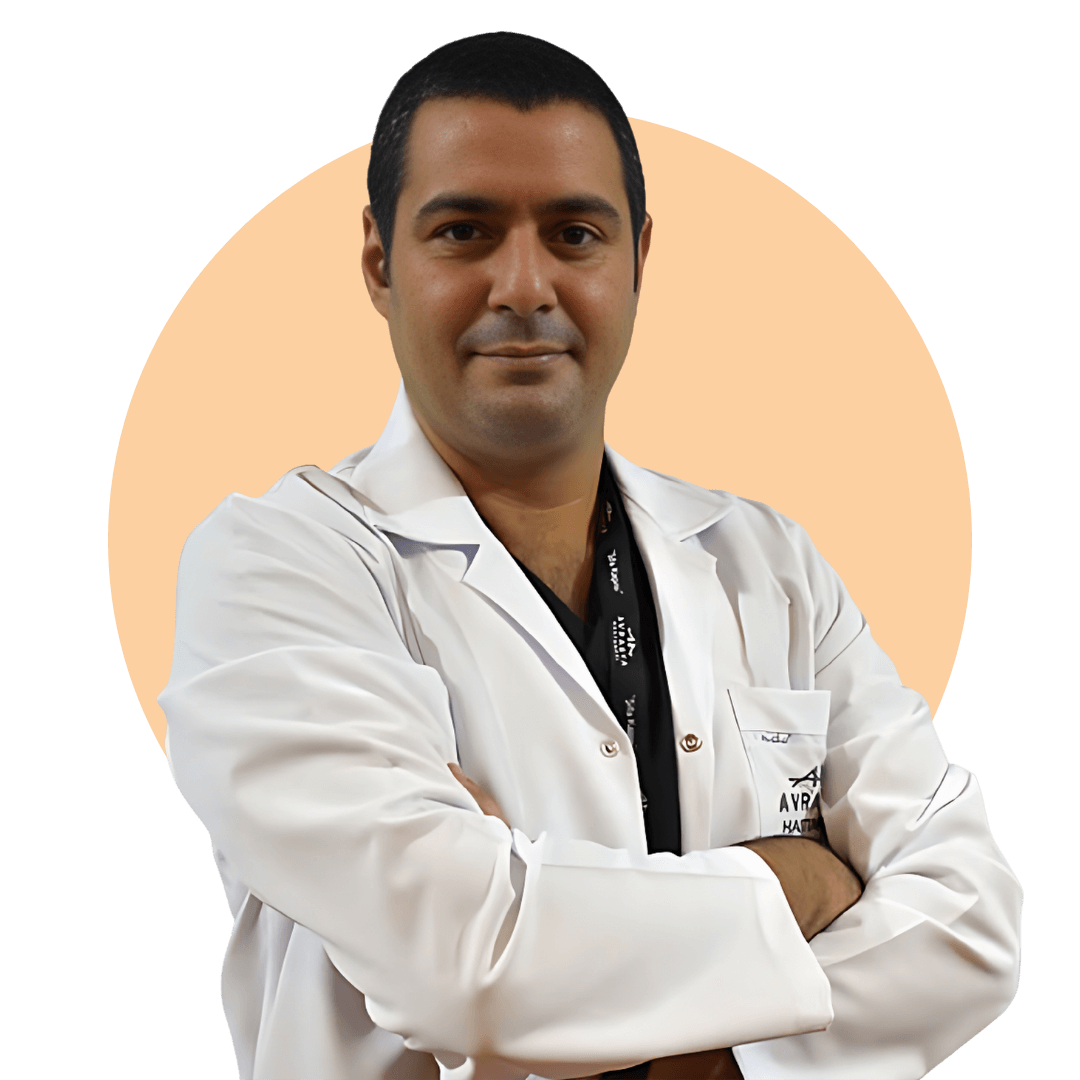
Dr. Akin Ünal
General Surgeon
BIOGRAPHY
He was born in Istanbul in 1982. He graduated from Kocaeli University, Faculty of Medicine. In 2012, he worked as an emergency medical assistant at Taksim First Aid EAH.
Between 2013-2018, he specialized in general surgery at Haseki EAH. Then, between 2018-2020, he completed his compulsory service at Bitlis Tatvan State Hospital. Since 2020, with Dr. Hasan Lice, they have worked with the Sava team for bariatric surgeries. He is married and has two kids.
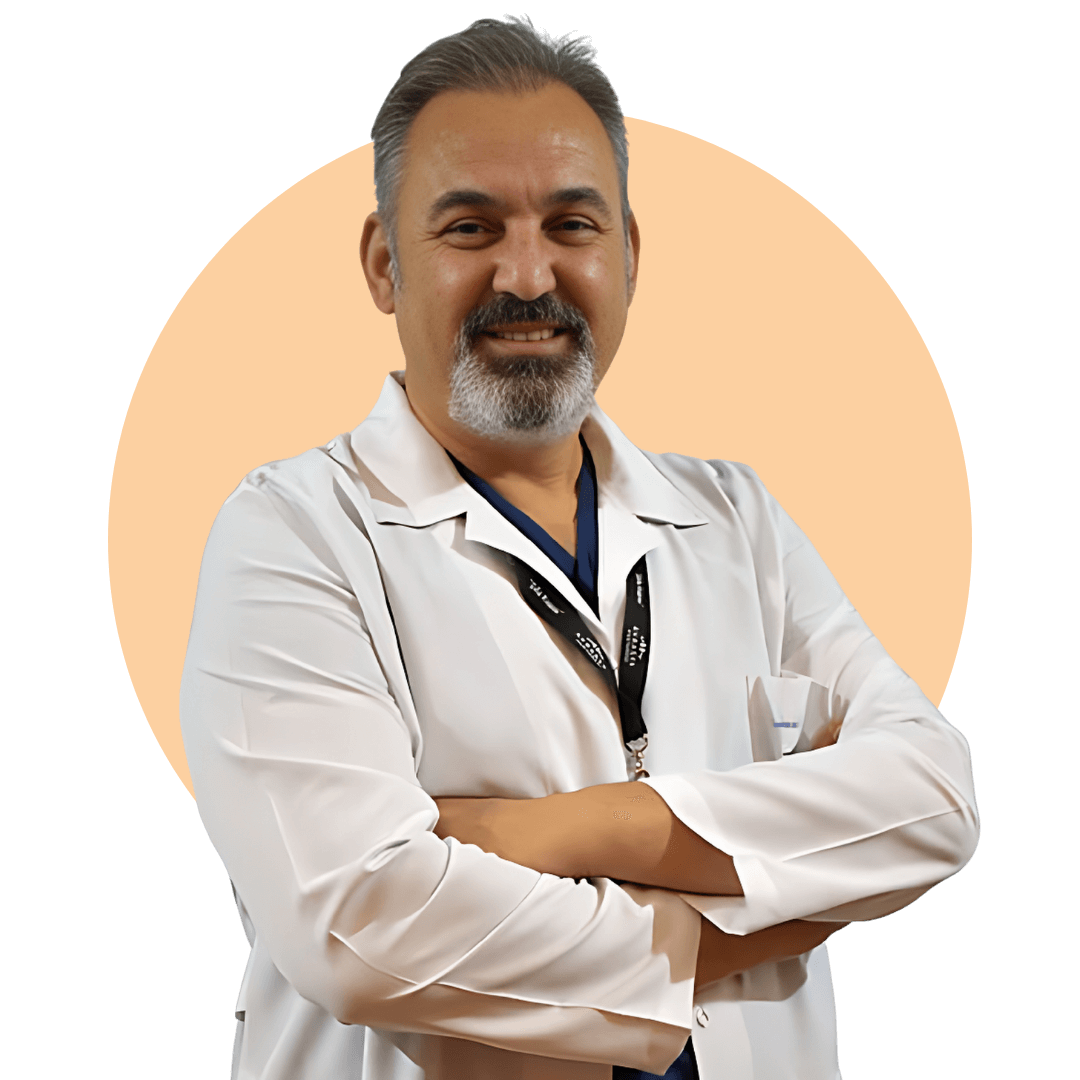
Dr. Hasan Lice
General Surgeon
BIOGRAPHY
He was born in 1967 in Istanbul. He completed primary, secondary, and high school in Istanbul. He graduated from Capa Medical Faculty in 1993.He worked as an assistant at Taksim Training and Research Hospital between 1994-1998. Between 1998 and 2012, he served on diagnosis and therapeutic solutions in General Surgery, Cancer Surgery, Laparoscopy Surgery, and Endoscopy in the 2nd Surgery Clinic at Haseki Training and Research Hospital. He is married and has 2 children. He speaks Turkish and English.
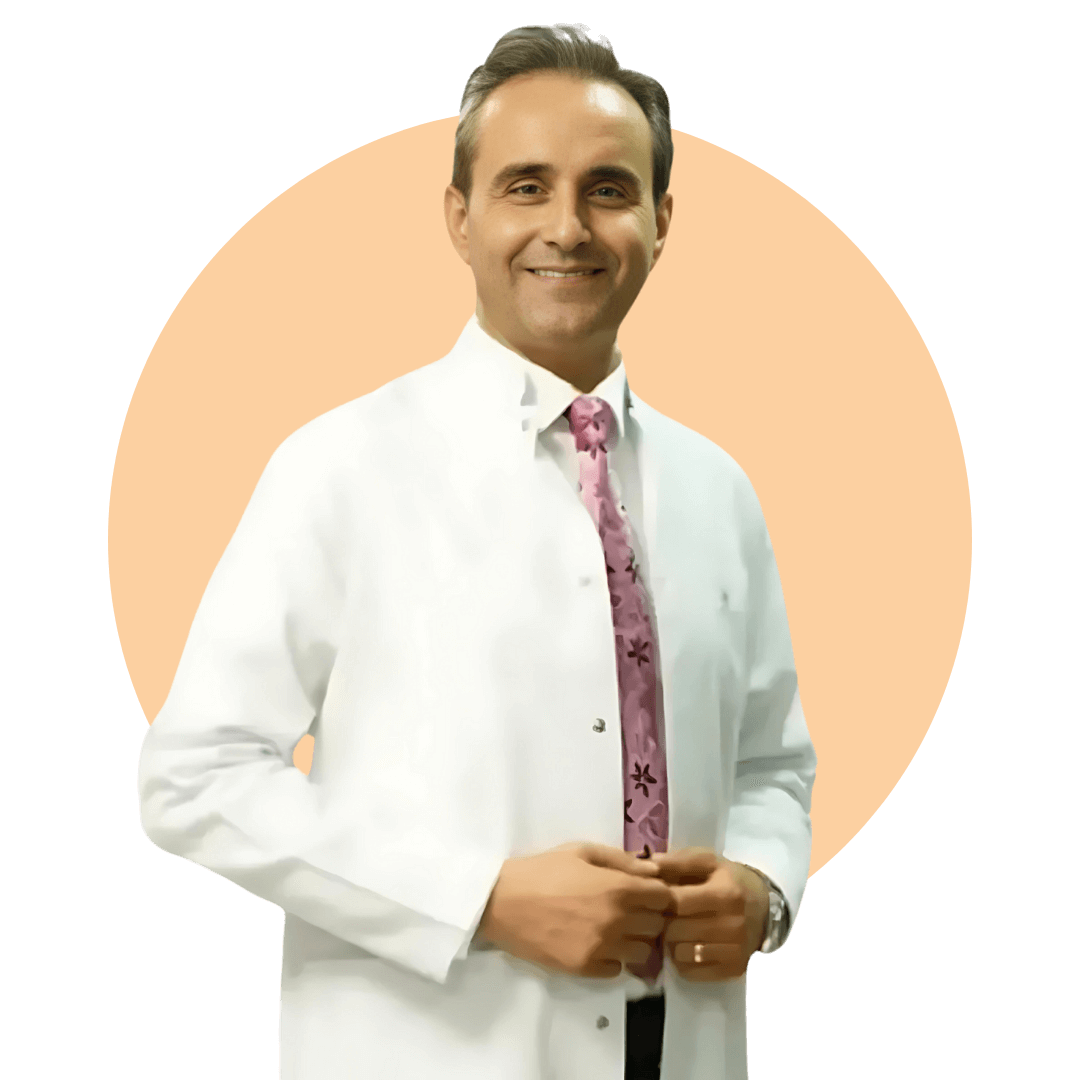
Prof.Dr. Hanifi Onalan
General Surgeon Assoc.
BIOGRAPHY
Education ;1992-1998 Istanbul University Faculty of Medicine1999-2004 Taksim Training and Research Hospital General Surgery Clinic Medical fields;Obesity treatment (Gastric balloon, Gastric Sleeve, Gastric Bypass, Gastric Botox)Gallbladder and bile duct surgeryBreast diseases and Breast surgeryAnal system diseases and surgery (haemorrhoids, anal fissure, perianal abscess and fistula surgery)Thyroid diseases and surgical treatmentHernia surgery (open and laparoscopic) (groin, umbilical, wound hernias)Colon, rectum, stomach diseases and surgical treatmentEndoscopic diagnosis and treatment interventions (gastroscopy, colonoscopy, ERCP, peg)Memberships;Turkish Surgery AssociationNational Association of Trauma and Emergency SurgeryTurkish Medical AssociationTOSS ( Turkish Bariatric Surgery Association )IFSO (International Federation for the Surgery of obesity and Metabolic disorders )Publications ;Can Postoperative Adhesions Be Prevented? The Effect of COX-2 Selective Inhibitor Rofecoxib on Intraabdominal Adhesion Model Experimental Study 19(4):145-149, 2005 Journal of Contemporary Surgery 2005 Osman YÜCEL, Yücel YANKOL, Ferda NİHAT KOKSOY, Hanifi ÖNALAN, Pelin AKBABA, Ayşenur AKYILDIZ İĞDEM Research Hospital 2nd General Surgery Clinic* and Pathology Laboratory**, IstanbulTractotomy and omentoplasty in a case of hepatic gunshot wounds A regional trauma and emergency surgery congress (international participation) 2001 A.Çelik, H. Önalan, N. Mecit, M.Er, O. YücelParenteral nutrition in patients undergoing resection for gis malignancies, early results National Surgery Congress 2002 Dr Demiray, Dr D.Gönüllü, Dr.H. Önalan, Dr S.Bilgiç, Dr F.N.Köksoy, Dr O.Yücel

Mehmet Köksal
Aesthetic Surgeon
BIOGRAPHY
He was born in Samsun in 1978. After graduating from Faculty of Medicine (Çapa Medicine) of the Istanbul University in 2003, he completed his 6-year residency training at Şişli, Etfal Training and Research Hospital Plastic Surgery Clinic and became a Plastic Reconstructive and Aesthetic Surgery Specialist.In 2008, he received training from world-renowned surgeons at the University of Plastic Surgery Clinic in the New York, United States and participated the surgeries together with the doctors from New York.He attended courses and congresses about topics such as Breast Aesthetics, Abdominal Aesthetics, Liposuction, Buttock Aesthetics, Rhinoplasty, Facial rejuvenation, Botox and Fillers.Between 2010 and 2012, he worked at the Plastic Surgery Clinic of Ahi Evran University Kırşehir State Hospital. Kırşehir has carried out many surgeries and innovations that could not be done before in its history.It constantly improves itself by participating in congresses and meetings at homecountry and abroad every year.Op.Dr.Mehmet Köksal still works in a Private Clinic in Istanbul.He is a member of Turkish Medical Association, Turkish Plastic Reconstructive and Aesthetic Surgery Association and Aesthetic Plastic Surgery Association.
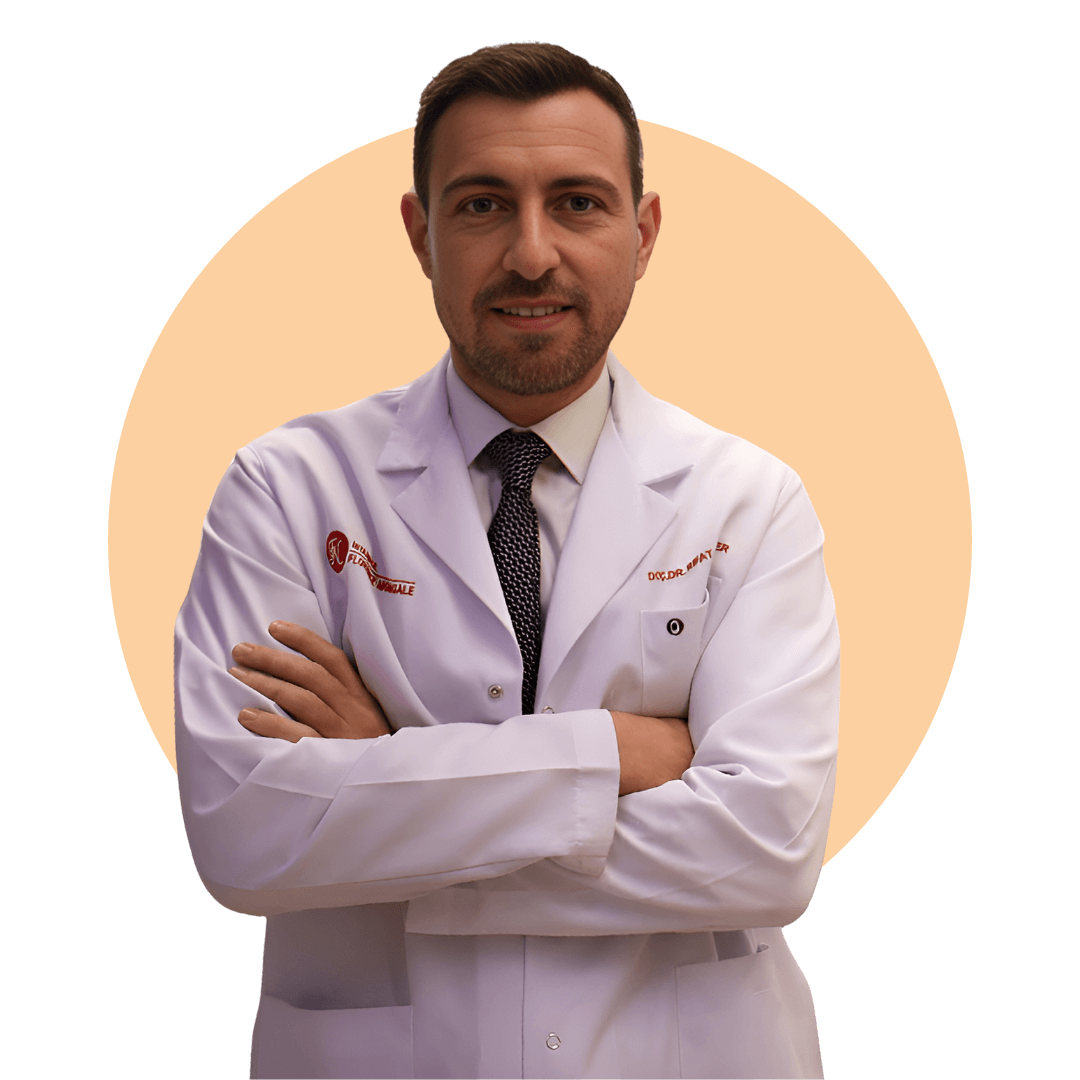
Prof. Dr. Rıfat Rasier
MD
BIOGRAPHY
During his medical education and specialization in ophthalmology, he attended Louisiana State University School of Medicine in the United States, Stadtisches Klinikum Kemperhof in Koblenz, Germany, and The Western Eye Hospital, Imperial College in England. In 2007, he received medical equivalence from the General Medical Council of England and became a fully registered doctor in England.
In addition to his ophthalmology education, he completed a master's program in Biomedical Engineering at Boğaziçi University in 2009.
Continuing his career development without slowing down, Rasier completed his specialization in Ophthalmology at Bilim University in 2010.
He fulfilled his mandatory service at Kırklareli State Hospital in 2012.
He attained the title of "Associate Professor" in the Department of Ophthalmology in 2016. He completed his PhD in Biomedical Engineering at Boğaziçi University with a 4.0 GPA in 2017.
As a result of his work at the Biomedical Engineering Laboratory of Boğaziçi University, Rıfat Rasier developed a procedure for laser-welding incisions in the transparent layer of the eye during cataract surgery, thereby closing the incision without the need for sutures. Current cataract surgeries either leave incisions open or suture them. Laser tissue welding experiments yielded positive results in closing incisions without stitches, reducing infection risks and shortening operation times.
This work by Rıfat Rasier was published in an international book titled "Infrared Lasers for Corneal Tissue Welding."
Awards Received:
Best Publication Award, Turkish Journal of Ophthalmology, 2010: "Corneal Tissue Welding with Infrared Lasers of Different Wavelengths in Transparent Corneal Sections."
Best Publication Award, Turkish Journal of Ophthalmology, 2011: "VEGF and IL-8 Levels in Vitreous Fluid in Proliferative Vitreoretinopathy Resulting from Rhegmatogenous Retinal Detachment."
JCI Ten Outstanding Young Persons of Turkey Award, First Prize in Medical and Medical Inventions, 2010.
Ministry of Industry, Teknogirişim Project Support, 2010.
Prof. Dr. Necati Tanyolaç Award for Projects and Research in Biomedical Engineering and Technologies during Master's or Doctorate Studies, 2017.
Second Prize for Best Scientific Poster, Turkish Ophthalmology Association National Congress, 2017. Academic Publications:
A. Number of articles published in international refereed journals: 22
B. Number of papers presented at international scientific meetings and published in proceedings: 10
C. Number of articles published in national refereed journals: 25
D. Number of papers presented at national scientific meetings and published in proceedings: 91
He fulfilled his mandatory service at Kırklareli State Hospital in 2012.
He attained the title of "Associate Professor" in the Department of Ophthalmology in 2016. He completed his PhD in Biomedical Engineering at Boğaziçi University with a 4.0 GPA in 2017.
As a result of his work at the Biomedical Engineering Laboratory of Boğaziçi University, Rıfat Rasier developed a procedure for laser-welding incisions in the transparent layer of the eye during cataract surgery, thereby closing the incision without the need for sutures. Current cataract surgeries either leave incisions open or suture them. Laser tissue welding experiments yielded positive results in closing incisions without stitches, reducing infection risks and shortening operation times.
This work by Rıfat Rasier was published in an international book titled "Infrared Lasers for Corneal Tissue Welding."
Awards Received:
Best Publication Award, Turkish Journal of Ophthalmology, 2010: "Corneal Tissue Welding with Infrared Lasers of Different Wavelengths in Transparent Corneal Sections."
Best Publication Award, Turkish Journal of Ophthalmology, 2011: "VEGF and IL-8 Levels in Vitreous Fluid in Proliferative Vitreoretinopathy Resulting from Rhegmatogenous Retinal Detachment."
JCI Ten Outstanding Young Persons of Turkey Award, First Prize in Medical and Medical Inventions, 2010.
Ministry of Industry, Teknogirişim Project Support, 2010.
Prof. Dr. Necati Tanyolaç Award for Projects and Research in Biomedical Engineering and Technologies during Master's or Doctorate Studies, 2017.
Second Prize for Best Scientific Poster, Turkish Ophthalmology Association National Congress, 2017. Academic Publications:
A. Number of articles published in international refereed journals: 22
B. Number of papers presented at international scientific meetings and published in proceedings: 10
C. Number of articles published in national refereed journals: 25
D. Number of papers presented at national scientific meetings and published in proceedings: 91
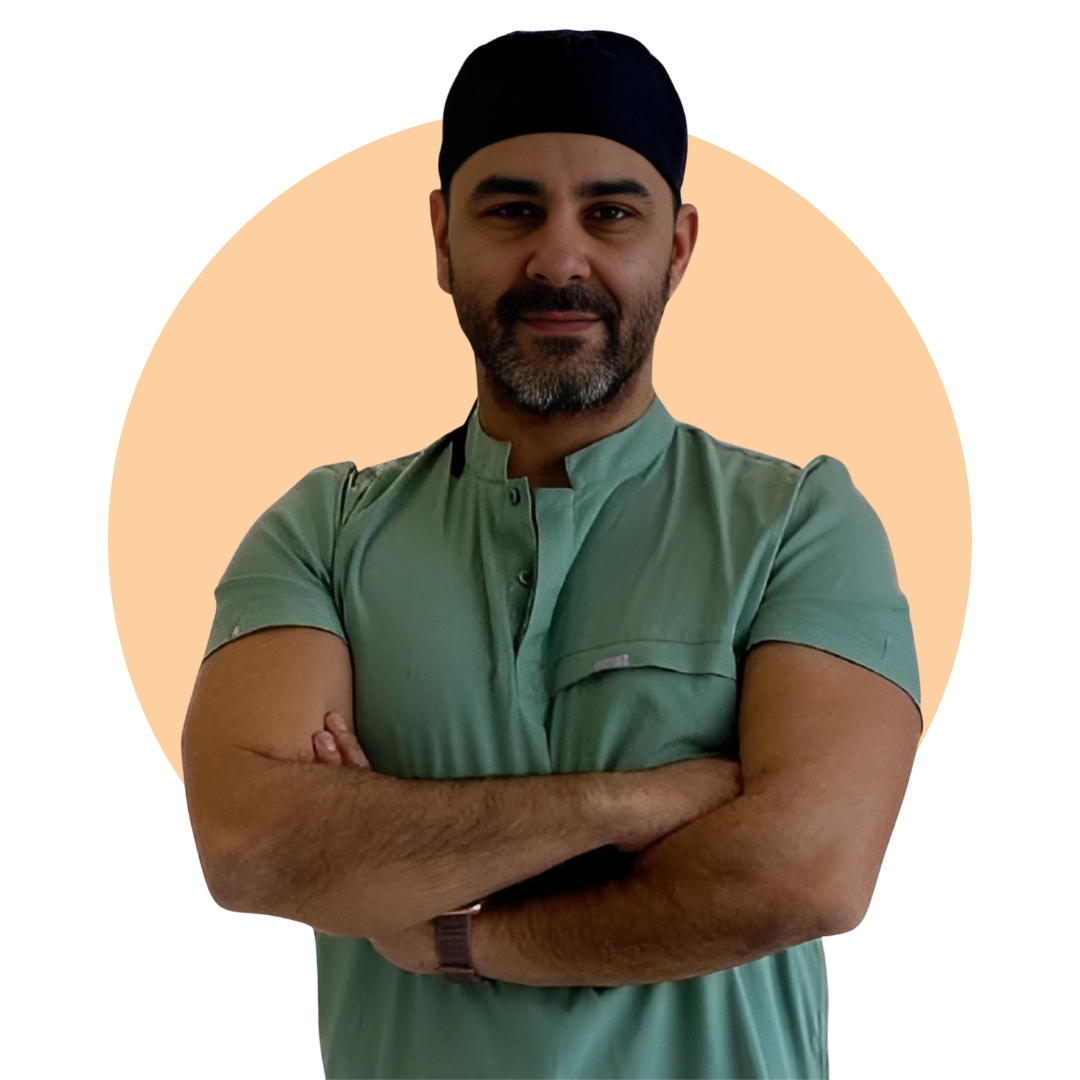
Çağrı Geridönmez
Medical Doctor
BIOGRAPHY
Dr. Cagrı Geridonmez was born in 1982 in Ankara, in the capital ofTurkey and is a graduate of medical faculty of Kirikkale University.In addition to his practice as a Chief Doctor in 2007 he obtained his medical degree and completed special medical program.Since he got his sertificate as a medical aesthetic he has performed more than 3500hair transplant operations in the one of the most well-known clinics ofTurkey.Currently he is managing a qualified medical team and performs hair restoration operations for patients from all countries of the world.Dr. Cagri’s interests also include improvement of hair loss treatment techniques and finding less invasive methods for hair transplant procedures.He participated in many local and international hair restoration surgery seminars and conferences. He received distinguishing certificates and diplomas for his valuable and well performed job.Now he is working on being a member of prominent international hair restoration organizations as İSHRS and ABHRS.In his spare time, Dr. Cagri enjoys to be engaged in sport activities, especially in motocross racing, car rally and Jiu-jitsu. He also enjoys being involved in different medical experiments on alternative medicine like acupuncture and bio resonance.Dr. Cagri’s passion is driven by the bonds he builds with his patients and the enjoyment he holds in providing high class medical service.
Contact us now
‘Take the opportunity to meet one-on-one with our specialised doctors. By contacting us, let’s plan the most suitable health solutions for you together.
Contact
Get support

24/7 Assistant
Our 24/7 support line is always with you to meet your needs and requests. Our expert team is ready to help you in the best way.

Get in touch with us
Reach out to us anytime to discover how our dedicated team can provide comprehensive assistance, address your concerns, and ensure a seamless experience tailored specifically to your unique requirements.

Redefine Your Health and Beauty at Sava Clinic
We exist to research, produce and apply the best solutions for you in the field of medicine and health. Reliability, complete personalization, distinction, teamwork and passionate work permeate the entire team behind Sava Medical Group.

5/5 Google

4.9/5 TrustPilot