



Dental Treatments
A dental implant acts as an artificial root, securely placed into the jawbone to replace a missing natural tooth. Once the implant integrates with the bone, a custom-made dental crown is attached on top, restoring both the function and appearance of the lost tooth with a natural-looking result.
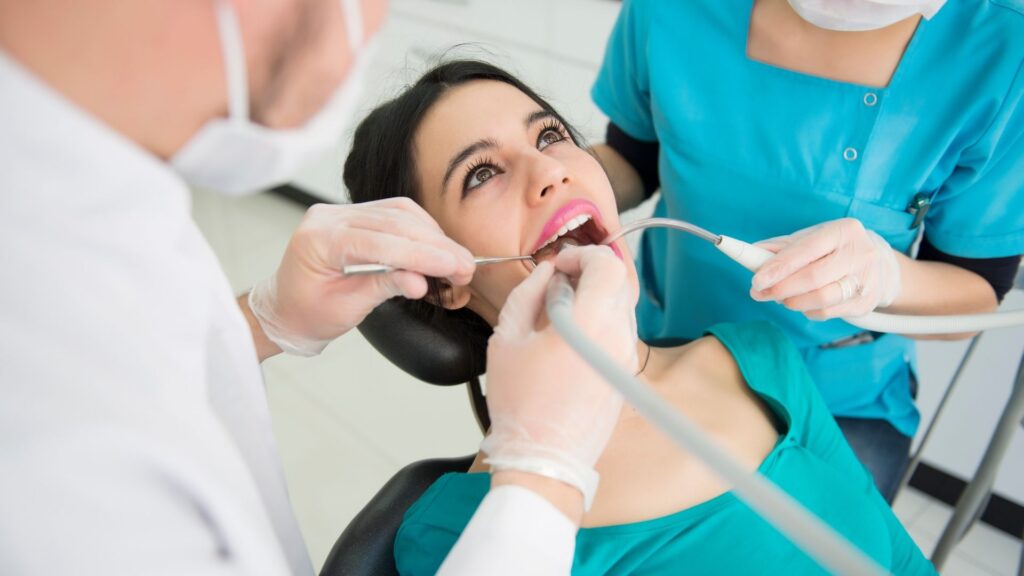
A dental implant serves as an artificial tooth root, surgically placed into the jawbone to replace a missing natural tooth. Once the implant integrates with the bone, it provides a stable foundation for attaching a dental crown or bridge, restoring both the function and appearance of the lost tooth.
One of the major advantages of dental implants is that they allow for tooth replacement without affecting neighboring healthy teeth. Unlike traditional bridges, which require the alteration of adjacent teeth, implants preserve the integrity of your natural dentition. They can be used to replace a single tooth, multiple teeth, or even a full arch in cases of total tooth loss.
Implants effectively restore up to 80% of natural chewing function, allowing patients to comfortably eat most foods—including soft and moderately hard items. However, it’s advised to avoid extremely hard foods like fried bread or tough nuts to prolong the life of the prosthesis.
The dental implant process typically involves the following key stages:
Consultation & Treatment Planning: A comprehensive evaluation including imaging and oral health assessment to create a customized treatment plan.
Implant Placement & Temporary Prosthesis: The titanium implant is placed in the jawbone, often followed by a temporary prosthesis during the healing period.
Follow-up & Healing Phase: Regular monitoring ensures proper healing and implant integration.
Permanent Crown Placement: Once the implant is fully integrated, a custom-made permanent crown or bridge is securely fixed onto the implant.
With their durability, natural look, and functionality, dental implants are considered one of the most reliable solutions for tooth restoration.
When it’s necessary to perform dental implantation
While dental implantation does not have a fixed time requirement, delaying the procedure can lead to significant complications. Acting promptly is essential to preserving oral health, function, and facial aesthetics.
Dental implants are the most advanced and reliable method for restoring lost teeth and chewing function—whether it’s a single tooth, multiple teeth, or even an entire arch. Today’s modern techniques make it possible to perform successful implantations even in cases of complete tooth loss, and implants are also frequently used to stabilize removable prostheses for improved comfort and functionality.
When missing teeth are not replaced in a timely manner, the consequences extend beyond just appearance. Bone loss in the jaw begins to occur, neighboring teeth may shift into the gap, and opposing teeth may elongate. As more teeth are lost, the facial structure can collapse—cheeks may sink in, lips lose volume, and the nose and chin appear more pronounced, making individuals look significantly older than they are.
Beyond the physical effects, prolonged tooth loss can negatively impact one’s health, self-confidence, and emotional well-being. Therefore, timely dental implantation is not just a cosmetic choice—it’s a crucial step in maintaining quality of life.
All-On-4 Implants
The All-on-4® technique has transformed the landscape of dental treatment by significantly reducing both procedure time and overall costs. One of its major advantages is that it often eliminates the need for complex bone grafting procedures.
This innovative method is ideal for individuals who have lost most or all of their teeth and have traditionally been offered removable dentures. Instead of using 6 to 8 implants, the All-on-4® approach restores an entire arch of teeth with just four strategically placed implants. This streamlined process allows for effective and stable results with fewer surgical interventions.
In suitable candidates, All-on-4® offers a fast, functional, and aesthetically pleasing solution—providing fixed teeth that look and feel natural in a remarkably short time.
Rediscover your confidence and comfort with the simplicity and effectiveness of All-on-4®.
What are the advantages of All On Four implant technique?
The All-on-4® technique offers a range of significant benefits, making it a preferred solution for patients with complete tooth loss:
Immediate Fixed Prosthesis: Enables the placement of a fixed dental prosthesis in a single surgical session, even for fully edentulous patients.
Minimally Invasive Procedure: Eliminates the need for advanced surgical techniques such as sinus lifts or bone grafting, making the operation simpler and more comfortable.
Shorter Surgical Time: The overall duration of the implant procedure is significantly reduced.
Cost-Effective: With fewer implants required and no additional surgical steps, this method is more affordable than traditional implant treatments.
Customized Aesthetics: The smile line and prosthetic design are tailored to each patient, resulting in a natural and personalized appearance.
Easy Maintenance: Cleaning and maintaining All-on-4® prostheses is easier compared to conventional fixed dentures supported by multiple implants.
Ideal for Sensitive Patients: A suitable option for individuals who cannot tolerate removable dentures or who experience a strong gag reflex.
Palate-Free Design: Unlike full dentures, All-on-4® prosthetics do not cover the palate, allowing for better comfort, speech, and adaptation.
Convenient for International Patients: Fewer treatment sessions make it ideal for patients traveling from abroad.
To whom can All On Four implant technique be applied?
“The All-on-4® treatment is a highly effective solution for completely edentulous patients—those who have lost all of their natural teeth—provided they do not have any systemic health conditions that would contraindicate dental implant surgery. This procedure is particularly suitable for individuals with adequate bone volume, allowing the placement of implants without the need for complex bone grafting or sinus lift surgeries. As a result, the treatment process is significantly shorter and more cost-effective compared to traditional implant methods. All-on-4® is especially beneficial for patients who struggle with removable dentures due to discomfort or a strong gag reflex, offering a stable, natural-looking, and functional alternative that restores both confidence and quality of life.”
Dental Bridge
If you’re missing one or more teeth—including front teeth—a dental bridge can effectively restore both the appearance and function of your smile. Designed to “bridge” the gap left by missing teeth, this fixed dental restoration relies on the support of healthy adjacent teeth or dental implants.
Missing teeth can result from various causes such as tooth decay, gum disease, trauma, or even congenital conditions that result in absent teeth from birth. Regardless of the cause, untreated tooth loss can impact your ability to chew, speak clearly, and maintain proper alignment of your remaining teeth.
To be a candidate for a dental bridge, it’s important to have strong, healthy teeth or implants on either side of the gap. A consultation with a dental professional can help determine the best treatment plan tailored to your individual needs, ensuring a natural look, improved functionality, and long-term oral health.
Root Canal
Root canal treatment, also known as endodontics, is a dental procedure designed to treat infections in the center of a tooth, known as the pulp. This treatment is typically performed when the tooth becomes severely decayed or infected, potentially causing pain or discomfort.
Contrary to common belief, root canal treatment is not painful. In fact, it often alleviates the pain caused by the infection. By removing the infected pulp and cleaning the inside of the tooth, a root canal can effectively save a tooth that might otherwise need to be extracted.
The procedure helps preserve your natural tooth, preventing further damage and maintaining the function of your smile. If you’re experiencing tooth pain or suspect an infection, consult with your dentist to see if a root canal is the right solution to restore your oral health.
Why it’s needed
An infection in the center of a tooth, known as the root canal, is typically caused by bacteria that naturally reside in the mouth. These bacteria can invade the tooth and lead to infection under certain conditions. Common causes of a root canal infection include:
Tooth Decay: When cavities are left untreated, bacteria can penetrate the tooth’s inner layers, eventually reaching the pulp and causing infection.
Leaky Fillings: If dental fillings wear down or become compromised, they can allow bacteria to seep in and infect the tooth.
Trauma or Injury: Accidents such as falls or blows to the mouth can cause cracks or fractures in the tooth, allowing bacteria to enter and infect the pulp.
When these issues occur, prompt treatment is crucial to prevent further damage and preserve the tooth. Root canal therapy is an effective way to remove the infection and save the tooth from extraction.
Tooth structure
A tooth is made up of two main parts: the crown and the root. The crown is the visible part of the tooth that sits above the gum line, while the root extends into the jawbone, securing the tooth in place.
Teeth also consist of several essential components:
Enamel: The hard, outermost layer that provides protection against decay and physical damage.
Dentine: A softer material beneath the enamel that supports the tooth structure and makes up the majority of the tooth’s composition.
Cementum: A hard substance that covers the root’s surface, helping to anchor the tooth in the jawbone.
Dental Pulp: The soft tissue located at the center of the tooth, containing blood vessels and nerves.
The root canal system is found within the dental pulp and runs from the tooth’s crown to the tip of the root. Depending on the tooth, there may be multiple root canals. This system plays a vital role in nourishing the tooth and maintaining its health.
When root canal treatment is needed
Root canal treatment is required when dental X-rays reveal that the tooth’s pulp has been damaged due to a bacterial infection. Bacteria can infect the pulp, leading to inflammation, which allows the infection to spread.
Common symptoms of a pulp infection include:
Pain when eating or drinking hot or cold food and beverages
Discomfort when biting or chewing
A loose tooth
As the infection progresses, these symptoms may subside as the pulp dies. At this point, it might seem like the tooth has healed, but in reality, the infection has spread throughout the root canal system.
Further signs of infection may appear, such as:
Recurrence of pain when biting or chewing
Swelling in the gums near the affected tooth
Pus oozing from the tooth
Swelling of the cheek or jaw
A change in the tooth’s color, usually turning darker
It’s essential to see your dentist if you experience any of these symptoms, particularly a toothache. If the tooth is infected, the pulp cannot heal on its own.
Leaving an infected tooth untreated can make the problem worse. Furthermore, if the infection becomes deeply established, the chances of successful root canal treatment decrease. While antibiotics can treat infections that spread beyond the root and cause swelling, they are not effective in eliminating the root canal infection itself.
Dental Fillings
Dental fillings are materials—such as metals, plastics, glass, or composites—used to restore and repair damaged teeth. The most common use of fillings is to fill cavities, which are areas where your dentist has removed decayed tooth structure. In addition to treating cavities, fillings are also used to repair cracked or broken teeth, as well as those that have been worn down due to habits like nail-biting or grinding teeth.
What materials are dental fillings made from?
There are several types of materials used for dental fillings, each offering unique benefits based on your needs and preferences. Common options include:
Gold: Durable and long-lasting, gold fillings are a premium choice.
Porcelain: These provide a natural, tooth-colored appearance and are highly durable.
Silver amalgam: A traditional option that includes mercury mixed with silver, tin, zinc, and copper. Known for its strength, but less aesthetically pleasing.
Composite resin: A tooth-colored material made from a blend of plastic and glass. It blends well with natural teeth, making it ideal for visible areas.
When deciding on the type of filling, factors such as the location and size of the decay, cost, your insurance coverage, and your dentist’s professional recommendation will help determine the best option for you.
Advantages:
Choosing the right filling material depends on factors such as durability, appearance, and where the filling will be placed. Here are the most common options:
Gold Fillings: Known for their longevity, gold fillings can last at least 10 to 15 years. They also provide a pleasing appearance and are considered a premium option.
Silver Fillings (Amalgams): These fillings are durable, lasting 10 to 15 years or more, and are generally more affordable than composite fillings. However, they are noticeable due to their silver color.
Tooth-Colored Composite Fillings: These fillings are ideal for visible areas, as they can be closely matched to the natural color of your teeth. They bond well with the tooth, providing added strength. Often used for various repairs, they typically require the removal of less tooth structure than amalgam fillings.
Ceramics/Porcelain: Porcelain fillings are highly durable, lasting over 15 years, and are more resistant to staining compared to composite resin. They offer a natural appearance and are especially popular for repairs in visible areas.
Glass Ionomer Fillings: This material is often used for fillings below the gum line. It has the added benefit of releasing fluoride, which helps protect the tooth from further decay. While not as durable as other materials, glass ionomer is an effective option for certain cases.
Disadvantages:
Each filling material has its own set of advantages and considerations to keep in mind when choosing the best option for your dental needs:
Gold Fillings: Gold is a premium material that offers exceptional durability. However, it is more expensive than other options and may require multiple visits to the dentist for placement. Gold fillings are long-lasting but are best suited for less visible areas due to their color.
Silver Fillings (Amalgams): Silver fillings are a cost-effective option but may require more tooth structure to be removed to accommodate the filling. They also create a grayish hue in the surrounding tooth structure and may have a higher risk of causing tooth cracks or fractures due to the material’s expansion and contraction. Additionally, some individuals may have allergic reactions to silver amalgam fillings.
Tooth-Colored Composite Fillings: These fillings offer a natural, aesthetic look and can last at least five years. However, they may chip depending on their location and wear, especially in areas subject to heavy chewing. Composite fillings can cost up to twice as much as silver amalgams and may require more time to place, sometimes necessitating additional visits.
Ceramics (Porcelain Fillings): Porcelain fillings are durable and resistant to staining, but they can be as expensive as gold fillings. They provide a natural appearance and can be a good choice for visible areas, but their cost and possible need for multiple appointments may be a consideration.
Glass Ionomer Fillings: Glass ionomer fillings are less durable than composite resin and more prone to wear and fractures. They typically last around five years or less. While the cost is comparable to composite fillings, glass ionomer is generally used for specific situations, such as fillings below the gum line.
Dental Treatments Frequently Asked Questions
What are porcelain crowns?
Porcelain crowns are crafted from dental porcelain to mimic the look of natural teeth. They are durable and resilient but, like natural teeth, can wear over time and may require repairs or replacement if damaged.
What treatment options are there for changing the shape of my teeth?
There are various treatments available to help you achieve your desired smile, whether it’s lengthening teeth, closing gaps, or repairing chips.
What is a denture?
If you’ve lost some or all of your teeth, full or partial dentures can restore your smile and function. They are typically removed only for cleaning.
What is a dental crown?
Dental crowns, also known as caps, are used to cover damaged or worn teeth to restore strength and improve appearance. They are custom-made in a dental lab based on molds taken by your dentist.
What are veneers?
Veneers are thin, tooth-colored porcelain or composite layers bonded to the front of teeth to improve the appearance of gaps, stains, chips, misalignment, or irregular shapes.

Doctors
Get ready to meet our physician staff, each of whom is an expert in their own branch and stands out with years of experience and success. Our physicians, who adopt the best practices of modern medicine, to whom you can safely entrust your health, are here to offer special solutions for your individual needs.
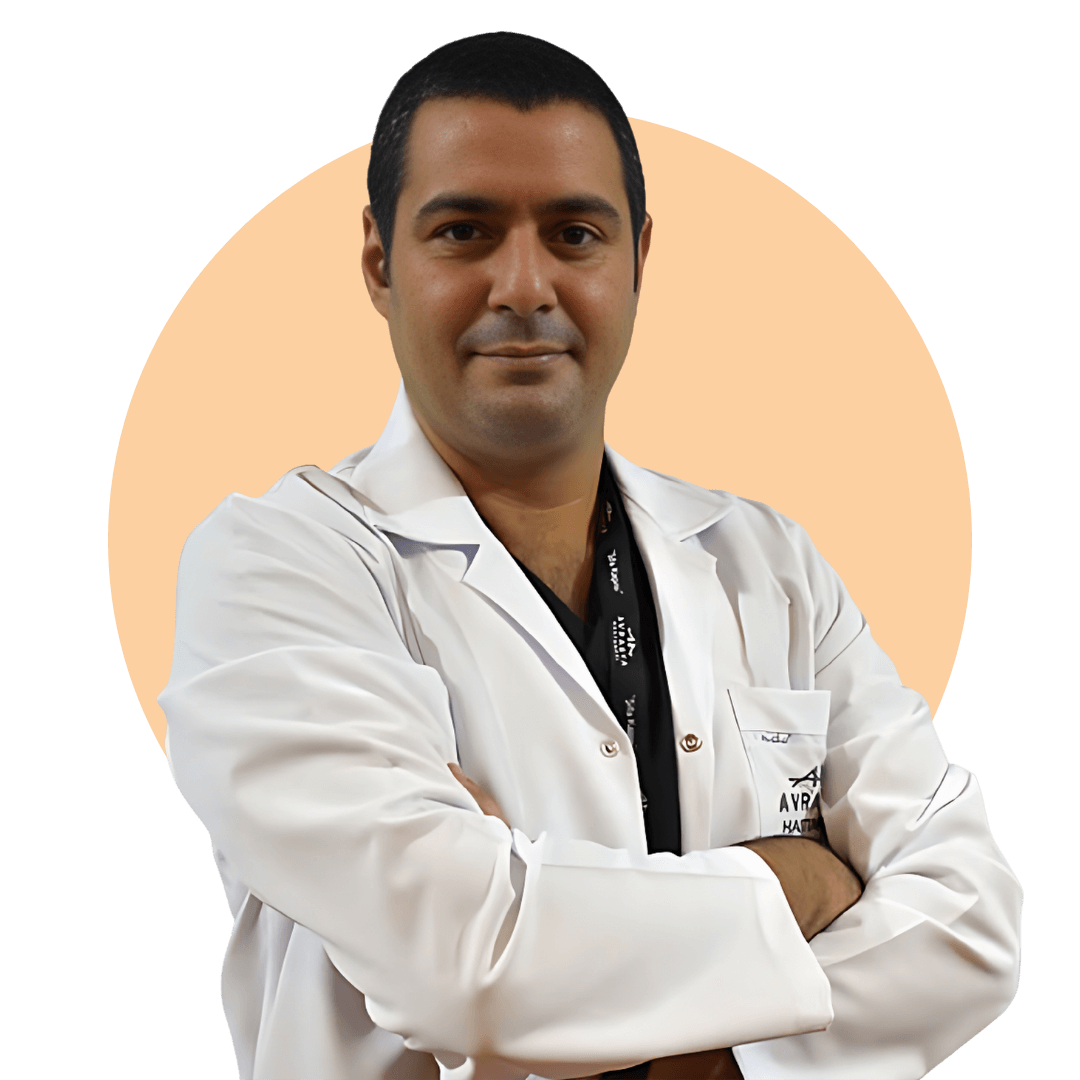
Dr. Akin Ünal
General Surgeon
BIOGRAPHY
He was born in Istanbul in 1982. He graduated from Kocaeli University, Faculty of Medicine. In 2012, he worked as an emergency medical assistant at Taksim First Aid EAH.
Between 2013-2018, he specialized in general surgery at Haseki EAH. Then, between 2018-2020, he completed his compulsory service at Bitlis Tatvan State Hospital. Since 2020, with Dr. Hasan Lice, they have worked with the Sava team for bariatric surgeries. He is married and has two kids.
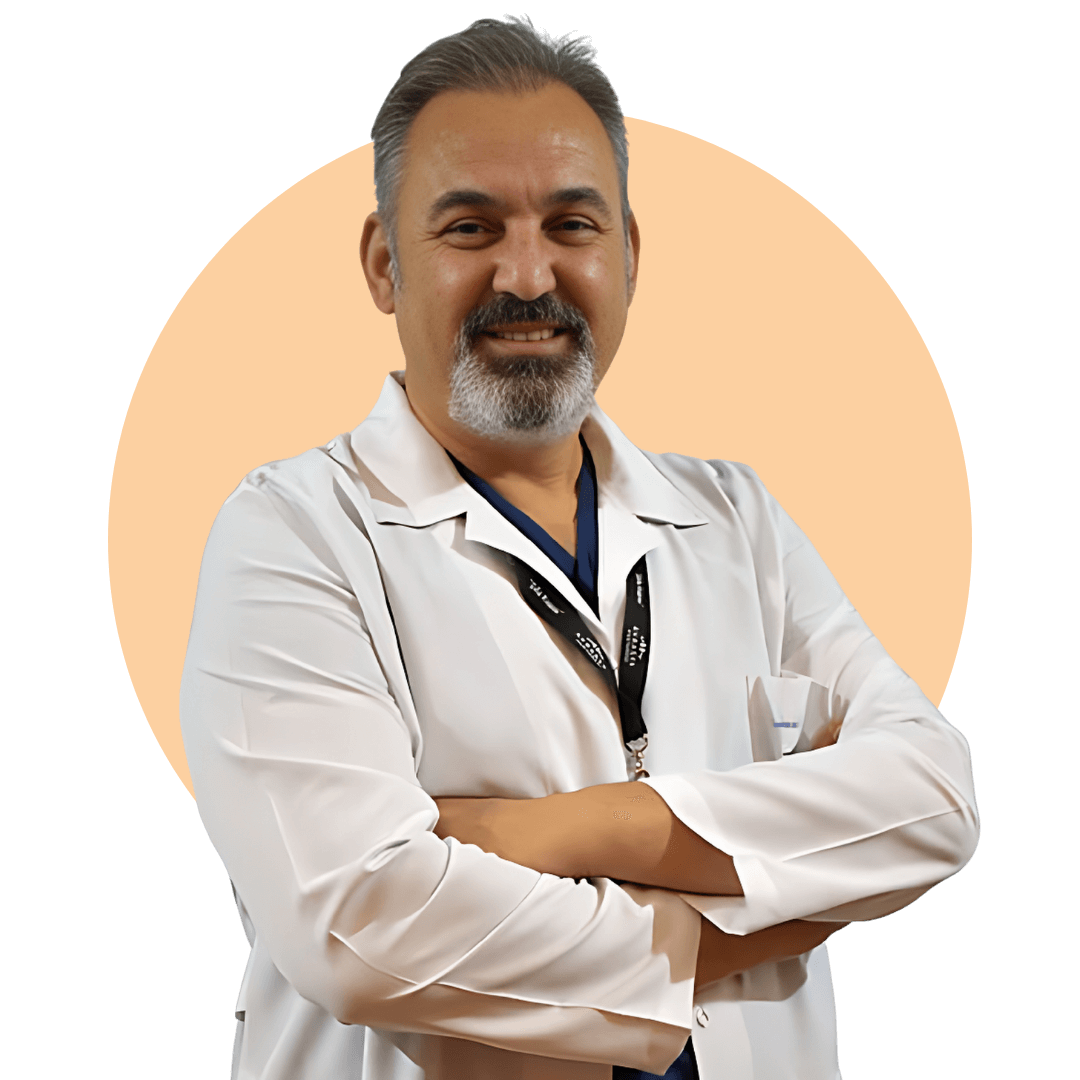
Dr. Hasan Lice
General Surgeon
BIOGRAPHY
He was born in 1967 in Istanbul. He completed primary, secondary, and high school in Istanbul. He graduated from Capa Medical Faculty in 1993.He worked as an assistant at Taksim Training and Research Hospital between 1994-1998. Between 1998 and 2012, he served on diagnosis and therapeutic solutions in General Surgery, Cancer Surgery, Laparoscopy Surgery, and Endoscopy in the 2nd Surgery Clinic at Haseki Training and Research Hospital. He is married and has 2 children. He speaks Turkish and English.
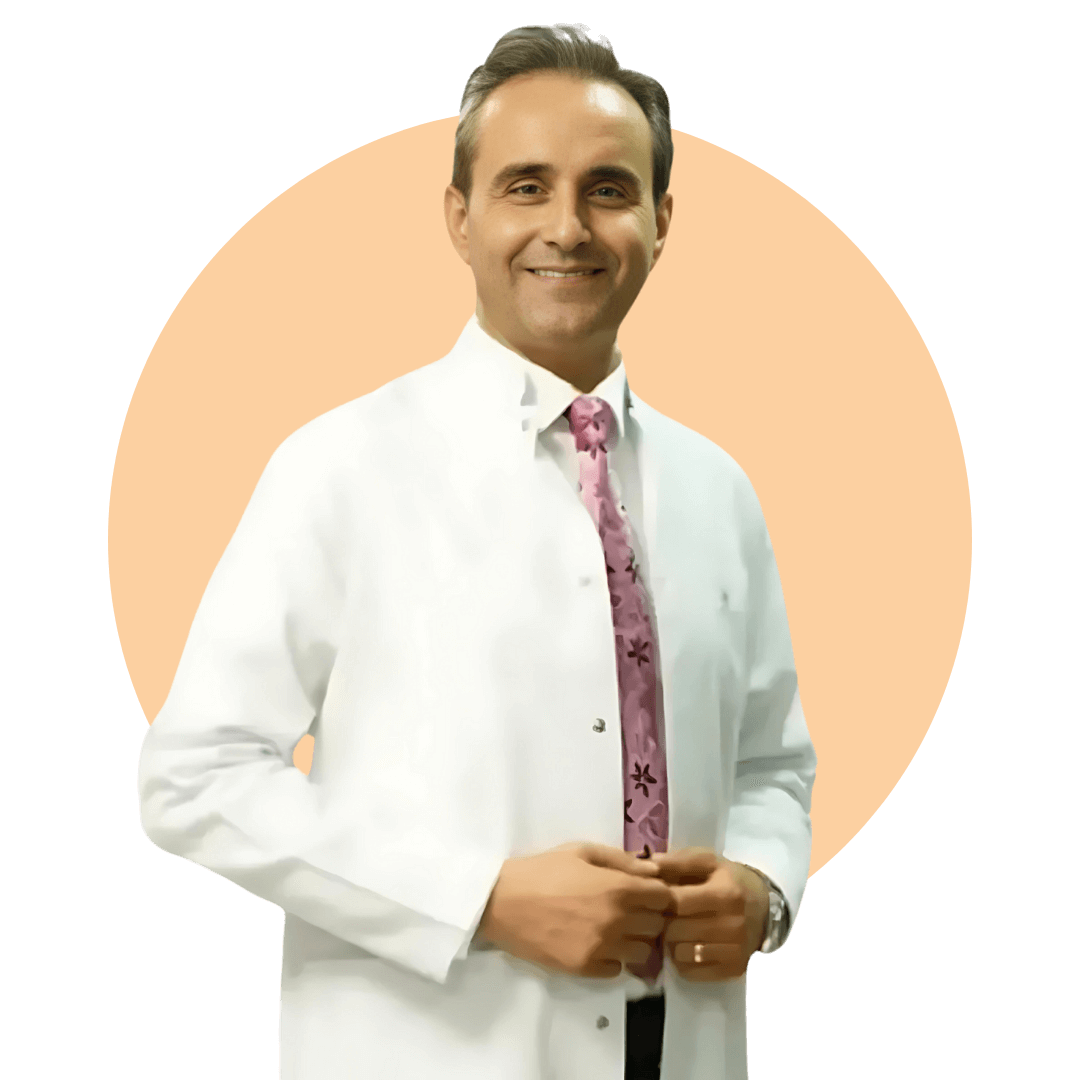
Prof.Dr. Hanifi Onalan
General Surgeon Assoc.
BIOGRAPHY
Education ;1992-1998 Istanbul University Faculty of Medicine1999-2004 Taksim Training and Research Hospital General Surgery Clinic Medical fields;Obesity treatment (Gastric balloon, Gastric Sleeve, Gastric Bypass, Gastric Botox)Gallbladder and bile duct surgeryBreast diseases and Breast surgeryAnal system diseases and surgery (haemorrhoids, anal fissure, perianal abscess and fistula surgery)Thyroid diseases and surgical treatmentHernia surgery (open and laparoscopic) (groin, umbilical, wound hernias)Colon, rectum, stomach diseases and surgical treatmentEndoscopic diagnosis and treatment interventions (gastroscopy, colonoscopy, ERCP, peg)Memberships;Turkish Surgery AssociationNational Association of Trauma and Emergency SurgeryTurkish Medical AssociationTOSS ( Turkish Bariatric Surgery Association )IFSO (International Federation for the Surgery of obesity and Metabolic disorders )Publications ;Can Postoperative Adhesions Be Prevented? The Effect of COX-2 Selective Inhibitor Rofecoxib on Intraabdominal Adhesion Model Experimental Study 19(4):145-149, 2005 Journal of Contemporary Surgery 2005 Osman YÜCEL, Yücel YANKOL, Ferda NİHAT KOKSOY, Hanifi ÖNALAN, Pelin AKBABA, Ayşenur AKYILDIZ İĞDEM Research Hospital 2nd General Surgery Clinic* and Pathology Laboratory**, IstanbulTractotomy and omentoplasty in a case of hepatic gunshot wounds A regional trauma and emergency surgery congress (international participation) 2001 A.Çelik, H. Önalan, N. Mecit, M.Er, O. YücelParenteral nutrition in patients undergoing resection for gis malignancies, early results National Surgery Congress 2002 Dr Demiray, Dr D.Gönüllü, Dr.H. Önalan, Dr S.Bilgiç, Dr F.N.Köksoy, Dr O.Yücel

Mehmet Köksal
Aesthetic Surgeon
BIOGRAPHY
He was born in Samsun in 1978. After graduating from Faculty of Medicine (Çapa Medicine) of the Istanbul University in 2003, he completed his 6-year residency training at Şişli, Etfal Training and Research Hospital Plastic Surgery Clinic and became a Plastic Reconstructive and Aesthetic Surgery Specialist.In 2008, he received training from world-renowned surgeons at the University of Plastic Surgery Clinic in the New York, United States and participated the surgeries together with the doctors from New York.He attended courses and congresses about topics such as Breast Aesthetics, Abdominal Aesthetics, Liposuction, Buttock Aesthetics, Rhinoplasty, Facial rejuvenation, Botox and Fillers.Between 2010 and 2012, he worked at the Plastic Surgery Clinic of Ahi Evran University Kırşehir State Hospital. Kırşehir has carried out many surgeries and innovations that could not be done before in its history.It constantly improves itself by participating in congresses and meetings at homecountry and abroad every year.Op.Dr.Mehmet Köksal still works in a Private Clinic in Istanbul.He is a member of Turkish Medical Association, Turkish Plastic Reconstructive and Aesthetic Surgery Association and Aesthetic Plastic Surgery Association.
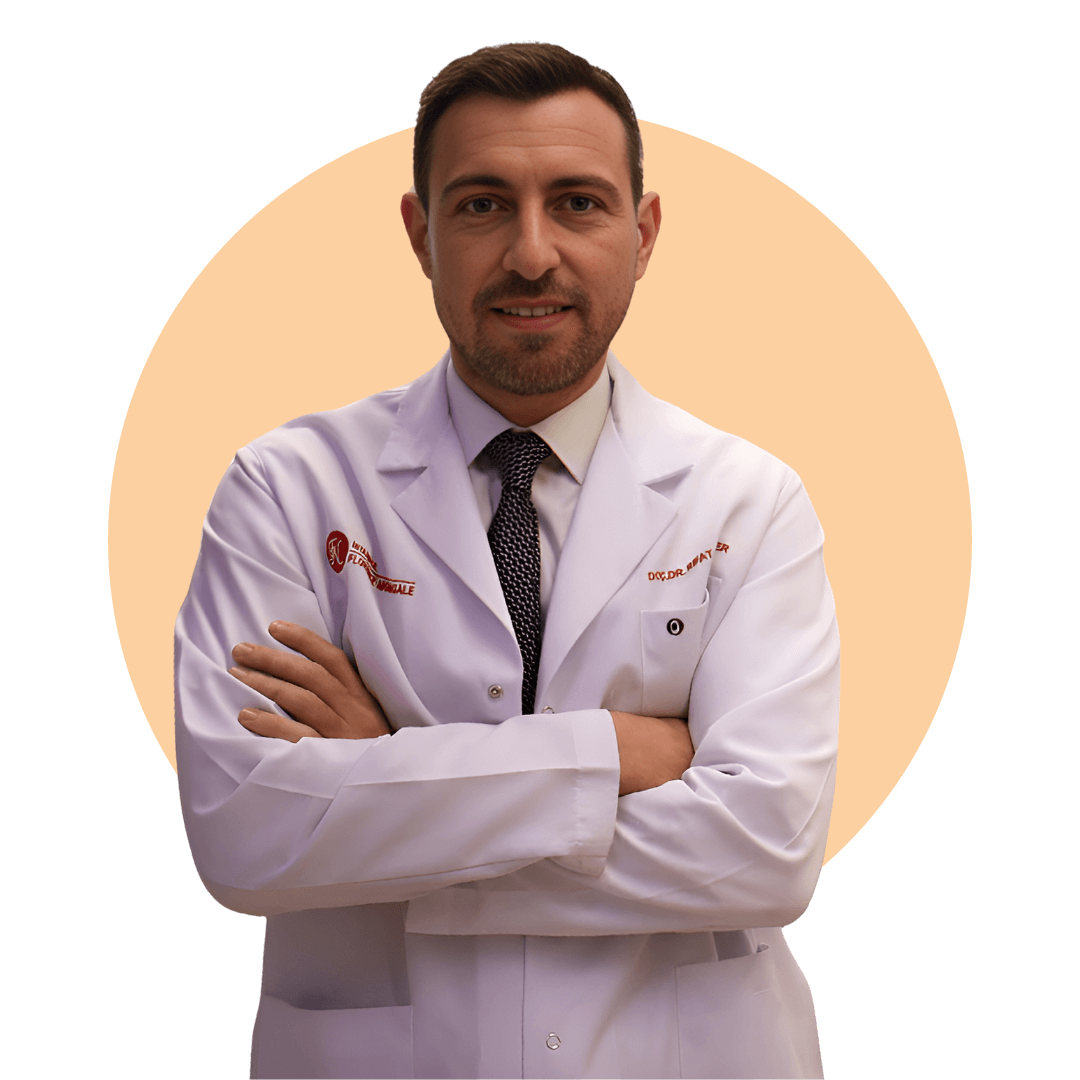
Prof. Dr. Rıfat Rasier
MD
BIOGRAPHY
During his medical education and specialization in ophthalmology, he attended Louisiana State University School of Medicine in the United States, Stadtisches Klinikum Kemperhof in Koblenz, Germany, and The Western Eye Hospital, Imperial College in England. In 2007, he received medical equivalence from the General Medical Council of England and became a fully registered doctor in England.
In addition to his ophthalmology education, he completed a master's program in Biomedical Engineering at Boğaziçi University in 2009.
Continuing his career development without slowing down, Rasier completed his specialization in Ophthalmology at Bilim University in 2010.
He fulfilled his mandatory service at Kırklareli State Hospital in 2012.
He attained the title of "Associate Professor" in the Department of Ophthalmology in 2016. He completed his PhD in Biomedical Engineering at Boğaziçi University with a 4.0 GPA in 2017.
As a result of his work at the Biomedical Engineering Laboratory of Boğaziçi University, Rıfat Rasier developed a procedure for laser-welding incisions in the transparent layer of the eye during cataract surgery, thereby closing the incision without the need for sutures. Current cataract surgeries either leave incisions open or suture them. Laser tissue welding experiments yielded positive results in closing incisions without stitches, reducing infection risks and shortening operation times.
This work by Rıfat Rasier was published in an international book titled "Infrared Lasers for Corneal Tissue Welding."
Awards Received:
Best Publication Award, Turkish Journal of Ophthalmology, 2010: "Corneal Tissue Welding with Infrared Lasers of Different Wavelengths in Transparent Corneal Sections."
Best Publication Award, Turkish Journal of Ophthalmology, 2011: "VEGF and IL-8 Levels in Vitreous Fluid in Proliferative Vitreoretinopathy Resulting from Rhegmatogenous Retinal Detachment."
JCI Ten Outstanding Young Persons of Turkey Award, First Prize in Medical and Medical Inventions, 2010.
Ministry of Industry, Teknogirişim Project Support, 2010.
Prof. Dr. Necati Tanyolaç Award for Projects and Research in Biomedical Engineering and Technologies during Master's or Doctorate Studies, 2017.
Second Prize for Best Scientific Poster, Turkish Ophthalmology Association National Congress, 2017. Academic Publications:
A. Number of articles published in international refereed journals: 22
B. Number of papers presented at international scientific meetings and published in proceedings: 10
C. Number of articles published in national refereed journals: 25
D. Number of papers presented at national scientific meetings and published in proceedings: 91
He fulfilled his mandatory service at Kırklareli State Hospital in 2012.
He attained the title of "Associate Professor" in the Department of Ophthalmology in 2016. He completed his PhD in Biomedical Engineering at Boğaziçi University with a 4.0 GPA in 2017.
As a result of his work at the Biomedical Engineering Laboratory of Boğaziçi University, Rıfat Rasier developed a procedure for laser-welding incisions in the transparent layer of the eye during cataract surgery, thereby closing the incision without the need for sutures. Current cataract surgeries either leave incisions open or suture them. Laser tissue welding experiments yielded positive results in closing incisions without stitches, reducing infection risks and shortening operation times.
This work by Rıfat Rasier was published in an international book titled "Infrared Lasers for Corneal Tissue Welding."
Awards Received:
Best Publication Award, Turkish Journal of Ophthalmology, 2010: "Corneal Tissue Welding with Infrared Lasers of Different Wavelengths in Transparent Corneal Sections."
Best Publication Award, Turkish Journal of Ophthalmology, 2011: "VEGF and IL-8 Levels in Vitreous Fluid in Proliferative Vitreoretinopathy Resulting from Rhegmatogenous Retinal Detachment."
JCI Ten Outstanding Young Persons of Turkey Award, First Prize in Medical and Medical Inventions, 2010.
Ministry of Industry, Teknogirişim Project Support, 2010.
Prof. Dr. Necati Tanyolaç Award for Projects and Research in Biomedical Engineering and Technologies during Master's or Doctorate Studies, 2017.
Second Prize for Best Scientific Poster, Turkish Ophthalmology Association National Congress, 2017. Academic Publications:
A. Number of articles published in international refereed journals: 22
B. Number of papers presented at international scientific meetings and published in proceedings: 10
C. Number of articles published in national refereed journals: 25
D. Number of papers presented at national scientific meetings and published in proceedings: 91
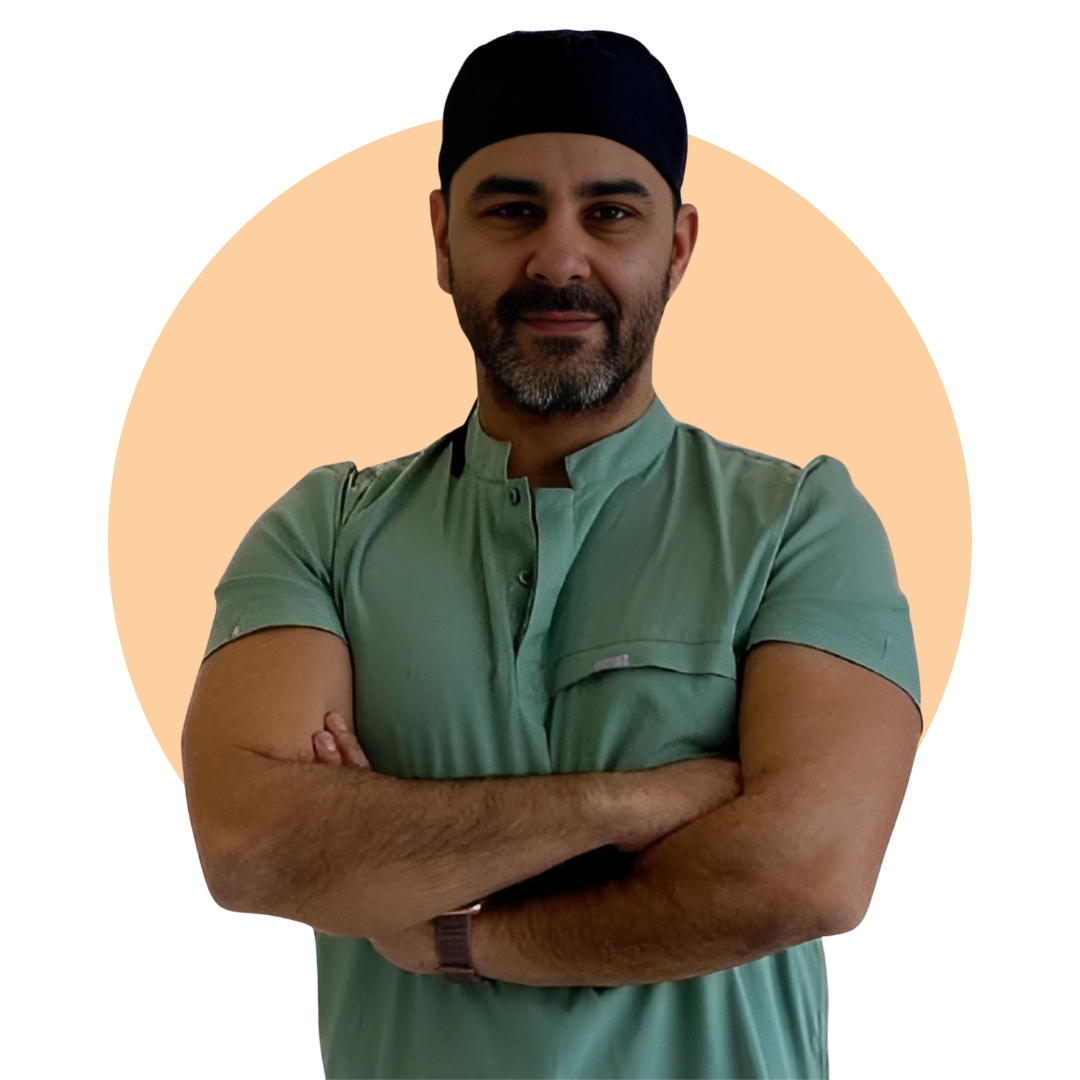
Çağrı Geridönmez
Medical Doctor
BIOGRAPHY
Dr. Cagrı Geridonmez was born in 1982 in Ankara, in the capital ofTurkey and is a graduate of medical faculty of Kirikkale University.In addition to his practice as a Chief Doctor in 2007 he obtained his medical degree and completed special medical program.Since he got his sertificate as a medical aesthetic he has performed more than 3500hair transplant operations in the one of the most well-known clinics ofTurkey.Currently he is managing a qualified medical team and performs hair restoration operations for patients from all countries of the world.Dr. Cagri’s interests also include improvement of hair loss treatment techniques and finding less invasive methods for hair transplant procedures.He participated in many local and international hair restoration surgery seminars and conferences. He received distinguishing certificates and diplomas for his valuable and well performed job.Now he is working on being a member of prominent international hair restoration organizations as İSHRS and ABHRS.In his spare time, Dr. Cagri enjoys to be engaged in sport activities, especially in motocross racing, car rally and Jiu-jitsu. He also enjoys being involved in different medical experiments on alternative medicine like acupuncture and bio resonance.Dr. Cagri’s passion is driven by the bonds he builds with his patients and the enjoyment he holds in providing high class medical service.
Contact us now
‘Take the opportunity to meet one-on-one with our specialised doctors. By contacting us, let’s plan the most suitable health solutions for you together.
Contact
Get support

24/7 Assistant
Our 24/7 support line is always with you to meet your needs and requests. Our expert team is ready to help you in the best way.

Get in touch with us
Reach out to us anytime to discover how our dedicated team can provide comprehensive assistance, address your concerns, and ensure a seamless experience tailored specifically to your unique requirements.

Redefine Your Health and Beauty at Sava Clinic
We exist to research, produce and apply the best solutions for you in the field of medicine and health. Reliability, complete personalization, distinction, teamwork and passionate work permeate the entire team behind Sava Medical Group.

5/5 Google

4.9/5 TrustPilot