



Cardiology is a specialized branch of medicine focused on the diagnosis, treatment, and management of heart and vascular diseases. It encompasses the study of cardiovascular conditions, their causes, symptoms, advanced diagnostic techniques, and cutting-edge treatment options to ensure optimal heart health.
What is Cardiology?
Cardiology is the branch of medicine that provides diagnosis, treatment and follow-up of heart and vascular diseases. Cardiologists evaluate and manage many serious diseases such as heart attacks, arrhythmias, heart failure, atherosclerosis, hypertension and valvular heart disease.
What diseases do cardiologists treat or help you prevent?
Cardiologists specialise in the diagnosis and treatment of a wide range of diseases related to the cardiovascular system. Cardiovascular health is a critical factor that directly affects quality of life, and with early diagnosis and correct treatment, serious complications can be avoided.
Here are the main cardiovascular diseases that cardiologists treat:
- Atherosclerosis (Arteriosclerosis): The formation of narrowing and obstruction as a result of fat and cholesterol accumulation on the inner surface of the vessels.
- Hypertension (High Blood Pressure): A common disease that increases the risk of heart disease and stroke when not controlled.
- Hyperlipidaemia (High Cholesterol): A condition that increases the risk of heart attack and stroke by causing vascular occlusion.
- Angina (chest pain): A feeling of pressure and pain caused by insufficient oxygen supply to the heart muscle.
- Cardiac Arrest (Sudden Cardiac Arrest): Sudden and unexpected stop of the heart. Requires urgent medical intervention.
- Heart Failure: A serious disease that develops as a result of the heart’s inability to pump enough blood to the body.
- Heart Attack (Myocardial Infarction): A condition that occurs when there is not enough oxygen to the heart muscle as a result of blockage of the coronary arteries.
- Blood Clots: Can block blood vessels and increase the risk of stroke or heart attack.
- Arrhythmias (Rhythm Disorders): Irregular heartbeats such as atrial fibrillation and other rhythm disorders.
- Endocarditis: Inflammation of the inner lining of the heart as a result of infection.
- Cardiogenic Shock: The risk of organ failure as a result of the heart’s inability to pump enough blood to the body.
- Heart Valve Diseases: Disturbances in blood flow due to valve stenosis or insufficiency.
- Congenital (Congenital) Heart Diseases: Heart anomalies that exist from birth.
- Cardiomyopathy: Conditions that develop as a result of thickening or weakening of the heart muscle.
- Myocarditis: Inflammation of the heart muscle due to infection or autoimmune reaction.
- Pericardial Diseases: Problems with the pericardium such as pericarditis.
- Aortic Diseases: Life-threatening conditions such as aortic aneurysm and stenosis.
- Peripheral Artery Diseases: Blockages affecting the arm, leg, kidney and brain vessels.
- Stroke (Stroke): A serious condition caused by blockage or haemorrhage in the vessels leading to the brain.
It is of great importance to consult cardiology specialists for early diagnosis, effective treatment and regular follow-up of cardiovascular diseases. Do not neglect your regular check-ups for a healthy life!
What kinds of tests does a cardiologist do?
Cardiologists use various tests and imaging techniques to diagnose, monitor, and treat heart and vascular conditions effectively. While some of these tests are directly ordered by a cardiologist, others may be performed by specialized healthcare professionals.
Here are the key diagnostic tests and procedures commonly used in cardiology:
- Cardiac Catheterization: An invasive procedure used to examine the coronary arteries, measure blood flow, and identify blockages in the heart vessels.
- Chest X-ray: A basic imaging method to assess the structure of the heart, lungs, and chest cavity.
- Blood Tests: Performed to evaluate cardiac enzyme levels, cholesterol, inflammation markers, and other biochemical indicators related to heart health.
- Heart MRI (Magnetic Resonance Imaging): Provides detailed images of the heart’s tissues, vessels, and function to diagnose structural or functional abnormalities.
- Cardiac CT (Computed Tomography): A high-resolution imaging technique used to create 3D views of the coronary arteries and other vessels.
- Coronary Angiogram: The gold standard for identifying blockages and narrowing in coronary arteries through specialized imaging.
- Stress Tests: Assess how the heart performs under physical exertion or pharmacological stimulation to evaluate blood flow and detect abnormalities.
- Electrocardiogram (ECG or EKG): Records the electrical activity of the heart to diagnose arrhythmias and other cardiac irregularities.
- Echocardiogram (Echo): Utilizes ultrasound technology to visualize the movement, valves, and chambers of the heart in real time.
- Transesophageal Echocardiogram (TEE): A specialized echocardiogram performed through the esophagus to obtain clearer images of the heart’s structure.
- Holter Monitor: A portable device used to continuously record heart rhythms over 24-48 hours.
- Event Monitor: A portable device designed to capture intermittent arrhythmias and other irregularities over an extended period.
- Implantable Event Recorder/Loop Recorder: A small device placed under the skin to monitor and record heart rhythms over months or even years.
These diagnostic tools allow cardiologists to thoroughly evaluate heart health and develop personalized treatment plans. Regular checkups and timely testing are essential for maintaining cardiovascular health and preventing severe conditions.
When should you see a cardiologist?
When your primary care provider identifies a potential issue with your heart or vascular system, they may refer you to a cardiologist for a more comprehensive evaluation. Cardiologists specialize in diagnosing and managing heart and vascular conditions, and they can closely monitor your health over time. This specialized care is crucial for early detection of heart diseases and for determining the most effective treatment options. A cardiologist will consider your overall health, create a long-term care plan, and provide continuous monitoring of your condition.
If you experience any of the following symptoms, it is advisable to seek a cardiological evaluation, as these signs may indicate a serious cardiovascular issue that requires prompt attention:
- Chest Pain: Often associated with acute conditions such as heart attacks, chest pain is a critical symptom that necessitates immediate assessment.
- Dizziness: Sudden dizziness may result from heart rhythm disturbances or low blood pressure and should be evaluated by a cardiologist.
- Shortness of Breath: Difficulty breathing could be a sign of heart failure or other cardiovascular problems and warrants careful examination.
- Heart Palpitations: Irregular heartbeats or palpitations may indicate arrhythmias or other heart conditions, requiring professional evaluation.
Cardiologists aim to diagnose the root cause of these symptoms and provide treatment options that prioritize your health while minimizing unnecessary interventions. Early intervention is essential to prevent complications and protect your heart health.
Cardiology frequently asked questions
What is a cardiology test for?
An electrocardiogram (ECG) is a quick, painless test that measures the electrical activity of your heart. It helps detect any issues with your heart’s rhythm or rate and typically takes 5-10 minutes to complete.
When should I see a cardiologist?
High blood pressure, abnormal heartbeat, dizziness or fainting, a strong family history of heart disease, or cardiac death at an early age.
What is the difference between ECG and cardiology?
While an ECG uses electrodes to detect the heart’s electrical impulses, echocardiography uses ultrasound to examine the structure of the heart.

Doctors
Get ready to meet our physician staff, each of whom is an expert in their own branch and stands out with years of experience and success. Our physicians, who adopt the best practices of modern medicine, to whom you can safely entrust your health, are here to offer special solutions for your individual needs.
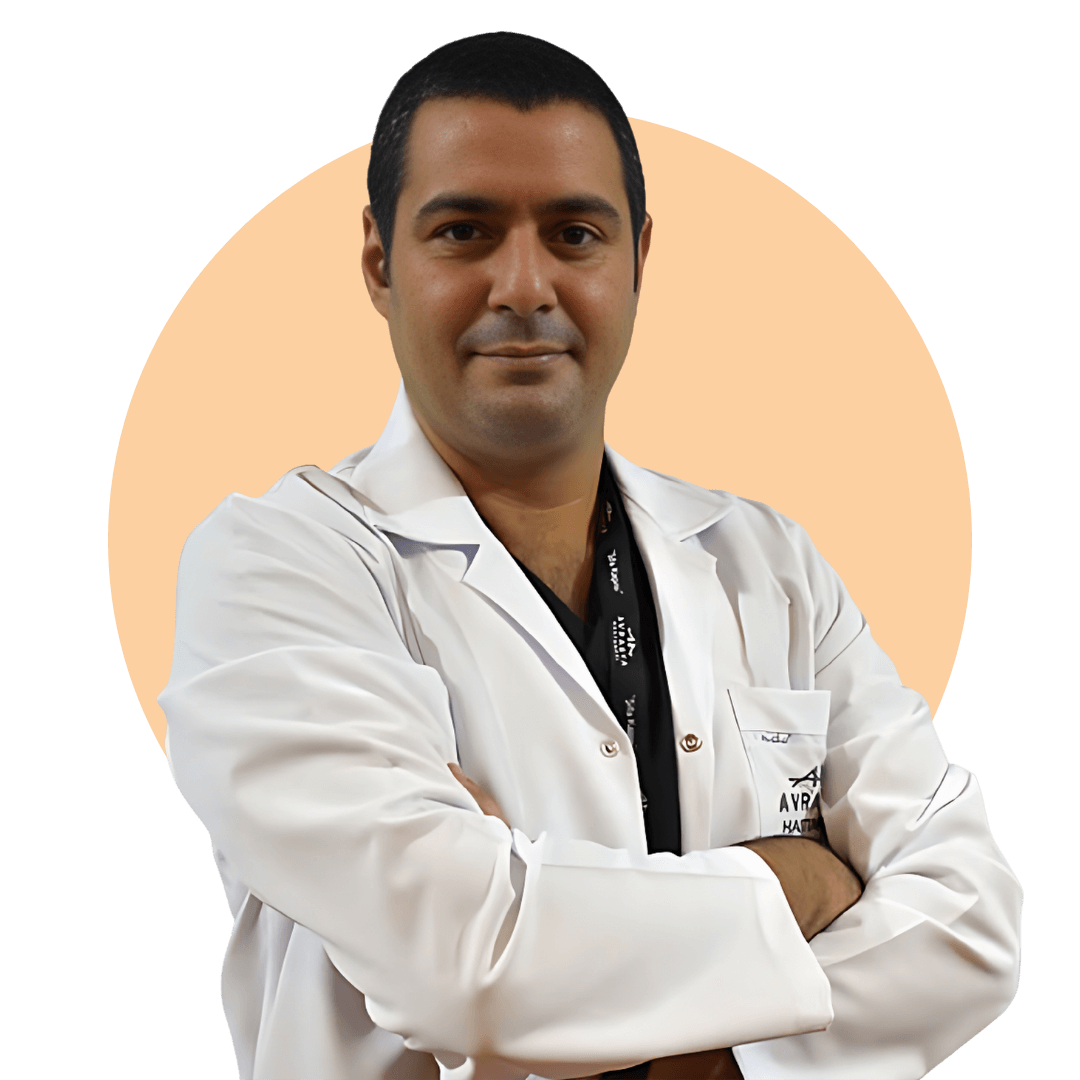
Dr. Akin Ünal
General Surgeon
BIOGRAPHY
He was born in Istanbul in 1982. He graduated from Kocaeli University, Faculty of Medicine. In 2012, he worked as an emergency medical assistant at Taksim First Aid EAH.
Between 2013-2018, he specialized in general surgery at Haseki EAH. Then, between 2018-2020, he completed his compulsory service at Bitlis Tatvan State Hospital. Since 2020, with Dr. Hasan Lice, they have worked with the Sava team for bariatric surgeries. He is married and has two kids.
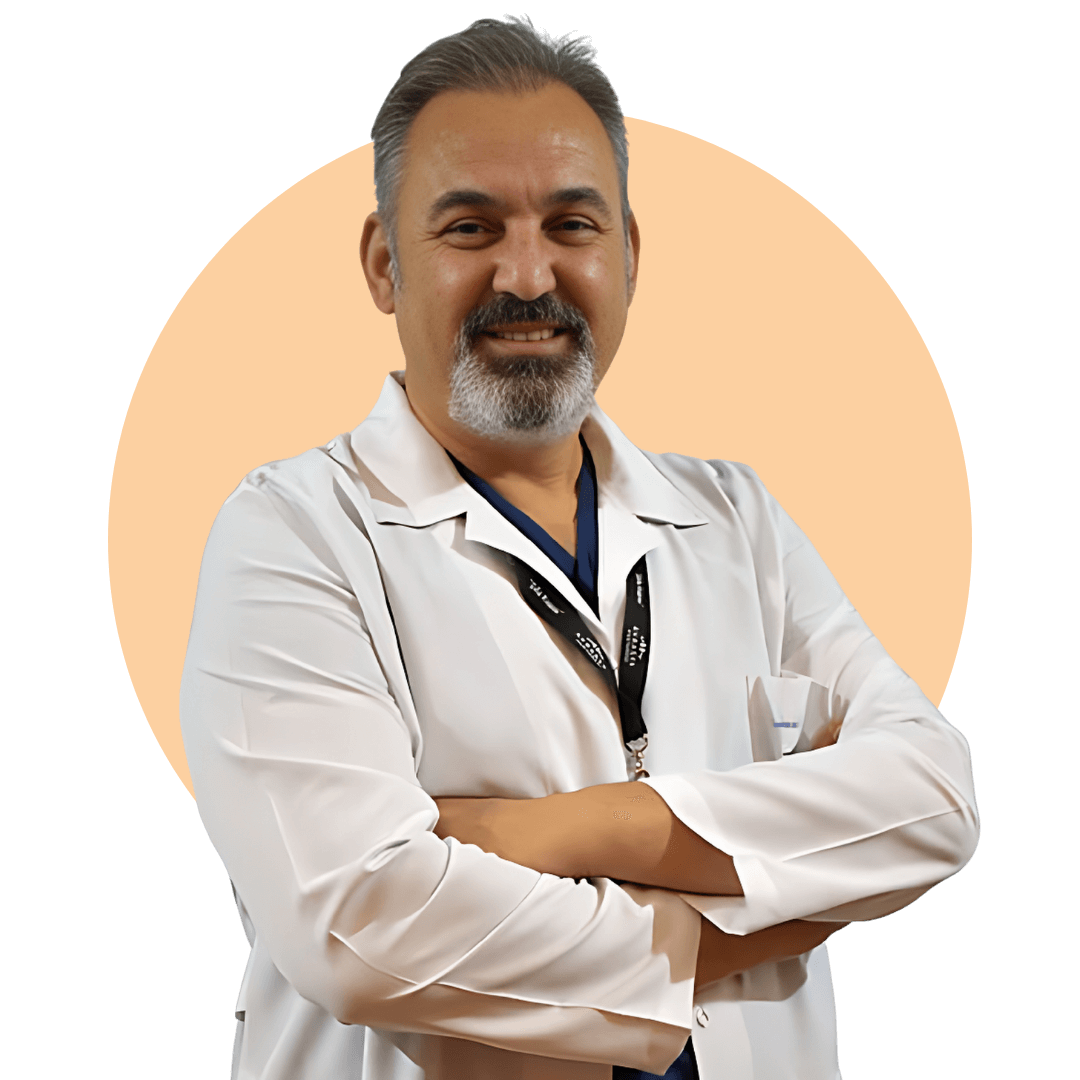
Dr. Hasan Lice
General Surgeon
BIOGRAPHY
He was born in 1967 in Istanbul. He completed primary, secondary, and high school in Istanbul. He graduated from Capa Medical Faculty in 1993.He worked as an assistant at Taksim Training and Research Hospital between 1994-1998. Between 1998 and 2012, he served on diagnosis and therapeutic solutions in General Surgery, Cancer Surgery, Laparoscopy Surgery, and Endoscopy in the 2nd Surgery Clinic at Haseki Training and Research Hospital. He is married and has 2 children. He speaks Turkish and English.
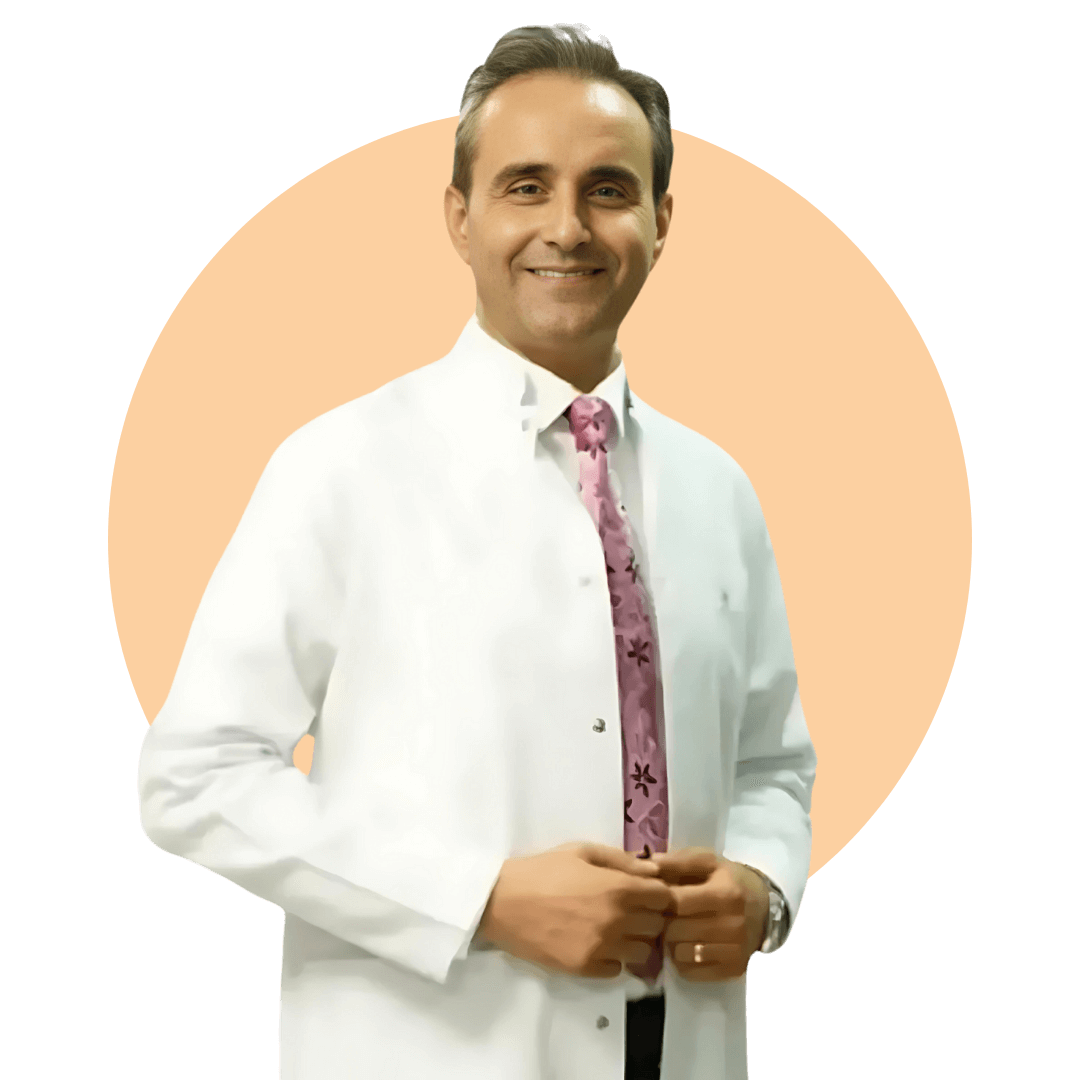
Prof.Dr. Hanifi Onalan
General Surgeon Assoc.
BIOGRAPHY
Education ;1992-1998 Istanbul University Faculty of Medicine1999-2004 Taksim Training and Research Hospital General Surgery Clinic Medical fields;Obesity treatment (Gastric balloon, Gastric Sleeve, Gastric Bypass, Gastric Botox)Gallbladder and bile duct surgeryBreast diseases and Breast surgeryAnal system diseases and surgery (haemorrhoids, anal fissure, perianal abscess and fistula surgery)Thyroid diseases and surgical treatmentHernia surgery (open and laparoscopic) (groin, umbilical, wound hernias)Colon, rectum, stomach diseases and surgical treatmentEndoscopic diagnosis and treatment interventions (gastroscopy, colonoscopy, ERCP, peg)Memberships;Turkish Surgery AssociationNational Association of Trauma and Emergency SurgeryTurkish Medical AssociationTOSS ( Turkish Bariatric Surgery Association )IFSO (International Federation for the Surgery of obesity and Metabolic disorders )Publications ;Can Postoperative Adhesions Be Prevented? The Effect of COX-2 Selective Inhibitor Rofecoxib on Intraabdominal Adhesion Model Experimental Study 19(4):145-149, 2005 Journal of Contemporary Surgery 2005 Osman YÜCEL, Yücel YANKOL, Ferda NİHAT KOKSOY, Hanifi ÖNALAN, Pelin AKBABA, Ayşenur AKYILDIZ İĞDEM Research Hospital 2nd General Surgery Clinic* and Pathology Laboratory**, IstanbulTractotomy and omentoplasty in a case of hepatic gunshot wounds A regional trauma and emergency surgery congress (international participation) 2001 A.Çelik, H. Önalan, N. Mecit, M.Er, O. YücelParenteral nutrition in patients undergoing resection for gis malignancies, early results National Surgery Congress 2002 Dr Demiray, Dr D.Gönüllü, Dr.H. Önalan, Dr S.Bilgiç, Dr F.N.Köksoy, Dr O.Yücel

Mehmet Köksal
Aesthetic Surgeon
BIOGRAPHY
He was born in Samsun in 1978. After graduating from Faculty of Medicine (Çapa Medicine) of the Istanbul University in 2003, he completed his 6-year residency training at Şişli, Etfal Training and Research Hospital Plastic Surgery Clinic and became a Plastic Reconstructive and Aesthetic Surgery Specialist.In 2008, he received training from world-renowned surgeons at the University of Plastic Surgery Clinic in the New York, United States and participated the surgeries together with the doctors from New York.He attended courses and congresses about topics such as Breast Aesthetics, Abdominal Aesthetics, Liposuction, Buttock Aesthetics, Rhinoplasty, Facial rejuvenation, Botox and Fillers.Between 2010 and 2012, he worked at the Plastic Surgery Clinic of Ahi Evran University Kırşehir State Hospital. Kırşehir has carried out many surgeries and innovations that could not be done before in its history.It constantly improves itself by participating in congresses and meetings at homecountry and abroad every year.Op.Dr.Mehmet Köksal still works in a Private Clinic in Istanbul.He is a member of Turkish Medical Association, Turkish Plastic Reconstructive and Aesthetic Surgery Association and Aesthetic Plastic Surgery Association.
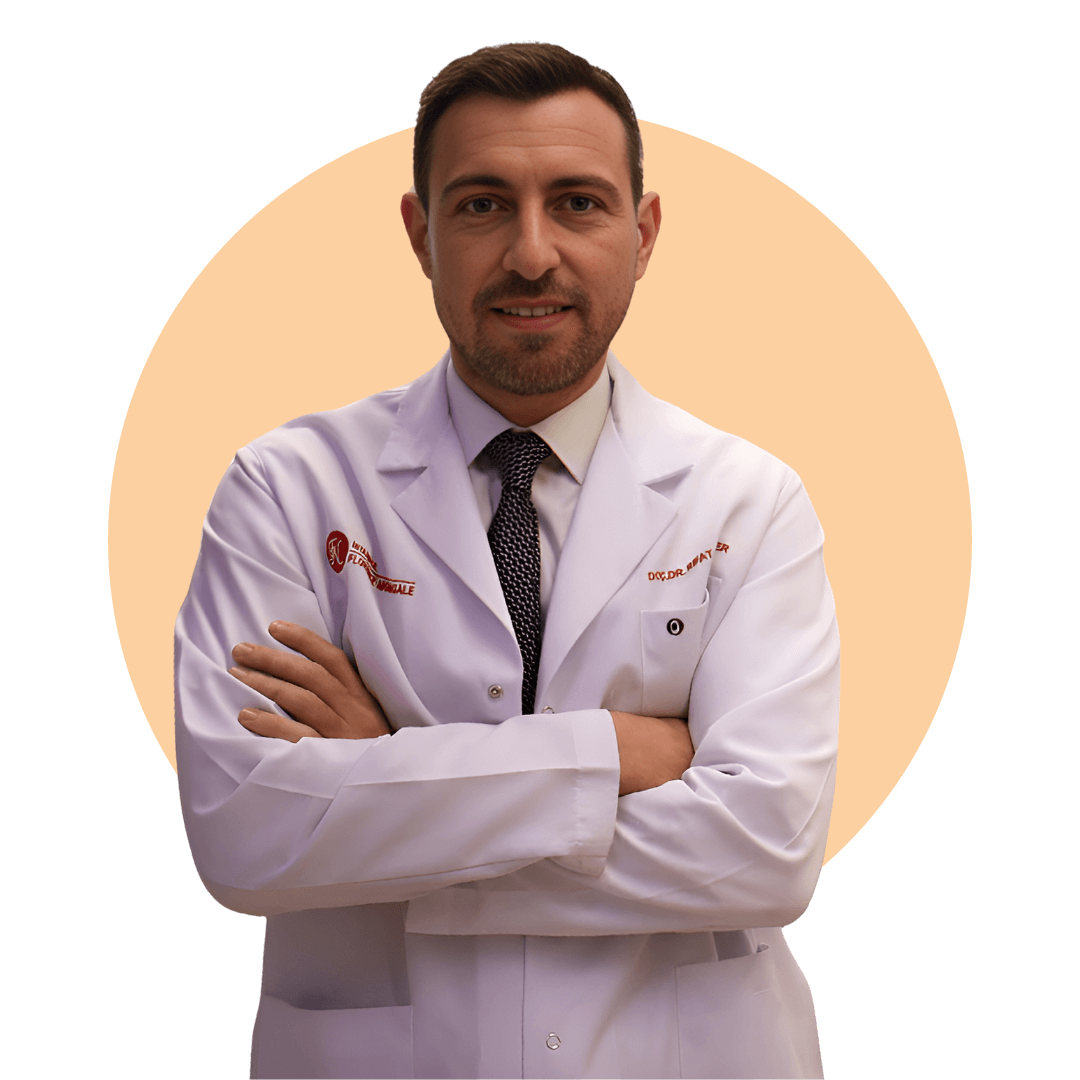
Prof. Dr. Rıfat Rasier
MD
BIOGRAPHY
During his medical education and specialization in ophthalmology, he attended Louisiana State University School of Medicine in the United States, Stadtisches Klinikum Kemperhof in Koblenz, Germany, and The Western Eye Hospital, Imperial College in England. In 2007, he received medical equivalence from the General Medical Council of England and became a fully registered doctor in England.
In addition to his ophthalmology education, he completed a master's program in Biomedical Engineering at Boğaziçi University in 2009.
Continuing his career development without slowing down, Rasier completed his specialization in Ophthalmology at Bilim University in 2010.
He fulfilled his mandatory service at Kırklareli State Hospital in 2012.
He attained the title of "Associate Professor" in the Department of Ophthalmology in 2016. He completed his PhD in Biomedical Engineering at Boğaziçi University with a 4.0 GPA in 2017.
As a result of his work at the Biomedical Engineering Laboratory of Boğaziçi University, Rıfat Rasier developed a procedure for laser-welding incisions in the transparent layer of the eye during cataract surgery, thereby closing the incision without the need for sutures. Current cataract surgeries either leave incisions open or suture them. Laser tissue welding experiments yielded positive results in closing incisions without stitches, reducing infection risks and shortening operation times.
This work by Rıfat Rasier was published in an international book titled "Infrared Lasers for Corneal Tissue Welding."
Awards Received:
Best Publication Award, Turkish Journal of Ophthalmology, 2010: "Corneal Tissue Welding with Infrared Lasers of Different Wavelengths in Transparent Corneal Sections."
Best Publication Award, Turkish Journal of Ophthalmology, 2011: "VEGF and IL-8 Levels in Vitreous Fluid in Proliferative Vitreoretinopathy Resulting from Rhegmatogenous Retinal Detachment."
JCI Ten Outstanding Young Persons of Turkey Award, First Prize in Medical and Medical Inventions, 2010.
Ministry of Industry, Teknogirişim Project Support, 2010.
Prof. Dr. Necati Tanyolaç Award for Projects and Research in Biomedical Engineering and Technologies during Master's or Doctorate Studies, 2017.
Second Prize for Best Scientific Poster, Turkish Ophthalmology Association National Congress, 2017. Academic Publications:
A. Number of articles published in international refereed journals: 22
B. Number of papers presented at international scientific meetings and published in proceedings: 10
C. Number of articles published in national refereed journals: 25
D. Number of papers presented at national scientific meetings and published in proceedings: 91
He fulfilled his mandatory service at Kırklareli State Hospital in 2012.
He attained the title of "Associate Professor" in the Department of Ophthalmology in 2016. He completed his PhD in Biomedical Engineering at Boğaziçi University with a 4.0 GPA in 2017.
As a result of his work at the Biomedical Engineering Laboratory of Boğaziçi University, Rıfat Rasier developed a procedure for laser-welding incisions in the transparent layer of the eye during cataract surgery, thereby closing the incision without the need for sutures. Current cataract surgeries either leave incisions open or suture them. Laser tissue welding experiments yielded positive results in closing incisions without stitches, reducing infection risks and shortening operation times.
This work by Rıfat Rasier was published in an international book titled "Infrared Lasers for Corneal Tissue Welding."
Awards Received:
Best Publication Award, Turkish Journal of Ophthalmology, 2010: "Corneal Tissue Welding with Infrared Lasers of Different Wavelengths in Transparent Corneal Sections."
Best Publication Award, Turkish Journal of Ophthalmology, 2011: "VEGF and IL-8 Levels in Vitreous Fluid in Proliferative Vitreoretinopathy Resulting from Rhegmatogenous Retinal Detachment."
JCI Ten Outstanding Young Persons of Turkey Award, First Prize in Medical and Medical Inventions, 2010.
Ministry of Industry, Teknogirişim Project Support, 2010.
Prof. Dr. Necati Tanyolaç Award for Projects and Research in Biomedical Engineering and Technologies during Master's or Doctorate Studies, 2017.
Second Prize for Best Scientific Poster, Turkish Ophthalmology Association National Congress, 2017. Academic Publications:
A. Number of articles published in international refereed journals: 22
B. Number of papers presented at international scientific meetings and published in proceedings: 10
C. Number of articles published in national refereed journals: 25
D. Number of papers presented at national scientific meetings and published in proceedings: 91
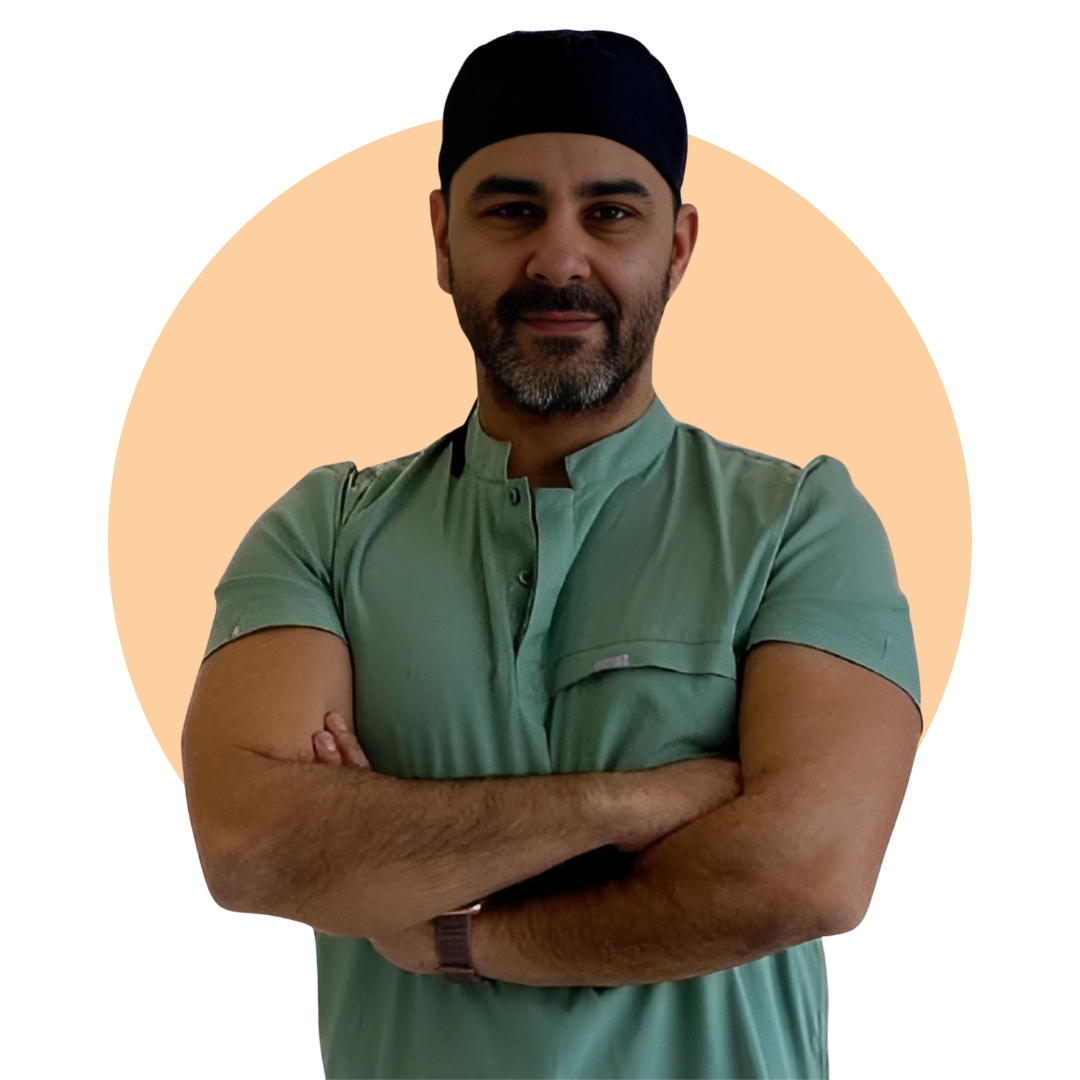
Çağrı Geridönmez
Medical Doctor
BIOGRAPHY
Dr. Cagrı Geridonmez was born in 1982 in Ankara, in the capital ofTurkey and is a graduate of medical faculty of Kirikkale University.In addition to his practice as a Chief Doctor in 2007 he obtained his medical degree and completed special medical program.Since he got his sertificate as a medical aesthetic he has performed more than 3500hair transplant operations in the one of the most well-known clinics ofTurkey.Currently he is managing a qualified medical team and performs hair restoration operations for patients from all countries of the world.Dr. Cagri’s interests also include improvement of hair loss treatment techniques and finding less invasive methods for hair transplant procedures.He participated in many local and international hair restoration surgery seminars and conferences. He received distinguishing certificates and diplomas for his valuable and well performed job.Now he is working on being a member of prominent international hair restoration organizations as İSHRS and ABHRS.In his spare time, Dr. Cagri enjoys to be engaged in sport activities, especially in motocross racing, car rally and Jiu-jitsu. He also enjoys being involved in different medical experiments on alternative medicine like acupuncture and bio resonance.Dr. Cagri’s passion is driven by the bonds he builds with his patients and the enjoyment he holds in providing high class medical service.
Contact us now
‘Take the opportunity to meet one-on-one with our specialised doctors. By contacting us, let’s plan the most suitable health solutions for you together.
Contact
Get support

24/7 Assistant
Our 24/7 support line is always with you to meet your needs and requests. Our expert team is ready to help you in the best way.

Get in touch with us
Reach out to us anytime to discover how our dedicated team can provide comprehensive assistance, address your concerns, and ensure a seamless experience tailored specifically to your unique requirements.

Redefine Your Health and Beauty at Sava Clinic
We exist to research, produce and apply the best solutions for you in the field of medicine and health. Reliability, complete personalization, distinction, teamwork and passionate work permeate the entire team behind Sava Medical Group.

5/5 Google

4.9/5 TrustPilot