



Gastric Balloon(Intragastric Balloon)
The intragastric balloon is inserted into the stomach via endoscopy, occupying space to promote a sense of fullness. This helps individuals reduce their food intake, making it easier to follow a healthier diet and achieve weight loss goals.

What is a gastric balloon?
The intragastric balloon is an innovative weight loss treatment designed to help individuals reduce their food intake by occupying space in the stomach. The procedure involves placing a deflated balloon into the stomach using an endoscopic method. Once in place, the balloon is filled with a saline solution, reducing the stomach’s capacity and promoting early satiety. This means patients feel full after consuming smaller meals. The balloon is not a permanent solution, however. For long-term weight loss, patients must adopt healthier dietary habits and commit to regular physical activity. By doing so, they can enhance the effectiveness of the treatment and achieve sustainable results. It’s important to note that while the balloon aids in controlling hunger, success ultimately depends on making lifestyle changes to maintain weight loss and improve overall health.
How is the gastric balloon inserted?
The intragastric balloon procedure begins after the patient undergoes eight hours of fasting. The patient is then sedated using sedoanalgesia, and the balloon is placed in the stomach through an endoscopy. Depending on the type of balloon used, it is inflated either with saline solution mixed with methylene blue or with air.
Typically, around 500 ml of liquid or air is used to inflate the balloon. As the balloon’s size increases, it creates a sense of fullness, but the tolerance can become more challenging. If there’s a leak in the balloon, the presence of methylene blue in the saline solution will cause the urine and feces to be colored blue, helping to identify any issues.
The procedure is designed to aid weight loss by reducing stomach capacity, but for it to be effective in the long term, the patient must commit to making healthy lifestyle changes, including maintaining a balanced diet and regular exercise.
Gastric balloon results
The gastric balloon is a non-surgical and minimally invasive weight loss intervention designed to promote early satiety and reduce caloric intake. By occupying space within the stomach, the balloon delays gastric emptying and alters hunger-regulating hormones—such as ghrelin—thereby helping patients feel full faster and remain satiated longer after meals. This makes it easier to reduce portion sizes and adopt healthier eating behaviors over time.
How It Works
The gastric balloon is made of smooth, medical-grade silicone and is placed into the stomach through the mouth using endoscopic guidance while the patient is under light sedation or anesthesia. Once correctly positioned in the stomach, the balloon is inflated with sterile saline (often tinted with methylene blue to aid in leak detection) or air, depending on the balloon type. The volume typically ranges around 500 mL. This space-occupying device partially fills the stomach, limiting its capacity and reducing the urge to overeat.
Health Benefits Beyond Weight Loss
Beyond its primary role in supporting significant and sustained weight loss, the gastric balloon can lead to meaningful improvements in numerous obesity-related medical conditions, including:
Cardiovascular Disease: Lowering blood pressure and improving lipid profiles.
Type 2 Diabetes: Enhancing glycemic control or, in some cases, contributing to remission.
Sleep Apnea: Reducing the severity or eliminating obstructive sleep apnea symptoms.
Gastroesophageal Reflux Disease (GERD): Decreasing acid reflux episodes.
Non-Alcoholic Fatty Liver Disease (NAFLD)/NASH: Improving liver function and reducing fat accumulation in the liver.
Joint and Musculoskeletal Pain: Alleviating pressure on weight-bearing joints, particularly in individuals with osteoarthritis.
Dermatological Conditions: Improving skin issues linked to obesity such as acanthosis nigricans and psoriasis.
Commitment to Lifestyle Change is Essential
While the gastric balloon serves as an effective tool to jumpstart weight loss, long-term success hinges on the patient’s dedication to lifestyle modification. Adopting a nutrient-rich, portion-controlled diet, engaging in regular physical activity, and attending follow-up care with healthcare providers are vital components of the overall weight management strategy.
Patients are typically supported by a multidisciplinary care team, including dietitians, psychologists, and bariatric specialists, to maximize success and maintain the results beyond the six-month to one-year period the balloon typically remains in place.
Gastric balloon surgery
The gastric balloon procedure, also known as intragastric balloon therapy, is a non-surgical weight loss method designed for individuals who struggle with obesity or excessive weight gain but prefer a less invasive approach than traditional bariatric surgery. This innovative treatment involves placing a medical-grade, silicone balloon into the stomach to help reduce its capacity and promote early satiety.
The procedure is typically performed using endoscopic techniques, which means there is no surgical incision. Instead, a thin, flexible tube with a camera (endoscope) is gently inserted through the mouth, guiding the deflated balloon into the stomach. Once in place, the balloon is filled with a sterile saline solution or air to occupy space in the stomach. The average fill volume is around 500 mL, which is sufficient to create a lasting sensation of fullness.
By limiting the amount of food the stomach can hold, the gastric balloon encourages patients to consume smaller meals and reduces the frequency of overeating. This helps create a calorie deficit, leading to gradual, controlled weight loss over several months.
The gastric balloon remains in the stomach for a period ranging from six months to one year, depending on the balloon type and treatment plan. During this time, patients work closely with a multidisciplinary medical team—including physicians, nutritionists, and behavioral specialists—to adopt healthier eating habits and establish long-term lifestyle changes.
Key Benefits of the Gastric Balloon Procedure:
Minimally invasive: No surgical cuts or stitches required.
Short recovery time: Most patients return to daily activities within 1–2 days.
Effective weight loss support: Patients can expect to lose 10–25% of their total body weight, depending on adherence to the prescribed program.
Improves obesity-related conditions: May help improve or resolve diabetes, high blood pressure, sleep apnea, joint pain, and more.
Reversible: The balloon is removed endoscopically at the end of the treatment period.
While the gastric balloon is not a permanent solution, it provides a valuable head start for individuals committed to transforming their health. Success with this method depends on the patient’s willingness to make lasting changes in diet, exercise, and behavior. When combined with a structured weight management plan, the gastric balloon can serve as a powerful catalyst for long-term health and wellness.
How is gastric balloon surgery performed?
Preoperative Assessment: Before undergoing the gastric balloon procedure, patients are thoroughly evaluated through comprehensive medical examinations. This includes blood work, imaging, and consultations to ensure they are suitable candidates for the treatment.
Sedation for Comfort: To ensure the patient’s comfort and ease during the procedure, light sedation or sedoanalgesia is administered. This allows the individual to remain relaxed while maintaining vital functions.
Balloon Insertion via Endoscopy: Using a slender, flexible instrument called an endoscope—equipped with a camera—the deflated gastric balloon is gently guided through the mouth into the stomach. This non-surgical approach eliminates the need for incisions.
Balloon Inflation: Once correctly positioned inside the stomach, the balloon is filled with a sterile saline solution or air, depending on the type of balloon used. This expansion reduces the stomach’s internal capacity, leading to an earlier feeling of fullness during meals.
Post-Procedure Observation: Following the placement, the patient is closely monitored for a short period to ensure there are no immediate complications or adverse reactions. Once stable, they are discharged with post-care instructions and support for the adjustment period.
Advantages and Disadvantages
Advantages of the Gastric Balloon Procedure
Minimally Invasive: As the procedure does not involve surgical incisions, it significantly reduces the risk of complications commonly associated with surgery.
Rapid Recovery: Patients typically return to their daily routines within a short period, making it an appealing option for those seeking quick recovery.
Low-Risk Weight Loss Option: Compared to other bariatric interventions, the gastric balloon is one of the safest methods for initiating weight loss, particularly for individuals who may not qualify for surgery.
Disadvantages to Consider
Temporary Solution: The balloon is typically removed after six months, meaning sustainable weight loss requires long-term lifestyle changes and commitment to healthy habits.
Potential Side Effects: Some patients may experience temporary side effects such as nausea, vomiting, or abdominal discomfort during the initial adjustment phase.
Not a Standalone Cure: Without consistent dietary improvements and physical activity, the effectiveness of the balloon may be limited once it is removed.
Who is it suitable for?
Gastric balloon treatment is a non-surgical weight loss option typically recommended for individuals with a body mass index (BMI) between 30 and 40 who have struggled to lose weight through conventional methods like diet and exercise. However, eligibility for this procedure must be assessed on an individual basis. A thorough medical evaluation by a qualified physician is essential to determine whether this approach aligns with the patient’s health status, weight loss goals, and lifestyle.
While the gastric balloon can be a valuable tool in achieving significant weight loss, its success relies heavily on the patient’s willingness to commit to long-term changes. This includes adhering to a healthy eating plan, engaging in regular physical activity, and attending follow-up consultations to monitor progress. Without these lifestyle adjustments, the results may not be sustainable after the balloon is removed.
If you’re considering a gastric balloon, it’s important to have a detailed discussion with a healthcare professional. This will help you understand both the benefits and responsibilities associated with the procedure, ensuring that your expectations are realistic and your decision is well-informed.
Post-operative life
Undergoing bariatric surgery marks the start of a transformative journey—not just physically, but in daily habits and overall lifestyle. It’s essential for patients to understand that long-term success relies on embracing this new chapter with commitment and awareness.
Following surgery, adopting a structured routine that includes a low-carbohydrate, high-protein diet, consuming small meals throughout the day, chewing food thoroughly, and taking prescribed supplements such as multivitamins, calcium, and vitamin D becomes vital. Incorporating regular physical activity is equally important in maintaining weight loss and improving overall well-being.
Thanks to the natural decrease in appetite that follows most bariatric procedures, many patients find it easier to transition into this healthier way of living. Ongoing guidance from a nutritionist and healthcare team can help patients stay on track and fully realize the benefits of their surgery—both physically and emotionally.
Gastric balloon side effects
While the gastric balloon is a minimally invasive and effective method for weight loss, it is important to understand that, like any medical procedure, it may be accompanied by certain side effects as the body adjusts to the foreign object within the stomach. These effects are typically temporary and vary from person to person, depending on individual tolerance and adherence to post-procedure guidance.
Nausea and Vomiting:
One of the most common side effects in the first few days following gastric balloon insertion is nausea and vomiting. This response is largely due to the stomach’s sensitivity to the newly placed device. While unpleasant, these symptoms generally subside as the body acclimates to the balloon. Medications prescribed by your doctor can help manage and minimize these reactions.
Abdominal Pain and Discomfort:
Discomfort or mild to moderate abdominal pain can occur when the balloon is inflated. This sensation is often temporary and is part of the body’s adaptation process. Staying hydrated, eating light meals, and using pain relief if advised by your physician can ease this transition.
Reflux (Acid Reflux or Heartburn):
Gastric reflux may develop due to the balloon pressing against the upper portion of the stomach. In such cases, modifying your diet to include low-fat milk or dairy products may offer relief. Avoiding acidic, spicy, and fatty foods is also beneficial. If reflux persists, your healthcare provider may recommend antacids or other medications to reduce stomach acid.
Stomach Cramps:
Stomach cramps are another temporary discomfort that typically appears shortly after balloon placement. This is a normal physiological reaction and tends to fade as the body and digestive system become accustomed to the balloon. Adhering to a gentle diet and gradually reintroducing foods can help reduce the severity of cramps.
Individual Variation in Response:
It’s important to remember that every patient’s experience is unique. Some individuals may experience little to no discomfort, while others may encounter more pronounced side effects. Regardless, any ongoing or severe symptoms should be reported to your doctor promptly to ensure proper care and prevent complications.
How much is a gastric balloon
The cost of a gastric balloon procedure can vary significantly depending on a range of factors, including the country and city where the treatment is performed, the type and brand of balloon used, and the overall reputation and expertise of the clinic or healthcare provider. Additional services—such as pre-operative assessments, nutritional counseling, follow-up visits, and post-procedure support—may also influence the total price.
For instance, clinics offering comprehensive treatment packages that include accommodation, transportation, and aftercare services may have different pricing structures compared to facilities offering only the procedure itself. Moreover, the experience of the medical team and the technologies utilized can play a crucial role in determining cost.
Because these variables can impact pricing, it is recommended that prospective patients consult directly with the clinic or hospital to receive detailed and accurate information tailored to their needs. Requesting a consultation or quote will also help you understand what is included in the price and whether there are any additional or hidden fees.
Investing in a reputable and experienced bariatric clinic not only ensures a smoother medical experience but also contributes to the long-term success of the treatment.
BMI calculator weight loss
BMI Calculator
Use this calculator to check your body mass index (BMI).

Unit type
Height
cm.
Please enter value between 125 and 225.
Weight
kg.
Please enter value between 10.0 and 500.0 ( one decimal ).
Height
ft.
in.
Please enter value between 4.2 and 7.3
Weight
lb.
st.
Please enter value between 22.0 and 1000.0 ( one decimal ).
Calculate BMI 
Use this calculator to check your body mass index (BMI), which can be a helpful tool in determining your weight category. Or, use it to calculate your child’s BMI.
Your Body Mass Index (BMI) is
Based on your input, your BMI is in the category
You
Underweight
Healthy
Overweight
Obese
For your height, a healthy weight would be between kilograms
For your height, a healthy weight would be between lb.
Gastric balloon frequently asked questions
How long does a gastric balloon last?
The gastric balloon remains in the stomach for approximately six months and is then removed through a quick, 20–25 minute endoscopic procedure. The timing of removal depends on your treatment plan and your doctor’s recommendations.
Does gastric balloon really work?
The gastric balloon supports weight loss by reducing hunger and helping you feel full with smaller portions. Its effectiveness increases when paired with long-term lifestyle changes, such as a balanced diet and regular exercise, leading to more sustainable results.
How much weight can you lose on a gastric balloon?
Weight loss with a gastric balloon typically results in losing about 10% of total body weight or 30% of excess weight. These results can significantly improve overall health and vary depending on how closely the patient follows their diet and lifestyle program.
Who is the gastric balloon not suitable for?
Conditions such as narrowed or altered anatomy in the mouth or throat, esophageal blockage, prior gastric surgery, stomach masses, large hiatal hernias, varices, or achalasia may prevent safe placement of a gastric balloon. These factors must be evaluated before treatment.
Is gastric balloon safe?
The gastric balloon is often preferred because it carries relatively low risks compared to surgical weight loss procedures.
Can you exercise with a gastric balloon?
Yes, exercising with a gastric balloon is generally safe and even encouraged to enhance weight loss. However, the type and intensity of exercise should be guided by your doctor based on your individual health status.
When can I have sexual intercourse after surgery?
It’s common to wonder about resuming sexual activity after bariatric surgery. While it varies by individual, most patients can safely do so about one month post-surgery, depending on their healing and comfort level.

Gastric Balloon Turkey Cost
Country
Turkiye
Professional Doctors
Pre- and post-treatment care
Reasonable price
24/7 Support
$
3.999
Save
Country
Mexico
Professional Doctors
Pre- and post-treatment care
Reasonable price
24/7 Support
$
4.600
Country
Singapore
Professional Doctors
Pre- and post-treatment care
Reasonable price
24/7 Support
$
3.000
Country
Hungary
Professional Doctors
Pre- and post-treatment care
Reasonable price
24/7 Support
$
4.500
Country
USA
Professional Doctors
Pre- and post-treatment care
Reasonable price
24/7 Support
$
9.000
Doctors
Get ready to meet our physician staff, each of whom is an expert in their own branch and stands out with years of experience and success. Our physicians, who adopt the best practices of modern medicine, to whom you can safely entrust your health, are here to offer special solutions for your individual needs.
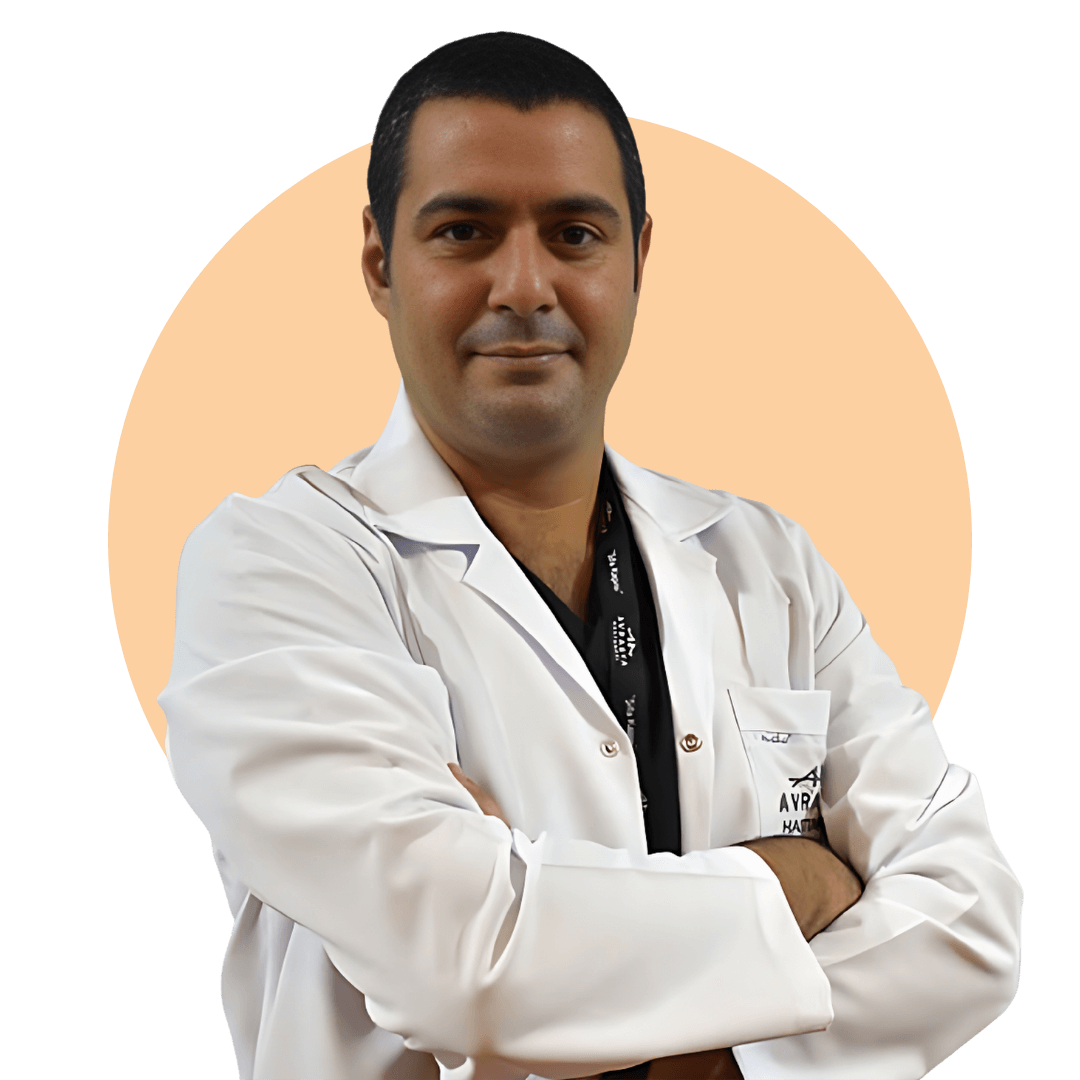
Dr. Akin Ünal
General Surgeon
BIOGRAPHY
He was born in Istanbul in 1982. He graduated from Kocaeli University, Faculty of Medicine. In 2012, he worked as an emergency medical assistant at Taksim First Aid EAH.
Between 2013-2018, he specialized in general surgery at Haseki EAH. Then, between 2018-2020, he completed his compulsory service at Bitlis Tatvan State Hospital. Since 2020, with Dr. Hasan Lice, they have worked with the Sava team for bariatric surgeries. He is married and has two kids.

Dr. Hasan Lice
General Surgeon
BIOGRAPHY
He was born in 1967 in Istanbul. He completed primary, secondary, and high school in Istanbul. He graduated from Capa Medical Faculty in 1993.He worked as an assistant at Taksim Training and Research Hospital between 1994-1998. Between 1998 and 2012, he served on diagnosis and therapeutic solutions in General Surgery, Cancer Surgery, Laparoscopy Surgery, and Endoscopy in the 2nd Surgery Clinic at Haseki Training and Research Hospital. He is married and has 2 children. He speaks Turkish and English.
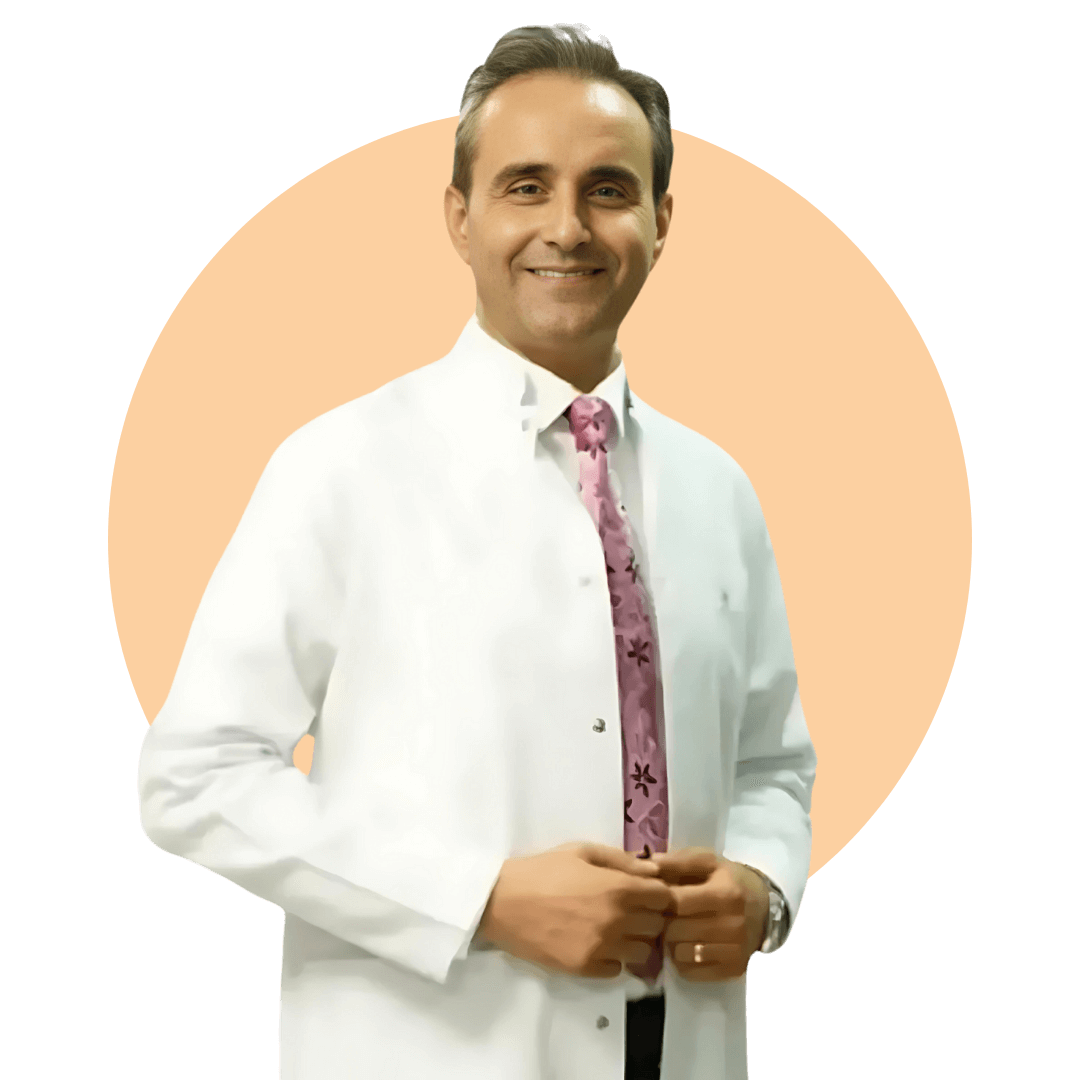
Prof.Dr. Hanifi Onalan
General Surgeon Assoc.
BIOGRAPHY
Education ;1992-1998 Istanbul University Faculty of Medicine1999-2004 Taksim Training and Research Hospital General Surgery Clinic Medical fields;Obesity treatment (Gastric balloon, Gastric Sleeve, Gastric Bypass, Gastric Botox)Gallbladder and bile duct surgeryBreast diseases and Breast surgeryAnal system diseases and surgery (haemorrhoids, anal fissure, perianal abscess and fistula surgery)Thyroid diseases and surgical treatmentHernia surgery (open and laparoscopic) (groin, umbilical, wound hernias)Colon, rectum, stomach diseases and surgical treatmentEndoscopic diagnosis and treatment interventions (gastroscopy, colonoscopy, ERCP, peg)Memberships;Turkish Surgery AssociationNational Association of Trauma and Emergency SurgeryTurkish Medical AssociationTOSS ( Turkish Bariatric Surgery Association )IFSO (International Federation for the Surgery of obesity and Metabolic disorders )Publications ;Can Postoperative Adhesions Be Prevented? The Effect of COX-2 Selective Inhibitor Rofecoxib on Intraabdominal Adhesion Model Experimental Study 19(4):145-149, 2005 Journal of Contemporary Surgery 2005 Osman YÜCEL, Yücel YANKOL, Ferda NİHAT KOKSOY, Hanifi ÖNALAN, Pelin AKBABA, Ayşenur AKYILDIZ İĞDEM Research Hospital 2nd General Surgery Clinic* and Pathology Laboratory**, IstanbulTractotomy and omentoplasty in a case of hepatic gunshot wounds A regional trauma and emergency surgery congress (international participation) 2001 A.Çelik, H. Önalan, N. Mecit, M.Er, O. YücelParenteral nutrition in patients undergoing resection for gis malignancies, early results National Surgery Congress 2002 Dr Demiray, Dr D.Gönüllü, Dr.H. Önalan, Dr S.Bilgiç, Dr F.N.Köksoy, Dr O.Yücel

Mehmet Köksal
Aesthetic Surgeon
BIOGRAPHY
He was born in Samsun in 1978. After graduating from Faculty of Medicine (Çapa Medicine) of the Istanbul University in 2003, he completed his 6-year residency training at Şişli, Etfal Training and Research Hospital Plastic Surgery Clinic and became a Plastic Reconstructive and Aesthetic Surgery Specialist.In 2008, he received training from world-renowned surgeons at the University of Plastic Surgery Clinic in the New York, United States and participated the surgeries together with the doctors from New York.He attended courses and congresses about topics such as Breast Aesthetics, Abdominal Aesthetics, Liposuction, Buttock Aesthetics, Rhinoplasty, Facial rejuvenation, Botox and Fillers.Between 2010 and 2012, he worked at the Plastic Surgery Clinic of Ahi Evran University Kırşehir State Hospital. Kırşehir has carried out many surgeries and innovations that could not be done before in its history.It constantly improves itself by participating in congresses and meetings at homecountry and abroad every year.Op.Dr.Mehmet Köksal still works in a Private Clinic in Istanbul.He is a member of Turkish Medical Association, Turkish Plastic Reconstructive and Aesthetic Surgery Association and Aesthetic Plastic Surgery Association.
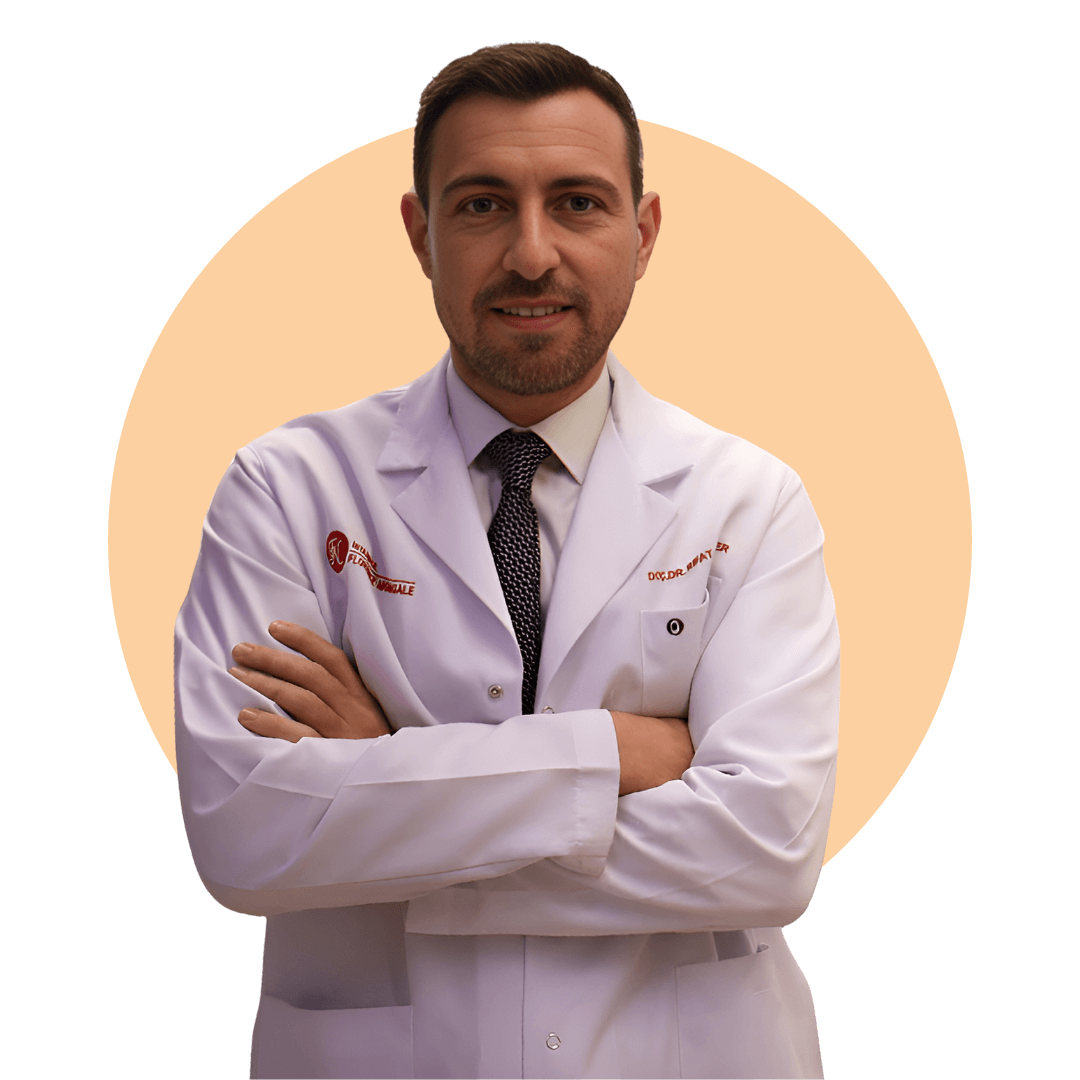
Prof. Dr. Rıfat Rasier
MD
BIOGRAPHY
During his medical education and specialization in ophthalmology, he attended Louisiana State University School of Medicine in the United States, Stadtisches Klinikum Kemperhof in Koblenz, Germany, and The Western Eye Hospital, Imperial College in England. In 2007, he received medical equivalence from the General Medical Council of England and became a fully registered doctor in England.
In addition to his ophthalmology education, he completed a master's program in Biomedical Engineering at Boğaziçi University in 2009.
Continuing his career development without slowing down, Rasier completed his specialization in Ophthalmology at Bilim University in 2010.
He fulfilled his mandatory service at Kırklareli State Hospital in 2012.
He attained the title of "Associate Professor" in the Department of Ophthalmology in 2016. He completed his PhD in Biomedical Engineering at Boğaziçi University with a 4.0 GPA in 2017.
As a result of his work at the Biomedical Engineering Laboratory of Boğaziçi University, Rıfat Rasier developed a procedure for laser-welding incisions in the transparent layer of the eye during cataract surgery, thereby closing the incision without the need for sutures. Current cataract surgeries either leave incisions open or suture them. Laser tissue welding experiments yielded positive results in closing incisions without stitches, reducing infection risks and shortening operation times.
This work by Rıfat Rasier was published in an international book titled "Infrared Lasers for Corneal Tissue Welding."
Awards Received:
Best Publication Award, Turkish Journal of Ophthalmology, 2010: "Corneal Tissue Welding with Infrared Lasers of Different Wavelengths in Transparent Corneal Sections."
Best Publication Award, Turkish Journal of Ophthalmology, 2011: "VEGF and IL-8 Levels in Vitreous Fluid in Proliferative Vitreoretinopathy Resulting from Rhegmatogenous Retinal Detachment."
JCI Ten Outstanding Young Persons of Turkey Award, First Prize in Medical and Medical Inventions, 2010.
Ministry of Industry, Teknogirişim Project Support, 2010.
Prof. Dr. Necati Tanyolaç Award for Projects and Research in Biomedical Engineering and Technologies during Master's or Doctorate Studies, 2017.
Second Prize for Best Scientific Poster, Turkish Ophthalmology Association National Congress, 2017. Academic Publications:
A. Number of articles published in international refereed journals: 22
B. Number of papers presented at international scientific meetings and published in proceedings: 10
C. Number of articles published in national refereed journals: 25
D. Number of papers presented at national scientific meetings and published in proceedings: 91
He fulfilled his mandatory service at Kırklareli State Hospital in 2012.
He attained the title of "Associate Professor" in the Department of Ophthalmology in 2016. He completed his PhD in Biomedical Engineering at Boğaziçi University with a 4.0 GPA in 2017.
As a result of his work at the Biomedical Engineering Laboratory of Boğaziçi University, Rıfat Rasier developed a procedure for laser-welding incisions in the transparent layer of the eye during cataract surgery, thereby closing the incision without the need for sutures. Current cataract surgeries either leave incisions open or suture them. Laser tissue welding experiments yielded positive results in closing incisions without stitches, reducing infection risks and shortening operation times.
This work by Rıfat Rasier was published in an international book titled "Infrared Lasers for Corneal Tissue Welding."
Awards Received:
Best Publication Award, Turkish Journal of Ophthalmology, 2010: "Corneal Tissue Welding with Infrared Lasers of Different Wavelengths in Transparent Corneal Sections."
Best Publication Award, Turkish Journal of Ophthalmology, 2011: "VEGF and IL-8 Levels in Vitreous Fluid in Proliferative Vitreoretinopathy Resulting from Rhegmatogenous Retinal Detachment."
JCI Ten Outstanding Young Persons of Turkey Award, First Prize in Medical and Medical Inventions, 2010.
Ministry of Industry, Teknogirişim Project Support, 2010.
Prof. Dr. Necati Tanyolaç Award for Projects and Research in Biomedical Engineering and Technologies during Master's or Doctorate Studies, 2017.
Second Prize for Best Scientific Poster, Turkish Ophthalmology Association National Congress, 2017. Academic Publications:
A. Number of articles published in international refereed journals: 22
B. Number of papers presented at international scientific meetings and published in proceedings: 10
C. Number of articles published in national refereed journals: 25
D. Number of papers presented at national scientific meetings and published in proceedings: 91
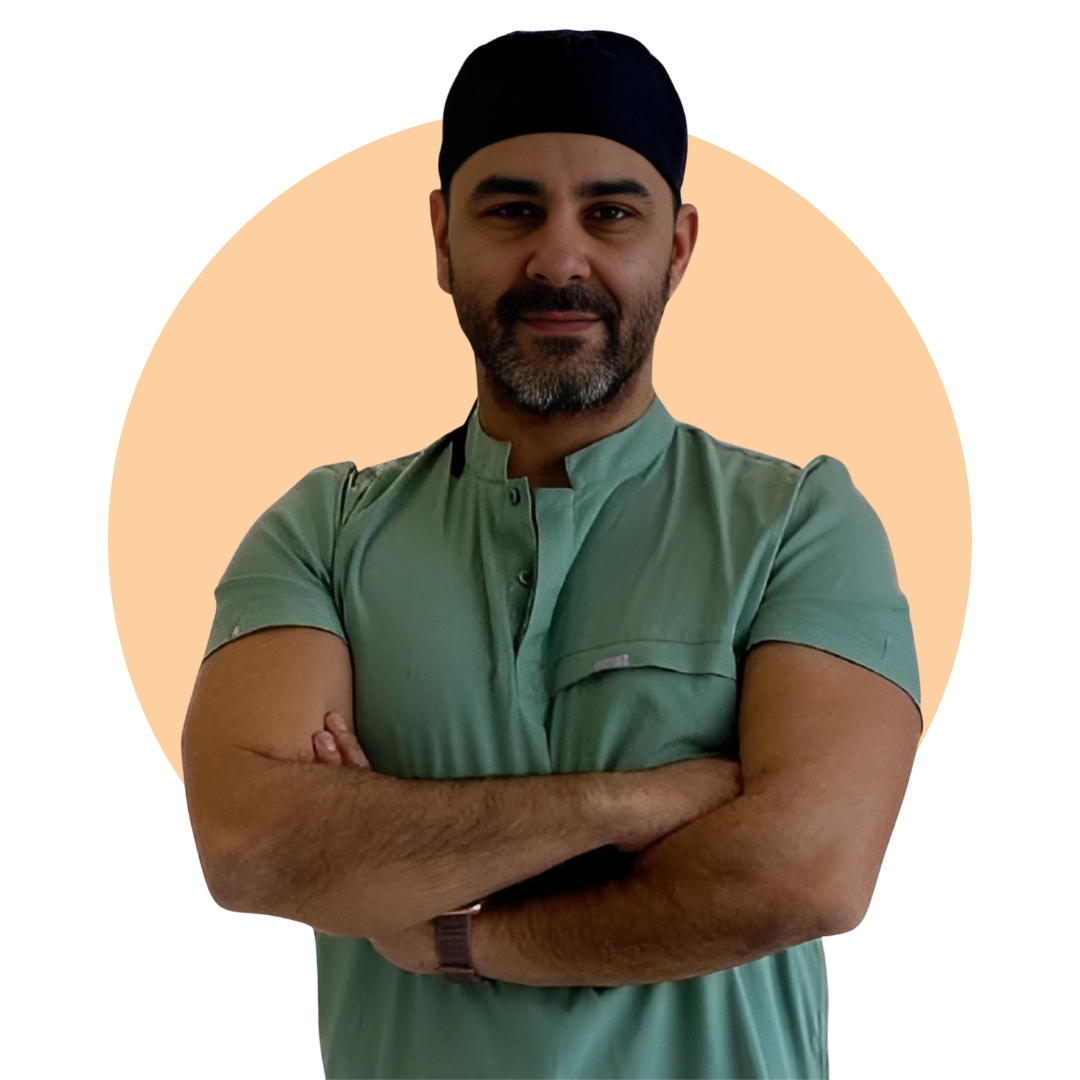
Çağrı Geridönmez
Medical Doctor
BIOGRAPHY
Dr. Cagrı Geridonmez was born in 1982 in Ankara, in the capital ofTurkey and is a graduate of medical faculty of Kirikkale University.In addition to his practice as a Chief Doctor in 2007 he obtained his medical degree and completed special medical program.Since he got his sertificate as a medical aesthetic he has performed more than 3500hair transplant operations in the one of the most well-known clinics ofTurkey.Currently he is managing a qualified medical team and performs hair restoration operations for patients from all countries of the world.Dr. Cagri’s interests also include improvement of hair loss treatment techniques and finding less invasive methods for hair transplant procedures.He participated in many local and international hair restoration surgery seminars and conferences. He received distinguishing certificates and diplomas for his valuable and well performed job.Now he is working on being a member of prominent international hair restoration organizations as İSHRS and ABHRS.In his spare time, Dr. Cagri enjoys to be engaged in sport activities, especially in motocross racing, car rally and Jiu-jitsu. He also enjoys being involved in different medical experiments on alternative medicine like acupuncture and bio resonance.Dr. Cagri’s passion is driven by the bonds he builds with his patients and the enjoyment he holds in providing high class medical service.
Contact us now
‘Take the opportunity to meet one-on-one with our specialised doctors. By contacting us, let’s plan the most suitable health solutions for you together.
Contact
Get support

24/7 Assistant
Our 24/7 support line is always with you to meet your needs and requests. Our expert team is ready to help you in the best way.

Get in touch with us
Reach out to us anytime to discover how our dedicated team can provide comprehensive assistance, address your concerns, and ensure a seamless experience tailored specifically to your unique requirements.

Redefine Your Health and Beauty at Sava Clinic
We exist to research, produce and apply the best solutions for you in the field of medicine and health. Reliability, complete personalization, distinction, teamwork and passionate work permeate the entire team behind Sava Medical Group.

5/5 Google

4.9/5 TrustPilot