



Rhinoplasty
Rhinoplasty is a surgical procedure designed to enhance the shape, size, and function of the nose, whether for aesthetic refinement or to address breathing difficulties. It aims to achieve facial harmony while improving nasal structure.
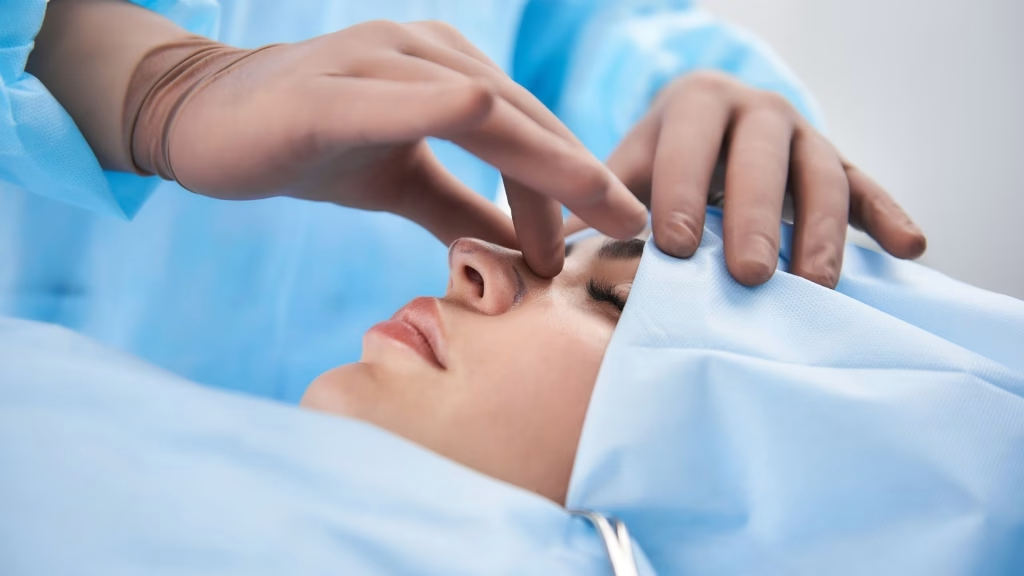
What is rhinoplasty
Rhinoplasty is a surgical procedure designed to reshape and resize the nose for both aesthetic and functional purposes. It can enhance the overall appearance by refining the nasal tip, straightening the bridge, or reducing nostril width. At the same time, it may address structural issues that affect breathing, such as a deviated septum or other internal obstructions. Whether for cosmetic enhancement, medical necessity, or both, rhinoplasty is a highly personalized surgery that aims to restore balance to facial features while improving nasal function.
Rhinoplasty surgery(nose cosmetic surgery)
Rhinoplasty surgery is a specialized surgical procedure aimed at reshaping and resizing the nose for both aesthetic enhancement and functional improvement. It is one of the most commonly performed plastic surgeries, sought after by individuals who wish to achieve facial harmony or resolve breathing difficulties caused by structural abnormalities within the nose.
During the procedure, the plastic surgeon may modify the nasal bone, cartilage, and soft tissues to achieve the desired appearance. This can include refining the nasal tip, narrowing wide nostrils, removing a dorsal hump, correcting asymmetries, or straightening the nasal bridge. In cases where functional concerns are present—such as a deviated septum or collapsed nasal valves—the internal structures can be corrected to improve airflow and restore healthy breathing.
Rhinoplasty can be performed under general or local anesthesia with sedation, depending on the complexity of the operation and the surgeon’s recommendation. It may be done using an open technique, which involves a small incision on the columella (the tissue between the nostrils), or a closed technique, where incisions are made inside the nose—leaving no visible scars.
The recovery process varies from person to person but typically includes initial swelling, bruising around the eyes, and temporary nasal congestion. Most patients can return to daily activities within 1 to 2 weeks, though it may take several months for the final shape of the nose to fully refine as residual swelling gradually subsides.
Rhinoplasty not only offers an opportunity to enhance facial aesthetics and boost self-confidence but also significantly improves quality of life for those suffering from impaired nasal function. It is a procedure that requires careful planning, realistic expectations, and a skilled, experienced surgeon to ensure optimal results tailored to each patient’s unique facial features and needs.
Rhinoplasty who is suitable?
Rhinoplasty candidates are typically individuals who meet specific physical and psychological criteria that contribute to a safe procedure and satisfying results. Ideal candidates often include:
Those who have completed facial growth: Rhinoplasty is best performed once the nose has fully developed, typically around age 18 or older, to ensure lasting results and prevent future structural changes.
Individuals in good overall health: A stable medical condition supports better surgical outcomes and a smoother recovery process.
Non-smokers or those willing to quit: Smoking interferes with blood flow and healing, increasing the risk of complications. For optimal recovery, a smoke-free lifestyle is strongly advised.
People with realistic goals and a positive outlook: Understanding what rhinoplasty can and cannot achieve is essential. Ideal candidates seek improvement, not perfection, and have clear, attainable goals.
Those seeking correction for cosmetic or functional reasons: Whether to refine the nasal shape, balance facial proportions, or address breathing difficulties, candidates should have a clear motivation for undergoing surgery.
By meeting these criteria, patients are more likely to experience a successful rhinoplasty outcome—both in terms of appearance and function—while minimizing surgical risks and promoting a smooth healing process.
What Should I Expect During a Rhinoplasty Consultation?
During your rhinoplasty consultation, clear and comprehensive communication with your surgeon is essential for achieving the best possible outcome. Be prepared to discuss the following key points in detail:
Your Aesthetic and Functional Goals
Clearly express what you hope to achieve through rhinoplasty—whether it’s refining the shape of your nose, improving facial harmony, or addressing functional issues like breathing difficulties. Your goals will guide the surgical approach and help your surgeon understand your vision.
Your Medical History
Disclose any existing health conditions, past illnesses, and known allergies, particularly to medications or anesthesia. This information is critical to assess any risks and ensure a safe surgical plan.
Medications, Supplements, and Lifestyle Habits
Provide a full list of all prescription and non-prescription medications, herbal supplements, and vitamins you take regularly. Also, be honest about your use of tobacco, alcohol, or recreational drugs, as these can impact healing and increase the risk of complications.
History of Previous Surgeries
Inform your surgeon about any prior surgeries—especially those involving the nose, face, or airways. This can influence the complexity of your procedure and the techniques your surgeon may need to use.
Treatment duration
Swelling around the nose and eyes is a normal part of the healing process after rhinoplasty and generally begins to subside within the first two weeks following surgery. However, subtle swelling—especially around the nasal tip—may persist for several months. The final contours of the nose typically become fully visible around the sixth month, once all residual swelling has resolved.
External sutures placed at the tip of the nose are usually removed on the fifth postoperative day. Silicone splints inside the nose, along with external nasal supports, are typically removed within the first week. These timelines may vary slightly depending on the extent of the surgery and your surgeon’s specific approach, but your medical team will guide you through each step to ensure a smooth recovery.
Potential risks & side effects
Rhinoplasty, like any surgical procedure, carries potential risks and complications. While most side effects are temporary and manageable, it’s important to be aware of the following possibilities:
Temporary Numbness: A brief loss of sensation around the nasal area is common and usually resolves on its own during the healing process.
Nosebleeds: Mild bleeding may occur in the early recovery phase but is typically easy to control with proper postoperative care.
Visible Scarring: In open rhinoplasty procedures, small scars may form at the base of the nose. These often fade over time with appropriate care.
Postoperative Swelling: Swelling is expected and gradually diminishes in the weeks following surgery, with final results becoming visible over several months.
Nerve Sensitivity or Damage: Though rare, minor nerve injury can affect sensation or movement in the nose. Most cases improve as healing progresses.
Under- or Overcorrection: Occasionally, the outcome may not fully meet the aesthetic or functional goals, leading to the need for a secondary (revision) rhinoplasty.
A thorough consultation and careful surgical planning can help minimize these risks and optimize your results. Always follow your surgeon’s guidance for the safest recovery experience.
What results should I expect after rhinoplasty?
Rhinoplasty results are generally long-lasting and designed to enhance both the aesthetic and functional aspects of the nose for many years. While noticeable swelling subsides within the first few weeks, the nose continues to refine and settle into its final shape over the course of 6 to 12 months. During this period, subtle improvements may continue to emerge as residual swelling dissipates.
Although the natural aging process may gradually alter facial features over time, the structural improvements achieved through rhinoplasty typically remain stable. Maintaining a healthy lifestyle, avoiding trauma to the nose, and protecting your skin—especially from sun exposure—can help preserve the results and keep your appearance youthful and balanced for the long term.
Types of Nose Jobs
Nose reduction
Nose reduction surgery is a specialized rhinoplasty procedure aimed at reducing the overall size of the nose to achieve better facial harmony and proportion. During the surgery, the surgeon carefully removes or reshapes excess cartilage and bone to refine the nasal structure while preserving functionality and natural appearance. Typically performed under general anesthesia, the procedure is tailored to each patient’s unique facial features and aesthetic goals.
Recovery times may vary depending on the individual and the extent of the reduction, but most patients can expect gradual improvement in swelling and final results to become more apparent over several months. The outcome is a more balanced, proportionate nose that complements the overall facial profile.
Long nose rhinoplasty
Long nose rhinoplasty is a surgical procedure designed to shorten the length of the nose and create better facial harmony. During the operation, the surgeon carefully removes or reshapes excess cartilage and bone to achieve the desired nose length while maintaining natural function and appearance. Typically performed under general anesthesia, the procedure is tailored specifically to each patient’s unique anatomy and aesthetic goals.
Postoperative recovery may involve swelling and bruising, which are temporary and gradually improve over weeks to months. The final shape of the nose becomes more defined as healing progresses. Long nose rhinoplasty aims to deliver a balanced, natural-looking, and aesthetically pleasing nasal profile that complements the overall facial features.
Tip rhinoplasty
Tip rhinoplasty is a focused surgical procedure aimed exclusively at refining the shape and size of the nasal tip. This operation involves precise reshaping of the cartilage at the tip to narrow its width, adjust its contour, elevate its position, or correct asymmetry. Typically performed under local anesthesia or sedation, tip rhinoplasty is less invasive than a full rhinoplasty and generally offers a quicker recovery time.
Postoperative effects such as swelling and bruising are common but usually resolve within a few weeks. By concentrating solely on the nasal tip, this procedure enhances facial harmony and balance without altering the overall nasal structure, delivering a natural, aesthetically pleasing result tailored to the patient’s individual needs.
Nose shapes
Nose shapes vary widely due to genetic factors and ethnic backgrounds. Some of the most common nose types include:
Flat Nose: Characterized by a low, straight nasal bridge with little to no arch, often seen in individuals of Asian and African descent, typically featuring wider nostrils.
Arched Nose: Defined by a prominent, well-defined ridge or arch along the nasal bridge, creating a striking profile.
Button Nose: A small, rounded tip paired with a short nasal structure, giving a soft and delicate appearance.
Hooked Nose: Features a nasal bridge that curves outward with a downward-pointing tip, resembling a hook shape.
Broad Nose: Notably wide across the bridge and nostrils, contributing to a strong, bold facial feature.
Slender Nose: A narrow, elongated nasal bridge with thin nostrils, often associated with a refined look.
Protruding Nose: The nasal tip projects prominently forward, creating a noticeable contour.
Each person’s nose is unique, and through aesthetic procedures like rhinoplasty, these shapes can be modified to achieve a harmonious balance, enhancing both facial symmetry and overall appearance.
Rhinoplasty cost
The cost of rhinoplasty is influenced by the scope and complexity of the surgery. Procedures focused solely on aesthetics may differ in price from those that also address functional improvements, as the latter often require more time and specialized expertise. Additionally, the type of anesthesia used plays a role in the overall cost—general anesthesia typically incurs higher fees compared to local anesthesia.
Post-operative care is another important factor included in the total expense. This encompasses medications, dressings, and follow-up visits essential for a smooth recovery. For detailed information about rhinoplasty pricing and personalized answers to your questions, please don’t hesitate to contact us.
Rhinoplasty frequently asked questions
What is rhinoplasty or nose reshaping?
Rhinoplasty, or nose reshaping, is a surgical procedure to improve the nose’s shape, size, and symmetry for better facial harmony or nasal function. It can involve adjusting the nasal bridge, tip, or nostrils using either closed (internal) or open (external) techniques, depending on the patient’s needs and surgery complexity.
Who is a candidate for rhinoplasty?
Rhinoplasty candidates are usually adults who have completed facial growth, are in good health, and have realistic expectations. They seek to improve the appearance or function of their nose, such as correcting shape, size, or breathing issues. A qualified surgeon evaluates their medical history and goals during consultation to ensure the procedure is safe and suitable.
What happens after rhinoplasty surgery?
After rhinoplasty, patients are monitored as anesthesia wears off and may experience swelling, discomfort, and congestion. Post-op care includes keeping the head elevated and using cold compresses. Follow-ups are scheduled to check healing and remove splints. Swelling and bruising usually improve in weeks, and patients should avoid strenuous activities as advised. Final results appear gradually over several months as swelling fully subsides.
What are the risks and limitations of rhinoplasty?
A major challenge in rhinoplasty is thick skin, which limits how much the nose shape can be changed, especially when reducing size. Risks include infection, bleeding, numbness, swelling, nasal collapse, scarring, deformities, and septum perforations. It’s important to discuss these risks thoroughly with a qualified surgeon before surgery.
How is rhinoplasty different from septoplasty?
Rhinoplasty improves the nose’s appearance by reshaping bones and cartilage for better symmetry, size, and contour. It addresses cosmetic concerns like asymmetry, nasal tip, bridge, or nostril size. Septoplasty focuses on fixing functional problems by straightening the nasal septum to improve airflow and relieve breathing difficulties.
Is rhinoplasty a simple operation?
Rhinoplasty is a complex surgery that requires skilled techniques to reshape the nose for both aesthetic and functional results. Its difficulty varies depending on the patient’s anatomy and the corrections needed. Choosing an experienced surgeon and careful pre-surgery planning are essential to minimize risks and ensure the best outcome.
Will I need to stay in the hospital?
Rhinoplasty is usually done as an outpatient procedure, allowing you to go home the same day after a short recovery period. If complications arise or closer monitoring is needed, a brief hospital stay may be recommended.
Is rhinoplasty painful?
Rhinoplasty may cause soreness, swelling, and congestion initially, but pain levels vary. Discomfort is usually manageable with prescribed medication and cold compresses, decreasing as healing progresses. Following your surgeon’s care instructions helps minimize pain and support recovery.

Rhinoplasty Turkey Cost
Country
Turkiye
Professional Doctors
Pre- and post-treatment care
Reasonable price
24/7 Support
$
2.500
Save
Country
Mexico
Professional Doctors
Pre- and post-treatment care
Reasonable price
24/7 Support
$
3.500
Country
Singapore
Professional Doctors
Pre- and post-treatment care
Reasonable price
24/7 Support
$
8.000
Country
Hungary
Professional Doctors
Pre- and post-treatment care
Reasonable price
24/7 Support
$
2.800
Country
USA
Professional Doctors
Pre- and post-treatment care
Reasonable price
24/7 Support
$
5.500
Doctors
Get ready to meet our physician staff, each of whom is an expert in their own branch and stands out with years of experience and success. Our physicians, who adopt the best practices of modern medicine, to whom you can safely entrust your health, are here to offer special solutions for your individual needs.
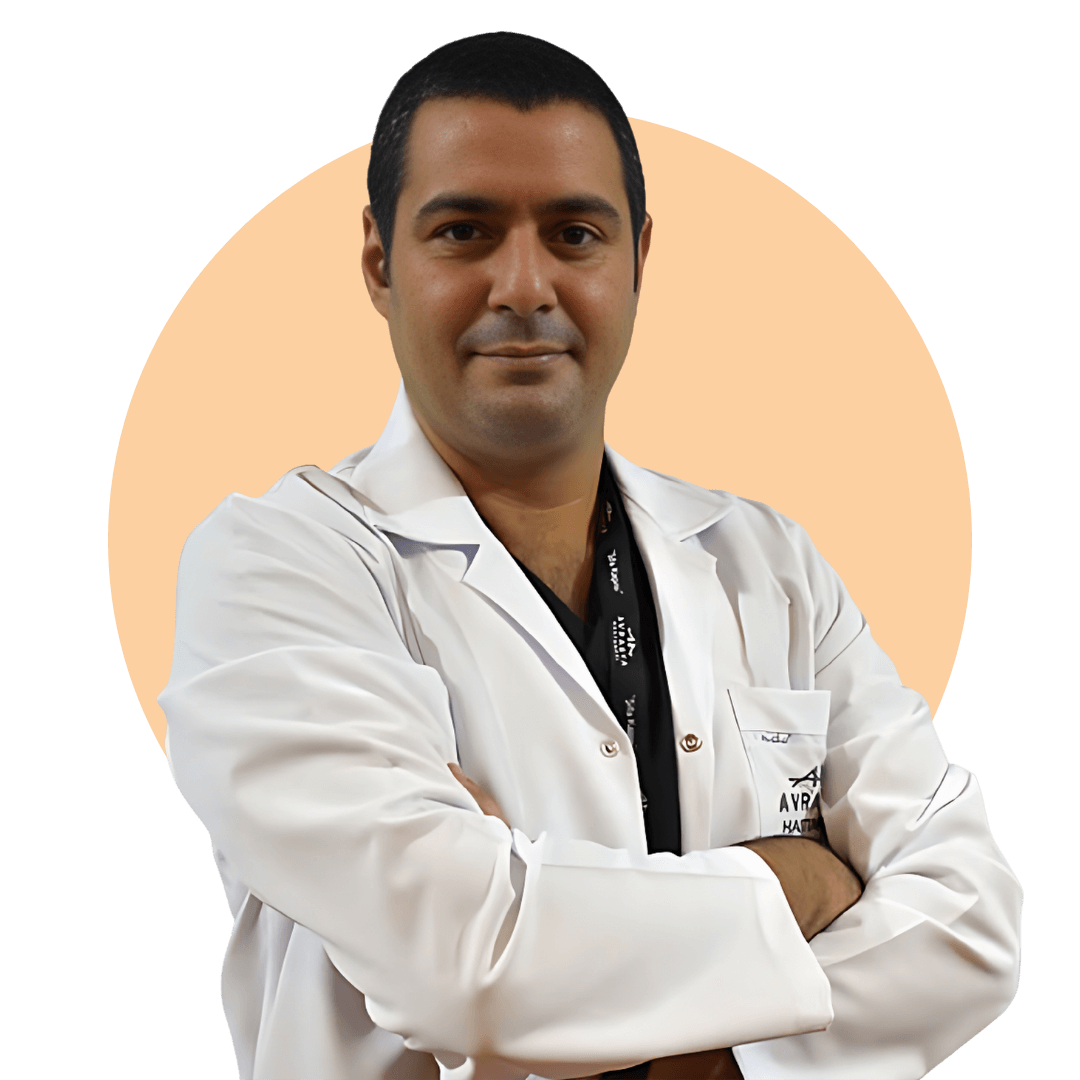
Dr. Akin Ünal
General Surgeon
BIOGRAPHY
He was born in Istanbul in 1982. He graduated from Kocaeli University, Faculty of Medicine. In 2012, he worked as an emergency medical assistant at Taksim First Aid EAH.
Between 2013-2018, he specialized in general surgery at Haseki EAH. Then, between 2018-2020, he completed his compulsory service at Bitlis Tatvan State Hospital. Since 2020, with Dr. Hasan Lice, they have worked with the Sava team for bariatric surgeries. He is married and has two kids.
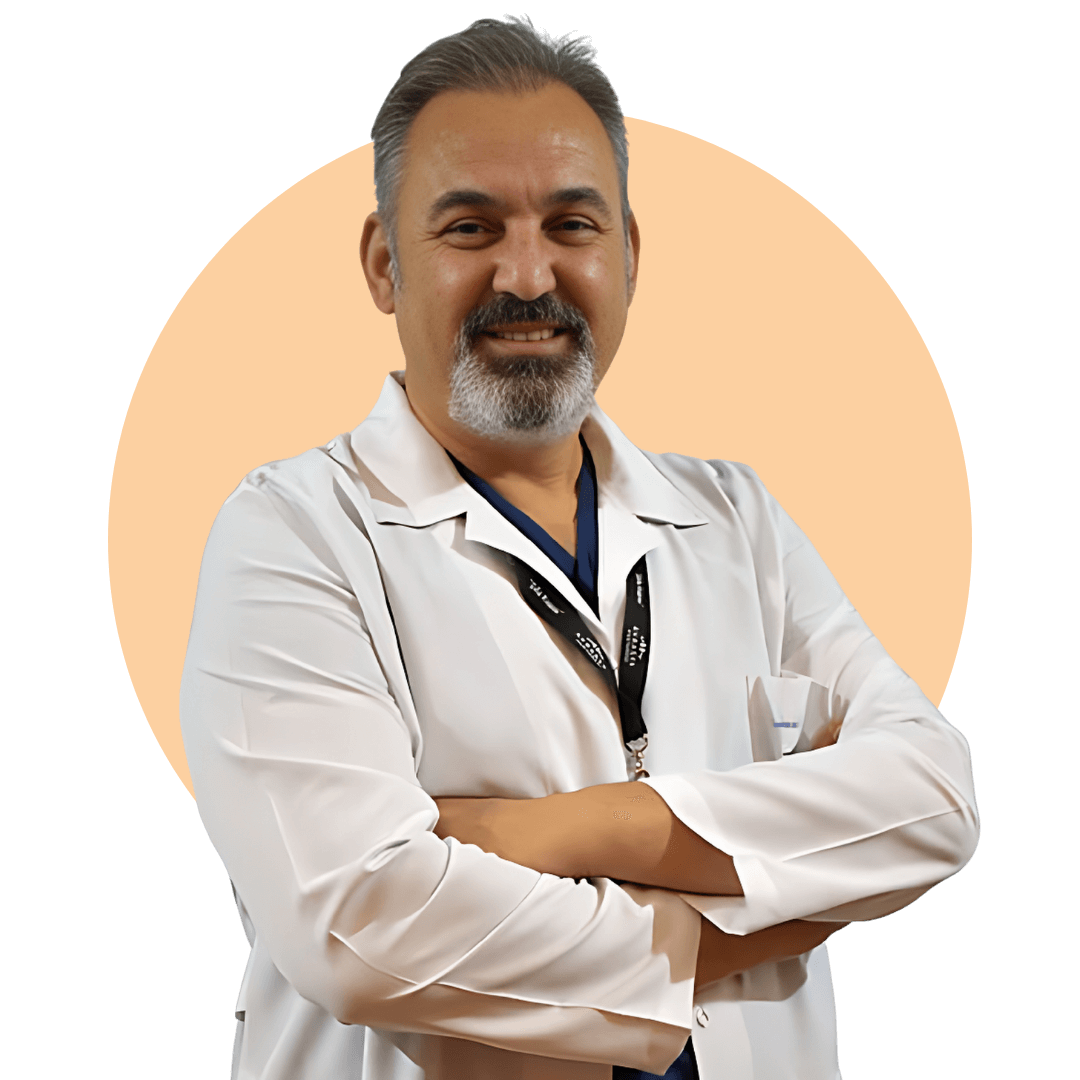
Dr. Hasan Lice
General Surgeon
BIOGRAPHY
He was born in 1967 in Istanbul. He completed primary, secondary, and high school in Istanbul. He graduated from Capa Medical Faculty in 1993.He worked as an assistant at Taksim Training and Research Hospital between 1994-1998. Between 1998 and 2012, he served on diagnosis and therapeutic solutions in General Surgery, Cancer Surgery, Laparoscopy Surgery, and Endoscopy in the 2nd Surgery Clinic at Haseki Training and Research Hospital. He is married and has 2 children. He speaks Turkish and English.
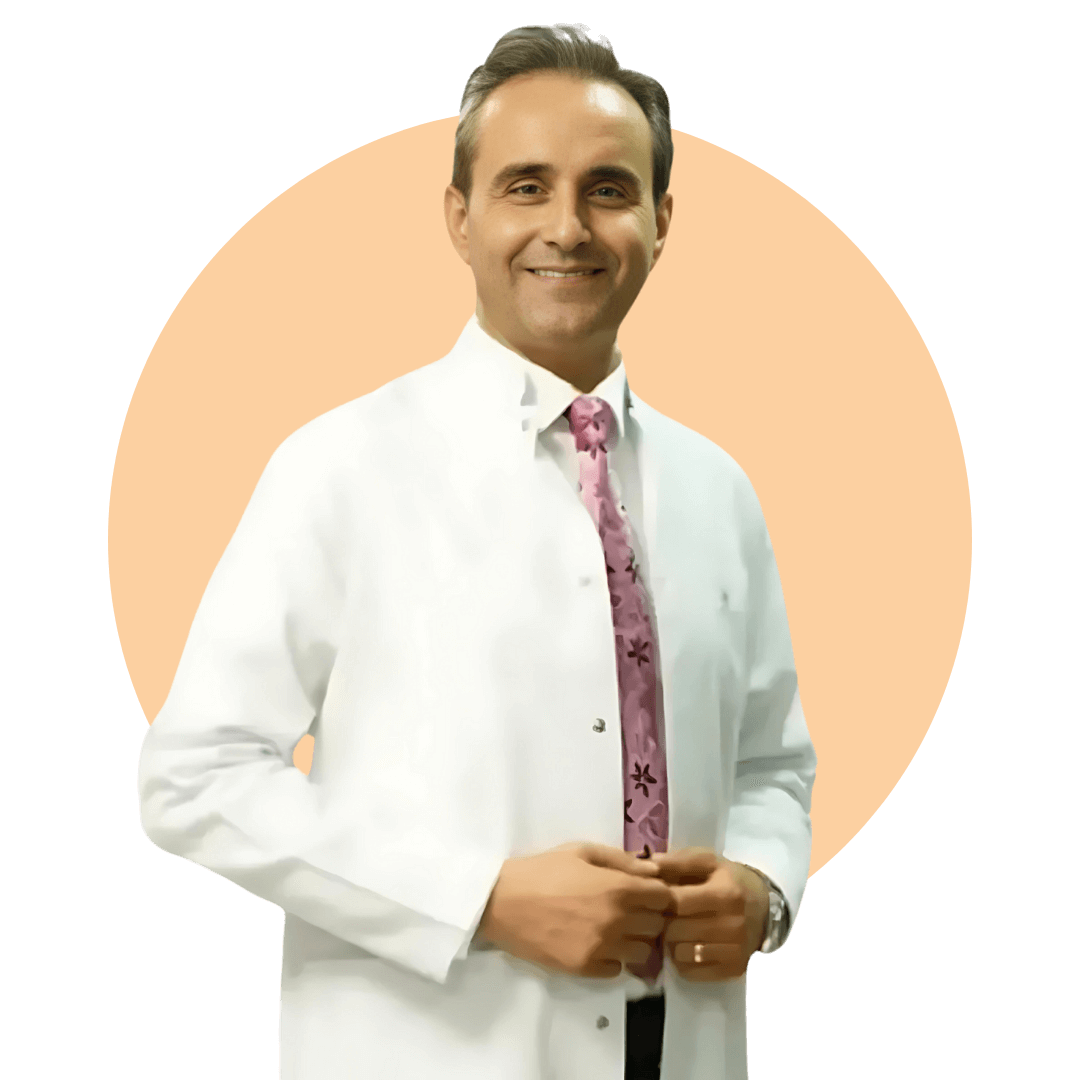
Prof.Dr. Hanifi Onalan
General Surgeon Assoc.
BIOGRAPHY
Education ;1992-1998 Istanbul University Faculty of Medicine1999-2004 Taksim Training and Research Hospital General Surgery Clinic Medical fields;Obesity treatment (Gastric balloon, Gastric Sleeve, Gastric Bypass, Gastric Botox)Gallbladder and bile duct surgeryBreast diseases and Breast surgeryAnal system diseases and surgery (haemorrhoids, anal fissure, perianal abscess and fistula surgery)Thyroid diseases and surgical treatmentHernia surgery (open and laparoscopic) (groin, umbilical, wound hernias)Colon, rectum, stomach diseases and surgical treatmentEndoscopic diagnosis and treatment interventions (gastroscopy, colonoscopy, ERCP, peg)Memberships;Turkish Surgery AssociationNational Association of Trauma and Emergency SurgeryTurkish Medical AssociationTOSS ( Turkish Bariatric Surgery Association )IFSO (International Federation for the Surgery of obesity and Metabolic disorders )Publications ;Can Postoperative Adhesions Be Prevented? The Effect of COX-2 Selective Inhibitor Rofecoxib on Intraabdominal Adhesion Model Experimental Study 19(4):145-149, 2005 Journal of Contemporary Surgery 2005 Osman YÜCEL, Yücel YANKOL, Ferda NİHAT KOKSOY, Hanifi ÖNALAN, Pelin AKBABA, Ayşenur AKYILDIZ İĞDEM Research Hospital 2nd General Surgery Clinic* and Pathology Laboratory**, IstanbulTractotomy and omentoplasty in a case of hepatic gunshot wounds A regional trauma and emergency surgery congress (international participation) 2001 A.Çelik, H. Önalan, N. Mecit, M.Er, O. YücelParenteral nutrition in patients undergoing resection for gis malignancies, early results National Surgery Congress 2002 Dr Demiray, Dr D.Gönüllü, Dr.H. Önalan, Dr S.Bilgiç, Dr F.N.Köksoy, Dr O.Yücel

Mehmet Köksal
Aesthetic Surgeon
BIOGRAPHY
He was born in Samsun in 1978. After graduating from Faculty of Medicine (Çapa Medicine) of the Istanbul University in 2003, he completed his 6-year residency training at Şişli, Etfal Training and Research Hospital Plastic Surgery Clinic and became a Plastic Reconstructive and Aesthetic Surgery Specialist.In 2008, he received training from world-renowned surgeons at the University of Plastic Surgery Clinic in the New York, United States and participated the surgeries together with the doctors from New York.He attended courses and congresses about topics such as Breast Aesthetics, Abdominal Aesthetics, Liposuction, Buttock Aesthetics, Rhinoplasty, Facial rejuvenation, Botox and Fillers.Between 2010 and 2012, he worked at the Plastic Surgery Clinic of Ahi Evran University Kırşehir State Hospital. Kırşehir has carried out many surgeries and innovations that could not be done before in its history.It constantly improves itself by participating in congresses and meetings at homecountry and abroad every year.Op.Dr.Mehmet Köksal still works in a Private Clinic in Istanbul.He is a member of Turkish Medical Association, Turkish Plastic Reconstructive and Aesthetic Surgery Association and Aesthetic Plastic Surgery Association.
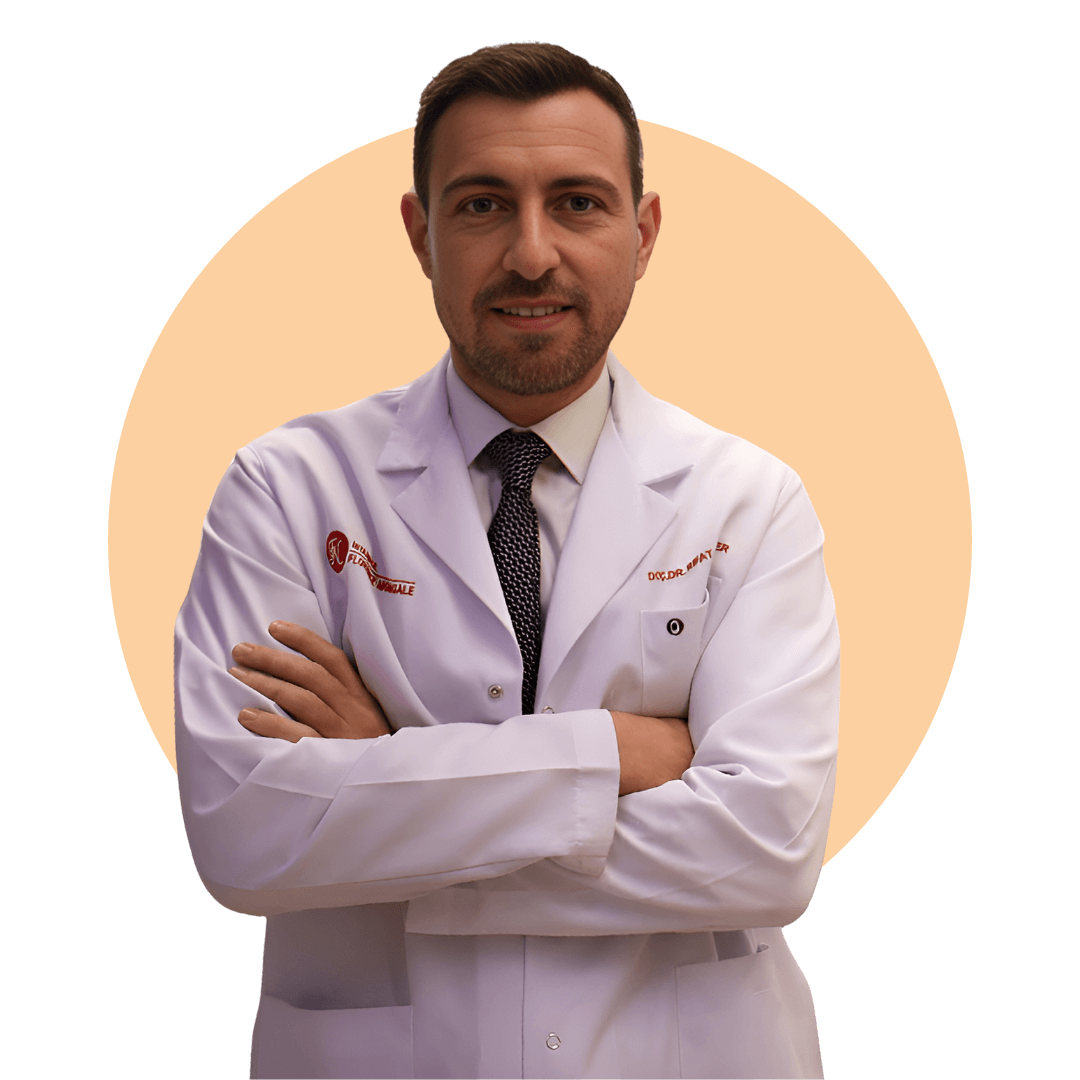
Prof. Dr. Rıfat Rasier
MD
BIOGRAPHY
During his medical education and specialization in ophthalmology, he attended Louisiana State University School of Medicine in the United States, Stadtisches Klinikum Kemperhof in Koblenz, Germany, and The Western Eye Hospital, Imperial College in England. In 2007, he received medical equivalence from the General Medical Council of England and became a fully registered doctor in England.
In addition to his ophthalmology education, he completed a master's program in Biomedical Engineering at Boğaziçi University in 2009.
Continuing his career development without slowing down, Rasier completed his specialization in Ophthalmology at Bilim University in 2010.
He fulfilled his mandatory service at Kırklareli State Hospital in 2012.
He attained the title of "Associate Professor" in the Department of Ophthalmology in 2016. He completed his PhD in Biomedical Engineering at Boğaziçi University with a 4.0 GPA in 2017.
As a result of his work at the Biomedical Engineering Laboratory of Boğaziçi University, Rıfat Rasier developed a procedure for laser-welding incisions in the transparent layer of the eye during cataract surgery, thereby closing the incision without the need for sutures. Current cataract surgeries either leave incisions open or suture them. Laser tissue welding experiments yielded positive results in closing incisions without stitches, reducing infection risks and shortening operation times.
This work by Rıfat Rasier was published in an international book titled "Infrared Lasers for Corneal Tissue Welding."
Awards Received:
Best Publication Award, Turkish Journal of Ophthalmology, 2010: "Corneal Tissue Welding with Infrared Lasers of Different Wavelengths in Transparent Corneal Sections."
Best Publication Award, Turkish Journal of Ophthalmology, 2011: "VEGF and IL-8 Levels in Vitreous Fluid in Proliferative Vitreoretinopathy Resulting from Rhegmatogenous Retinal Detachment."
JCI Ten Outstanding Young Persons of Turkey Award, First Prize in Medical and Medical Inventions, 2010.
Ministry of Industry, Teknogirişim Project Support, 2010.
Prof. Dr. Necati Tanyolaç Award for Projects and Research in Biomedical Engineering and Technologies during Master's or Doctorate Studies, 2017.
Second Prize for Best Scientific Poster, Turkish Ophthalmology Association National Congress, 2017. Academic Publications:
A. Number of articles published in international refereed journals: 22
B. Number of papers presented at international scientific meetings and published in proceedings: 10
C. Number of articles published in national refereed journals: 25
D. Number of papers presented at national scientific meetings and published in proceedings: 91
He fulfilled his mandatory service at Kırklareli State Hospital in 2012.
He attained the title of "Associate Professor" in the Department of Ophthalmology in 2016. He completed his PhD in Biomedical Engineering at Boğaziçi University with a 4.0 GPA in 2017.
As a result of his work at the Biomedical Engineering Laboratory of Boğaziçi University, Rıfat Rasier developed a procedure for laser-welding incisions in the transparent layer of the eye during cataract surgery, thereby closing the incision without the need for sutures. Current cataract surgeries either leave incisions open or suture them. Laser tissue welding experiments yielded positive results in closing incisions without stitches, reducing infection risks and shortening operation times.
This work by Rıfat Rasier was published in an international book titled "Infrared Lasers for Corneal Tissue Welding."
Awards Received:
Best Publication Award, Turkish Journal of Ophthalmology, 2010: "Corneal Tissue Welding with Infrared Lasers of Different Wavelengths in Transparent Corneal Sections."
Best Publication Award, Turkish Journal of Ophthalmology, 2011: "VEGF and IL-8 Levels in Vitreous Fluid in Proliferative Vitreoretinopathy Resulting from Rhegmatogenous Retinal Detachment."
JCI Ten Outstanding Young Persons of Turkey Award, First Prize in Medical and Medical Inventions, 2010.
Ministry of Industry, Teknogirişim Project Support, 2010.
Prof. Dr. Necati Tanyolaç Award for Projects and Research in Biomedical Engineering and Technologies during Master's or Doctorate Studies, 2017.
Second Prize for Best Scientific Poster, Turkish Ophthalmology Association National Congress, 2017. Academic Publications:
A. Number of articles published in international refereed journals: 22
B. Number of papers presented at international scientific meetings and published in proceedings: 10
C. Number of articles published in national refereed journals: 25
D. Number of papers presented at national scientific meetings and published in proceedings: 91
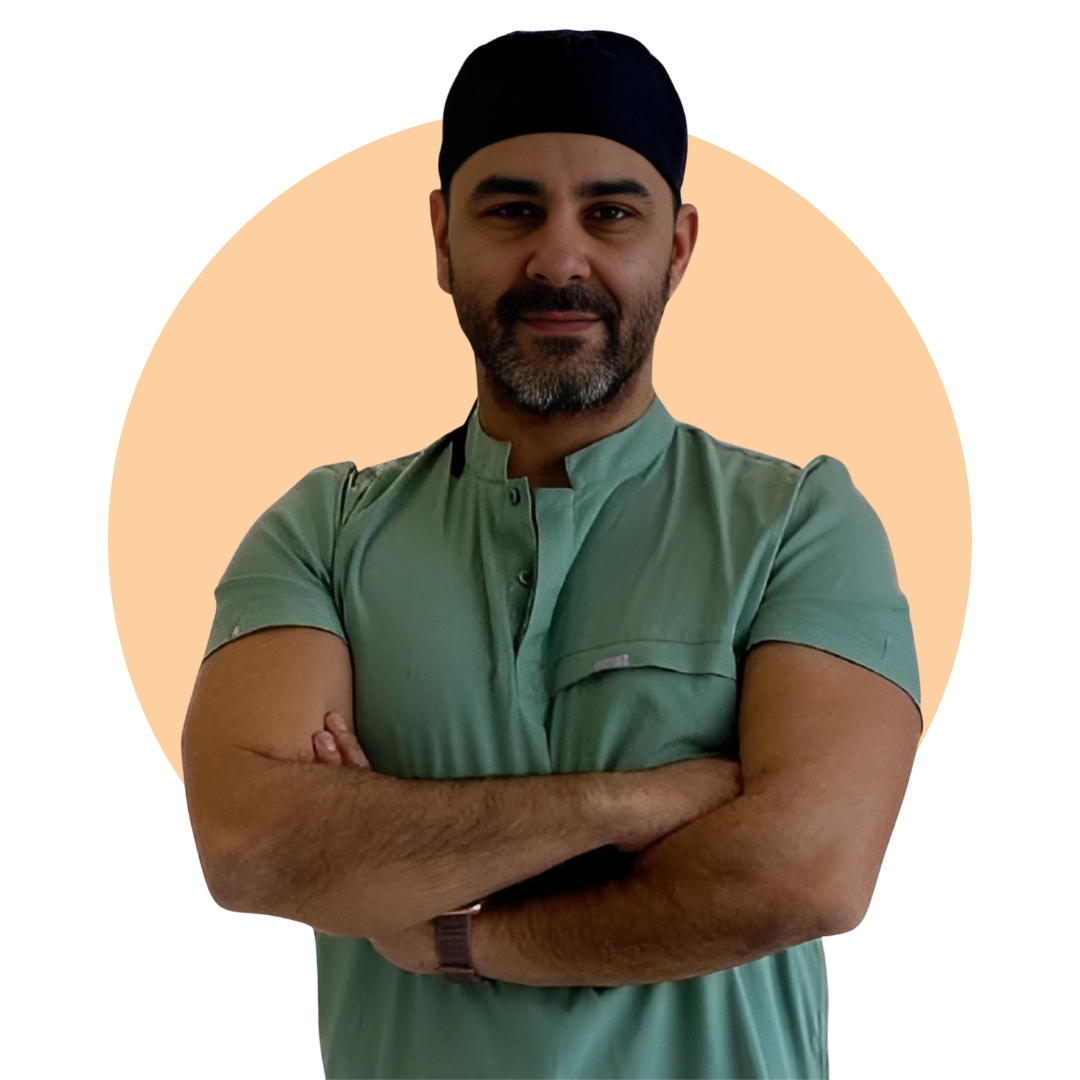
Çağrı Geridönmez
Medical Doctor
BIOGRAPHY
Dr. Cagrı Geridonmez was born in 1982 in Ankara, in the capital ofTurkey and is a graduate of medical faculty of Kirikkale University.In addition to his practice as a Chief Doctor in 2007 he obtained his medical degree and completed special medical program.Since he got his sertificate as a medical aesthetic he has performed more than 3500hair transplant operations in the one of the most well-known clinics ofTurkey.Currently he is managing a qualified medical team and performs hair restoration operations for patients from all countries of the world.Dr. Cagri’s interests also include improvement of hair loss treatment techniques and finding less invasive methods for hair transplant procedures.He participated in many local and international hair restoration surgery seminars and conferences. He received distinguishing certificates and diplomas for his valuable and well performed job.Now he is working on being a member of prominent international hair restoration organizations as İSHRS and ABHRS.In his spare time, Dr. Cagri enjoys to be engaged in sport activities, especially in motocross racing, car rally and Jiu-jitsu. He also enjoys being involved in different medical experiments on alternative medicine like acupuncture and bio resonance.Dr. Cagri’s passion is driven by the bonds he builds with his patients and the enjoyment he holds in providing high class medical service.
Contact us now
‘Take the opportunity to meet one-on-one with our specialised doctors. By contacting us, let’s plan the most suitable health solutions for you together.
Contact
Get support

24/7 Assistant
Our 24/7 support line is always with you to meet your needs and requests. Our expert team is ready to help you in the best way.

Get in touch with us
Reach out to us anytime to discover how our dedicated team can provide comprehensive assistance, address your concerns, and ensure a seamless experience tailored specifically to your unique requirements.

Redefine Your Health and Beauty at Sava Clinic
We exist to research, produce and apply the best solutions for you in the field of medicine and health. Reliability, complete personalization, distinction, teamwork and passionate work permeate the entire team behind Sava Medical Group.

5/5 Google

4.9/5 TrustPilot